Connect with us

Lifestyle

Why Renting a Private Home Near an Active Volcano Is Safer Than You Think

Published

on

Why Renting a Private Home Near an Active Volcano Is Safer Than You Think
When my partner first suggested staying near an active volcano for our anniversary, I laughed.

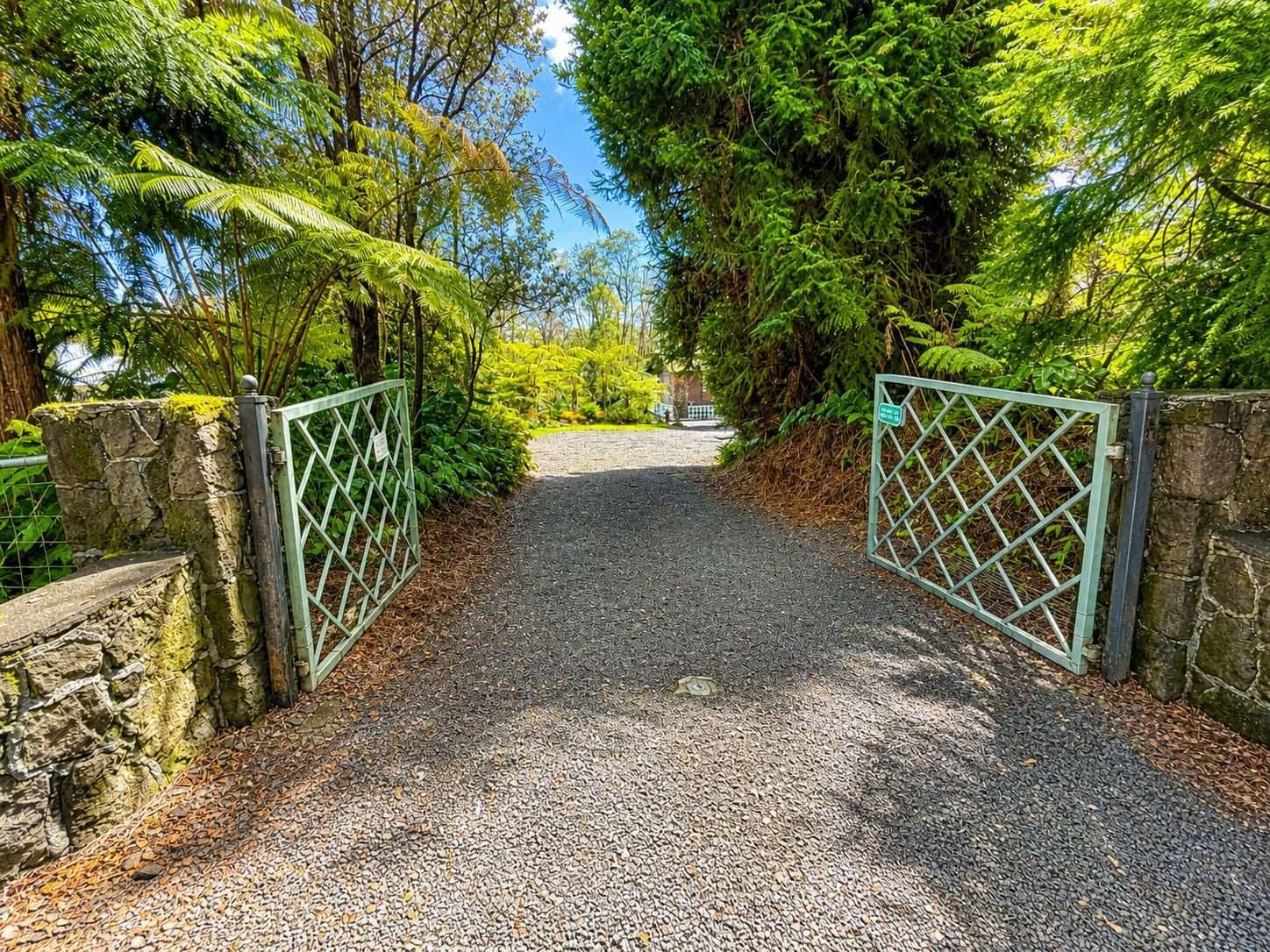
Then she showed me the photos. Lush rainforest gardens. A private hot tub on a covered lanai. Cedar walls and a wood-burning stove for cool mountain evenings. A driveway gate that closes behind you and a forest that takes over from there.

I stopped laughing and started packing.

That trip to Volcano Village, Hawaii changed how both of us think about what a romantic getaway actually means. Not a resort. Not a hotel with a spa attached. A private home in one of the most atmospheric places in the Pacific, with an active volcano twenty minutes from the front door.

Here is what we learned about the safety question, and why it is much less complicated than most couples assume.

The Volcano Is Monitored More Closely Than Any Other on Earth

Kīlauea is not an unpredictable geological event. It is one of the most studied, tracked, and monitored volcanoes on the planet. The United States Geological Survey maintains a dedicated Hawaiian Volcano Observatory that publishes real-time data on eruption activity, gas emissions, and crater changes every single day. When conditions shift, the National Park Service responds immediately, closing specific areas, adjusting access, and communicating clearly with visitors.

This is the system working exactly as it should. The park has been managing visitor safety around active volcanic activity for decades. The protocols are well established and the track record is strong.

Volcano Village itself sits outside the national park boundary, at a comfortable elevation and distance from any areas that would be affected by typical volcanic activity. People live there full time. Families, artists, café owners, farmers. It is a real residential community, not a temporary settlement in a danger zone.

What the 2018 Eruption Actually Showed Us

Couples researching Volcano Village often come across the 2018 lower Puna eruption and understandably want to understand what happened. It was a significant volcanic event that caused genuine disruption and property loss in specific areas of the Puna district, well to the east of Volcano Village.

What that event demonstrated, more than anything else, was how well the monitoring and evacuation systems performed. Advance warning was issued early. Residents in affected areas had time to leave safely. Volcano Village itself was not impacted. The mechanisms that exist to track and respond to volcanic activity on the Big Island are mature, properly funded, and have a consistent record of protecting people.

The 2018 eruption was the kind of event that made cautious travelers nervous and informed travelers more confident in the systems that kept everyone safe.

The Atmosphere Is the Whole Point

Here is what nobody warns you about.

Volcano Village is genuinely one of the most romantic places in Hawaii. Not in the curated resort sense. In the actual, raw, difficult-to-manufacture sense.

The village sits at 3,800 feet in a Hawaiian rainforest. The air is cool and damp in a way that no beach destination in the state replicates. The nights are dark enough that the stars are properly visible. The sounds at 11 p.m. are birds, wind, rain on a metal roof, and nothing else.

Staying in a private rainforest rental home for couples amplifies all of this. At Aloha Hale on Haunani Street in Volcano Village, the property is entirely yours. Three bedrooms, a wood-burning stove, a covered lanai, and a private hot tub facing the garden. No other guests, no shared lobby, no resort schedule running in the background. The gate closes and the forest takes over.

We spent one evening in the hot tub with the rain falling in the garden outside the lanai roof and a glass of wine each and absolutely nowhere to be. It is one of the most genuinely romantic evenings either of us can remember from any trip we have taken anywhere. The volcano had nothing to do with it and everything to do with it at the same time.

Practical Safety Notes Worth Knowing

Air quality is the most relevant consideration for most visitors. Vog, the volcanic smog produced by sulfur dioxide emissions from Kīlauea, occasionally affects the area depending on wind direction and activity levels. On most days it is not noticeable. On others, there is a faint sulfur smell in the air near the crater that some people find mild and others find strong. If either of you has asthma or significant respiratory sensitivity, it is worth checking the Hawaii Department of Health’s air quality monitoring before your visit.

Inside the park, stay on marked trails and respect all posted closures. The terrain near crater edges and steam vents is genuinely hazardous in ways the signage makes clear. This is not a place where ignoring posted barriers is a good idea.

Pack layers. The temperature difference between Volcano Village and the Kona coast on the same afternoon can be fifteen degrees or more. Cool evenings, misty mornings, and the occasional proper chill are part of what makes the place feel the way it does. For a couples trip, that means evenings by the wood stove and mornings with coffee on the lanai watching the mist move through the garden. It sounds like a cliché until you are actually in it.

Why Couples Keep Coming Back

The couples who stay in Volcano Village and discover it tend to come back. Not every year, but often enough that the village has a quiet regularity of returning visitors who discovered something here that proved difficult to find elsewhere.

It is not the volcano specifically, though the crater at dawn before the tour buses arrive is extraordinary. It is the combination of things. The privacy. The elevation. The particular atmosphere of a rainforest community that exists at its own pace. The feeling of being somewhere genuinely different rather than a well-appointed version of somewhere familiar.

For a couples trip, that combination is difficult to beat. Full details and availability for Aloha Hale are at volcanohi.com. And for a guide to everything worth doing in and around the village, the area guide at Aloha Hale Volcano Village covers local recommendations, day trips, and timing advice for the national park and beyond.

The volcano is not the risk. Missing it is.

Continue Reading

Trending