1. Defining the purpose of your screen
Garden screening serves many roles, ranging from creating basic privacy to adding decorative accents that frame your outdoor living space. Deciding why you need a screen helps narrow down the material, design, and size options significantly before you begin the purchasing process. Most homeowners start by evaluating their specific site needs to ensure the final addition enhances the yard rather than cluttering it.
Achieving privacy versus decorative appeal
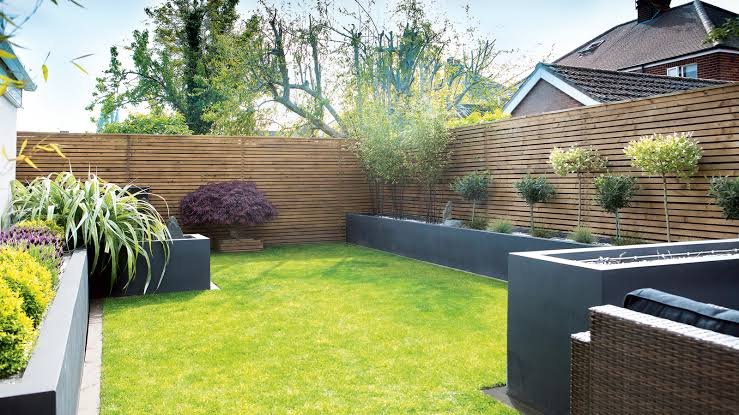
Identifying whether your primary goal is blocking a neighbor’s view or simply elevating your aesthetic is crucial. High-density patterns are ideal for complete concealment, whereas lighter, more open designs work better for purely decorative garden screening needs. Matching the visual density of the screen to your privacy goals keeps the backyard feeling open while still providing necessary cover.
Creating windbreaks and protective barriers
Screens positioned correctly can successfully mitigate strong gusts, protecting vulnerable plants or creating a more comfortable seating area. When selecting designs for this purpose, consider the structural wind load the panels will face during storms. A well-placed screen acts as a buffer, extending the utility of your outdoor space throughout the cooler months.
Zoning specific outdoor living areas
Separating functional zones like dining areas from gardening plots adds depth and utility to a landscape layout. You can create distinct “rooms” in a garden without the permanence of stone or brick walls. Using partitions allows for organic growth and movement, defining spaces while keeping the overall design cohesive and fluid.
2. Choosing the right material for your environment
Selecting the right material ensures that your panels withstand local weather patterns and provide the desired longevity for your project. You should consider how consistent exposure to sunlight, heavy wind, and rain affects different substrates over time. Making an informed material choice helps determine the overall lifecycle performance of your chosen decorative garden screening feature.
Durability of metal decorative garden screening
Metal options like laser-cut aluminum or corten steel are popular for their structural integrity and resistance to moisture. Corten steel, commonly recognized for its unique, rusted patina, provides a beautiful, industrial look that matures with age without losing strength. These materials are built to handle direct weather exposure year-round with minimal degradation.
Natural aesthetic appeal of timber panels
Timber screens bring a soft, organic warmth to modern landscapes that synthetic materials often struggle to replicate. While beautiful, wood requires careful selection of species and consistent maintenance to prevent early decay. It remains a top choice for those who prioritize a traditional or rustic backyard style over modern, sleek alternatives.
Low-maintenance benefits of composite alternatives
Composite screens provide an efficient way to enjoy texture and style without the burden of constant upkeep. For instance, Naturewall supplies composite garden screens that offer contemporary finishes and weatherproof performance without needing paint, oiling, or recurring treatments. These panels are specifically engineered for the following advantages:
- Minimal painting or oiling required for long-term endurance.
- Improved moisture resistance prevents common problems like warping or rotting.
- Lightweight modular construction simplifies the DIY installation process.
- UV-stable surface finishes protect against fading from direct sunlight throughout the year.
3. Navigating planning permissions and legal rules
Regulatory frameworks and local building bylaws often impact where and how high you can construct garden structures. Before committing to a specific design, it is essential to check with neighbors if the screen sits near a shared boundary line. Being proactive about these rules prevents potentially costly removals or enforcement visits from local authorities.
Checking local height restrictions for structures
Most municipalities impose specific limits on the height of garden structures, especially those placed near street-facing perimeters. Exceeding these thresholds often triggers a need for formal approval or adjustment of your design plans. Always verify the maximum allowed height to avoid compliance issues later on.
Addressing shared boundary line regulations
Installing a tall structure along a shared boundary can disrupt the existing relationship regarding light and noise flow between properties. It is common courtesy, and often a legal requirement, to discuss these additions with your neighbors before start. Clear communication helps ensure the project proceeds without creating friction or disputes over property lines.
Determining if your project requires a permit
Permit requirements frequently depend on the height, distance from the boundary, and building materials of the proposed screen. Simple, low-profile partitions may not always require formal documentation, but permanent foundations or tall installations usually involve city oversight. Checking your local council website for standard guidelines is a smart first step.
4. Evaluating different installation mounting methods
Mounting strategies vary significantly depending on existing surfaces and the structural integrity of your current landscape layout. Whether you choose to mount to a fence or build a standalone frame, the method must fully support the wind load and material weight of the panels. Careful installation planning remains vital for maintaining safety, stability, and visual appeal over many years.
Securing panels directly to existing garden walls
Attaching screens to solid structures requires appropriate hardware that prevents rusting and structural damage to the wall itself. The process involves drilling pilot holes and ensuring the anchor points align with the screen layout. When applied correctly, this method keeps your garden layout clean and tight to the existing foundations.
Installing freestanding frames for flexibility
Freestanding structures allow for movement throughout the garden, providing a adaptable way to rearrange your outdoor rooms seasonally. These frames usually require weighted bases to ensure the screen does not tip during high-wind events. Choosing this method offers the most flexibility for changing your mind as your landscape evolves.
Setting posts into the ground for structural stability
This traditional approach ensures that your screen remains vertical and secure regardless of the site conditions or panel size. We can compare the common mounting approaches by typical project requirement levels:
| Mounting Style |
Best Use Case |
Primary Need |
| Wall-Mounted |
Limited space |
Drilling/Hardware |
| Freestanding |
Seasonal movement |
Sufficient ballast |
| Post-Anchored |
Long-term fixity |
Digging foundations |
This comparison highlights how different installation needs influence your project workload. Choosing the right framework depends on local geography and your personal preference for permanent vs. temporary configurations.
5. Considering long-term maintenance requirements
Keeping your garden hardware in good shape requires understanding the specific needs of your chosen materials. Whether you use wood, composite, or metal, a regular inspection schedule catches small issues before they become major repairs. Planning your budget and time for these tasks ensures your yard remains a place for relaxation rather than labor.
Managing seasonal cleaning for weather-exposed surfaces
Dirt, moss, and debris accumulate on all outdoor installations regardless of their material quality. Periodic washing with mild soapy water and a soft brush prevents surface buildup that can dull the finish or trap moisture. This simple habit keeps your screens looking fresh after long winters or dusty summers.
Treating timber panels against rot and pest damage
Timber requires chemical treatment or specialized oiling to remain resistant against moisture and burrowing insects. Without these protective layers, even durable species will eventually exhibit signs of rot that compromise the structural integrity. Regular maintenance of the wood grain is non-negotiable for lasting performance.
Addressing paint or coating wear on metal screens
Painted metal surfaces can eventually chip, allowing water underneath to cause corrosion or rust streaks. If your screen is powder-coated, inspect for cracks annually and apply touch-up paint as necessary to preserve the finish. Proper care of the coating ensures that the metal beneath stays dry and completely unaffected by the elements.
6. Integrating screen designs with your landscape style
Integrating screening into your home design involves balancing the visual weight of the panel with your existing foliage. The goal is to make the screen feel like a natural extension of the garden rather than an afterthought. Successful integration relies on cohesive patterns and an understanding of how light interacts with the screen design.
Matching cutout patterns to your home’s architecture
Choose patterns that resonate with the existing lines of your home to create a harmonious transition between interior and exterior spaces. Many CNC-cut screens take inspiration from geometric motifs found in modern architecture or traditional leaf patterns for organic impact. A screen that echoes your home’s specific geometry feels intentional and sophisticated.
Utilizing garden lighting to enhance visual texture
Strategically placed lights behind or in front of your screens play with shadows to create a nighttime focal point. Illuminating the cutout patterns casts interesting shapes onto surrounding walls or paths, adding another layer of depth to your space. This technique effectively doubles the aesthetic value of your screens by highlighting them as art after sunset.
Balancing screen opacity with surrounding plant growth
Consider how your plants will grow around the screen over the next few seasons to maintain a balanced look. If you use a high-opacity screen to hide a view, you might leave more room for plants to soften the edges. Balancing the solid, man-made look of a screen with the softness of greenery creates the most inviting and natural outdoor atmosphere.
Conclusion
Successful installation of decorative garden screening requires balancing your privacy needs with the material constraints and legal requirements of your site. By carefully selecting durable materials and robust mounting techniques, you create an outdoor space that is both beautiful and functional for many years to come.





 Biography6 months ago
 News6 months ago
 Blog3 months ago
 Biography6 months ago