
Lifestyle
German Dirndl Outfit 2026: Complete Guide to Styling a Traditional Bavarian Look

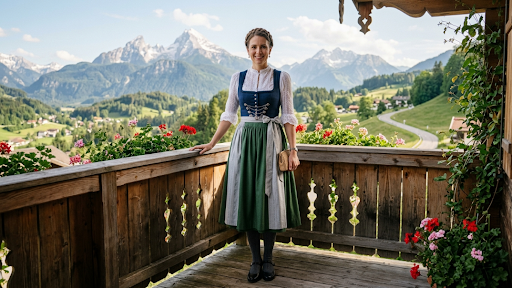
For women assembling complete Bavarian traditional wear for 2026 Oktoberfest attendance or Bavarian cultural events, building a proper german dirndl outfit requires understanding how multiple coordinated pieces work together as a unified traditional ensemble rather than randomly assembled costume elements. The complete German dirndl outfit extends well beyond the dirndl dress itself, incorporating blouse selection, appropriate footwear, coordinated stockings, traditional jewelry, potential headwear, and additional accessories that collectively create authentic Bavarian visual character rather than partial approximation.
The distinction between complete outfit and partial ensemble matters significantly for both photograph quality and how experienced Bavarian heritage community members respond to your appearance. A quality dirndl paired with random accessory choices photographs as incomplete and reads as costume-focused rather than heritage-appropriate. Complete outfit assembly with coordinated pieces working together creates ensembles that photograph beautifully and signal genuine engagement with Bavarian tradition. Understanding what makes a German dirndl outfit complete rather than partial helps ensure your Oktoberfest attendance delivers the results you’re expecting.
The Foundation: Quality Dirndl Selection
Every complete German dirndl outfit builds around the dirndl itself as the foundational piece. Length selection between mini (above knee), midi (below knee), and long (ankle-length) affects both the visual character and appropriate occasion contexts. Midi represents the safest first-purchase length working across most contexts from casual festival attendance through elegant events.
Color selection should coordinate with your natural characteristics including skin tone and hair color while maintaining traditional appropriateness. Deep colors including forest green, rich red, elegant black, and royal blue work universally. Softer pastels including pink, lavender, and cream suit elegant contexts and specific complexion types. Personal preferences remain the primary guide within traditional appropriateness ranges.
Material selection affects both aesthetic character and practical wearing experience. Cotton represents the most common and practical choice, providing comfortable breathability across long festival days with easier care than premium alternatives. Linen offers cooling comfort for warm-weather attendance; wool provides warmth for cool-weather events; silk delivers premium elegance for formal contexts. Each material suits specific use cases within Bavarian cultural engagement.
The Blouse (Dirndlbluse): Critical to Complete Character
The Dirndlbluse worn beneath the bodice significantly affects the finished ensemble character. Choosing the right blouse for your specific dirndl matters more than most first-time buyers appreciate before their initial complete outfit assembly. Different neckline styles create dramatically different visual characters even with identical dirndl selection.
Round neckline blouses represent the most traditional and universal choice, working across most bodice constructions and formality levels. The round neckline sits appropriately with most dirndl bodice cuts without dramatic character extremes, making it the safest first-purchase blouse choice.
Square neckline blouses provide more elegant character suited to formal contexts and specific bodice constructions that pair well with square necklines. Heart neckline blouses feature the distinctive heart-shaped opening providing romantic character suited to specific styling preferences. Carmen off-shoulder blouses provide the most contemporary character with specific fashion-forward aesthetic.
Sleeve length depends on the season and specific occasion context. Short sleeves work for warm-weather festival attendance and standard Oktoberfest contexts. Long sleeves provide coverage for cooler weather and more formal contexts. Puff sleeves add particularly distinctive traditional character that reads immediately as authentic Bavarian construction rather than generic blouse. Choosing puff sleeves for the classic traditional look versus streamlined sleeves for modern character represents an important styling decision.
Traditional Bavarian Footwear
The footwear anchors the ensemble visually and either supports the traditional character or breaks it through inappropriate selection. Traditional Bavarian footwear centers on several specific style categories. Mary Janes with proper leather construction and traditional character represent the most elegant traditional choice, working particularly well for formal contexts and elegant styling.
Quality leather flats in traditional configurations work across various contexts from casual festival attendance through moderate formality contexts. Selection should feature substantial leather construction, traditional character, and appropriate comfort for extended wear across long festival days. Standard fashion flats break traditional coherence and undermine even quality dirndl construction.
Lace-up ankle boots provide traditional character suited to specific configurations, cooler weather, and country-style variations. These work particularly well with certain dirndl styles and specific regional traditional configurations. Selection should feature quality leather and traditional character rather than fashion-focused modern alternatives.
Heels work with certain dirndl configurations but should feature traditional character rather than contemporary fashion styling. Low to moderate heels in traditional leather work; extreme high heels or contemporary styling breaks the traditional coherence regardless of the specific heel height.
Stockings and Legwear Coordination
Traditional Bavarian stockings complete the leg portion of the ensemble in ways that specifically support or undermine the overall traditional character. Cream or off-white cotton stockings work universally with most dirndl configurations, providing appropriate traditional character while accommodating various contexts.
Specific patterned stockings including subtle traditional patterns work with particular dirndl configurations and specific regional variations. Very elaborate patterns may break coherence with subtle dirndl construction, so coordination matters. Solid cream stockings represent the safest first-purchase choice for buyers uncertain about specific pattern coordination.
Length coordinates with skirt length. Knee-length stockings suit mini and midi dirndl. Full-length stockings suit long dirndl or specific traditional configurations. Ankle-length stockings work in some casual contexts but break traditional character for most formal ensembles. Choosing appropriate length ensures visual coherence across the complete ensemble.
Wool stockings provide warmth and traditional character particularly suited to cool-weather attendance. Cotton stockings offer more accessible pricing and easier care. Silk stockings represent premium elegance for specific formal contexts. Selection depends on the specific occasion and personal preferences.
Traditional Jewelry and Accessorization
The german bavarian costume tradition includes specific jewelry categories that add authentic finishing character. Edelweiss pendants featuring the iconic Alpine flower represent perhaps the most recognizable Bavarian traditional jewelry, working across most contexts and providing immediate heritage character. Simple pendant configurations work for accessible ensembles; elaborate premium versions suit elevated formal contexts.
Bavarian heart pendants matching the iconic gingerbread hearts (Lebkuchenherzen) sold at Oktoberfest provide festive character particularly suited to festival attendance. These add whimsical traditional character while remaining within authentic construction principles. Small versions work universally; elaborate versions carry more distinctive character.
Charivari jewelry — decorative chains historically worn by both men and women — provides distinctive traditional character. Women’s Charivari typically features smaller scale and different decorative elements than men’s versions. Adding pieces to a Charivari across successive events creates meaningful heritage accumulation over time.
Family heritage jewelry passed down through Bavarian families carries particularly meaningful character. Selecting family pieces for specific occasions creates personal heritage engagement that generic decorative jewelry cannot match. Buyers with documented Bavarian family heritage should consider whether family jewelry pieces suit specific occasion contexts.
Optional Headwear and Hair Accessories
Optional headwear provides additional character for specific contexts. Small Bavarian hats in appropriate styles work for cooler weather and specific traditional configurations. Selection should coordinate with the overall ensemble color and formality character rather than clashing.
Flower crowns (Blumenkranz) featuring Alpine flowers add particularly attractive festival character. Traditional configurations feature Edelweiss, Enzian (gentian), Alpenrose (Alpine rose), and other specific Alpine flowers. Flower crowns photograph beautifully in outdoor festival settings and add distinctive character without demanding formal traditional character.
Traditional hair styling matters even without added accessories. Braided styles including single or double braids, elegant updos, and specific traditional hair configurations complete authentic ensembles. Modern styling can work but often creates disconnect with traditional dirndl construction. Coordinating hair styling with the overall ensemble character supports complete visual coherence.
Simple hair ribbons and small hair accessories provide subtle character without demanding elaborate headwear. Traditional ribbon colors coordinating with the dirndl provide finishing touches particularly suited to elegant contexts and specific personal styling preferences.
The Apron and Its Positioning
The apron (Schürze) represents distinctive dirndl element that requires specific styling consideration. Apron color should complement (not exactly match) the dirndl color, creating visual harmony without appearing identical to the dirndl fabric. Traditional coordination features contrasting but harmonious color relationships.
The apron knot positioning follows universal Alpine convention: left side means single, right side means taken, front means virgin or undecided, back means widow or waitress. Understanding this convention prevents unintended miscommunication in traditional Alpine social contexts. Positioning the apron thoughtfully signals your relationship status to fellow attendees.
The apron length falls shorter than the dirndl skirt, revealing a portion of the underlying skirt fabric. Traditional configurations typically feature aprons approximately three-quarters the dirndl length, creating the distinctive layered look. Length variations exist within this general convention.
Building Complete Outfit Investment
Complete German dirndl outfit investment provides value across multiple annual wear opportunities rather than being confined to single-event use. Regional Oktoberfest celebrations across cities in the United States, Canada, Australia, and internationally provide multiple annual attendance opportunities. Beyond September-October primary season, various themed events across the year provide additional wear contexts.
For committed heritage wearers, initial complete outfit investment becomes the foundation for gradual wardrobe expansion. Adding coordinating pieces for different occasions, upgrading specific components after establishing continued interest, and building complete year-round Bavarian heritage wardrobes represents typical pathway for continued engagement.
Budget considerations distribute across the multiple ensemble pieces rather than concentrating on the dirndl alone. Complete accessible-tier ensemble at $300 to $500 delivers appropriate first ensemble; mid-range ensemble at $500 to $850 provides substantial improvement; premium ensemble at $850 and higher supports elevated ceremonial engagement.
Frequently Asked Questions
What makes a complete German dirndl outfit different from just a dirndl? Complete outfit includes coordinated blouse, appropriate footwear, matching stockings, traditional jewelry, and optional headwear. Just a dirndl represents partial ensemble.
Which piece should I invest most heavily in? The dirndl itself as the foundation. Blouse and footwear as second priorities. Accessories can be accessible without compromising overall character.
Do I need traditional Bavarian shoes specifically? For authentic complete outfit character, yes. Standard fashion shoes break traditional coherence.
How important is the apron knot positioning? Very important in Alpine social contexts. Traditional convention: left=single, right=taken, front=virgin/undecided, back=widow/waitress.
Can I mix traditional and contemporary pieces? Some mixing works if maintaining traditional foundation. Complete contemporary substitution breaks traditional character regardless of specific pieces.
How much should I budget for complete first outfit? $300 to $500 delivers appropriate accessible complete ensemble.
For women building complete german dirndl outfit configurations for 2026, coordinating multiple pieces as unified Bavarian ensembles delivers substantially better results than random costume accumulation. Quality dirndl foundation combined with proper Dirndlbluse, appropriate Bavarian footwear, coordinated stockings, traditional jewelry, optional headwear, and thoughtful accessorization creates complete german bavarian costume ensembles that photograph beautifully and signal thoughtful engagement with authentic Bavarian tradition. Invest in complete outfit assembly at the beginning of your Bavarian heritage engagement, coordinate pieces carefully across the ensemble, and treat the complete outfit as foundation for continued Bavarian cultural engagement across multiple annual events for years to come.

German Dirndl Outfit 2026: Complete Guide to Styling a Traditional Bavarian Look

Why Kitchen Spraying Is the Smart Choice for Your Modern Homes

Why the CDJ-3000 Is the DJ Setup Everyone’s Talking About

The Remote Work Reality: Scaling Your Freelance Career With Microsoft Dynamics 365 Certifications

How TSCM Sweeps Help Secure High-Level Business Meetings

Roof Install OKC: What Oklahoma City Homeowners Deserve

The Smart Way to Power Your EV: Professional Installation Done Right

Why AC Repair Is Worth Every Penny This Summer

Your Bathroom Deserves Better—Here’s Why It’s Time to Remodel

When Your AC Quits, Don’t Sweat It—Get It Fixed Fast

7 Workplace Conflicts That Can Destroy Team Performance

Ace Ultra Premium Mystery: Premium Vape or Market Scam? Full Facts Explained

Pann Choa Explained: What Every K-Pop Fan Should Know

The Architect in London I Hired Started by Telling Me What Not to Build

How to Build and Scale an SEO Agency Without Spending Thousands on Tools

The Worst Truck Accidents in U.S. History and What They Changed About Road Safety

Best Video Doorbell Without Subscription Storage Guide

How Dissertation Writer AI Assists Students From Topic Selection to Completed Dissertation

Movieda2023.com Guide: Content, Streaming Options, and Safety Tips

Why Renting a Private Home Near an Active Volcano Is Safer Than You Think
German Dirndl Outfit 2026: Complete Guide to Styling a Traditional Bavarian Look
Why Kitchen Spraying Is the Smart Choice for Your Modern Homes
Why the CDJ-3000 Is the DJ Setup Everyone’s Talking About
The Remote Work Reality: Scaling Your Freelance Career With Microsoft Dynamics 365 Certifications
How TSCM Sweeps Help Secure High-Level Business Meetings
Roof Install OKC: What Oklahoma City Homeowners Deserve
The Smart Way to Power Your EV: Professional Installation Done Right
Why AC Repair Is Worth Every Penny This Summer
Your Bathroom Deserves Better—Here’s Why It’s Time to Remodel
When Your AC Quits, Don’t Sweat It—Get It Fixed Fast
-

 Biography4 months ago
The Emotional Journey of Joanne Schieble Simpson, Steve Jobs’ Biological Mother
-

 News4 months ago
Jamal Adeen Thomas – Everything You Should Know About Clarence Thomas’ Son
-

 Biography4 months ago
Meet Theo Ressler: Everything You Know About Jami Gertz’s son
-

 Tech3 months ago
Bynethi com Explained Clearly: Benefits, Risks, and What to Expect