Connect with us

Lifestyle

Microblading Eyebrows: Everything You Need to Know

Published

on

Microblading Eyebrows

Eyebrows have always played a starring role in framing the face, and over the past decade, microblading has become one of the most popular semi-permanent solutions for achieving fuller, more defined brows. 

Whether you’re dealing with sparse eyebrows from over-plucking, ageing, or genetics, microblading offers a realistic, hair-stroke finish that can transform your entire look. 

This article explores what microblading is, how it works, what to expect during the process, and how to care for your brows afterwards.

What Is Microblading?

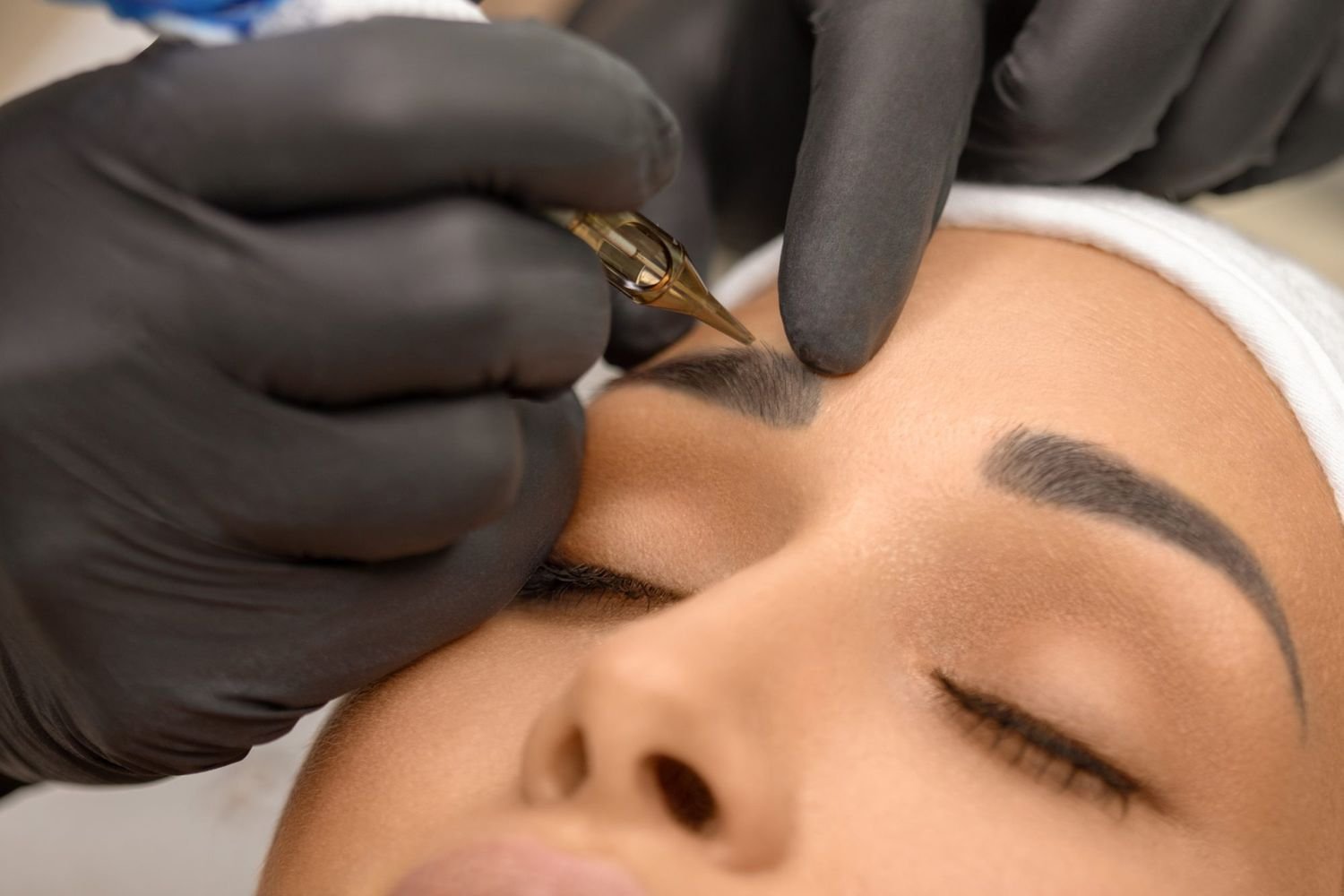
Microblading is a semi-permanent cosmetic tattooing technique that uses a hand-held tool fitted with a series of fine needles to deposit pigment into the upper layers of the skin. 

Unlike traditional tattooing, which uses a machine, microblading is performed manually, allowing the technician to create thin, precise strokes that mimic the natural pattern of eyebrow hairs.

The result is a soft, textured brow that looks remarkably realistic, especially when compared to older forms of cosmetic tattooing that often left brows looking harsh or unnaturally solid. 

Because the pigment is only implanted into the superficial layers of the skin, microblading is considered semi-permanent and typically lasts between twelve and eighteen months, depending on skin type, lifestyle, and aftercare.

Why People Choose Microblading

There are many reasons someone might opt for microblading over other brow treatments. Some of the most common motivations include:

  • Sparse or thinning brows caused by over-plucking, ageing, or medical conditions such as alopecia
  • Asymmetrical eyebrows that are difficult to correct with makeup alone
  • Time-saving convenience, eliminating the daily routine of filling in brows with pencil or powder
  • Active lifestyles, such as swimming or exercising, where makeup tends to smudge or wear off
  • Scarring from previous injuries or surgeries that has disrupted natural brow growth

For many clients, microblading isn’t just about aesthetics — it’s about confidence. Waking up with brows that already look “done” can make a genuine difference to how someone feels about their appearance each day.

The Microblading Process

A typical microblading appointment involves several stages, and a skilled technician will take the time to ensure the shape and colour suit your individual face and skin tone.

Consultation and Mapping

Before any pigment is applied, the technician will discuss your desired outcome, assess your skin type, and map out the brow shape using a measuring tool and pencil. This step is crucial, as it establishes symmetry and ensures the brows complement your facial features.

Numbing

A topical anaesthetic is applied to minimise discomfort. Most clients describe the sensation as mild scratching rather than outright pain, though sensitivity can vary from person to person.

The Microblading Technique

Using the hand-held blade, the technician creates fine, hair-like strokes following the natural direction of brow growth. Pigment is applied in layers to build depth and dimension, resulting in a soft, feathered appearance.

Colour and Finishing Touches

Once the strokes are complete, a final layer of pigment may be applied to settle the colour into the skin. The technician will then clean the area and provide instructions for aftercare.

If you’re interested in learning this technique professionally rather than simply having it done, enrolling in a microblading course is a great way to gain the qualifications and hands-on practice needed to work in this growing industry.

Aftercare for Microbladed Brows

Proper aftercare plays a significant role in how well the pigment settles and how long the results last. Here are some general aftercare guidelines:

  • Avoid getting the brows wet for at least seven to ten days
  • Refrain from applying makeup directly on the brow area during healing
  • Avoid sweating excessively, including gym workouts and saunas
  • Do not pick or scratch at any scabbing that forms
  • Apply the recommended healing balm as instructed by your technician
  • Stay out of direct sunlight and avoid tanning beds until fully healed
  • Skip chemical exfoliants or retinol products near the brow area for several weeks

Following these steps helps prevent infection, colour loss, and uneven healing, ensuring the brows heal into a crisp, natural-looking finish.

What to Expect During Healing

The healing process typically unfolds over several stages. Initially, the brows may appear darker and more defined than expected — this is completely normal. Over the following week, some flaking or light scabbing will occur as the skin regenerates. 

It’s common for the colour to appear patchy or lighter during this phase, sometimes referred to as the “ghosting” stage, before the true colour resurfaces around four weeks post-treatment.

Most technicians recommend a touch-up appointment around six to eight weeks after the initial session. 

This allows them to fill in any areas where pigment didn’t take evenly and fine-tune the shape or colour saturation.

Who Should Avoid Microblading?

While microblading is generally safe, it isn’t suitable for everyone. People who are pregnant or breastfeeding, have certain skin conditions such as eczema or psoriasis in the brow area, are on blood-thinning medication, or have a history of keloid scarring should consult a doctor before proceeding. 

It’s also worth noting that those with oily skin may find the results fade faster and less crisply than those with normal or dry skin, as excess oil can cause pigment to blur over time.

Choosing a Qualified Technician

Because microblading involves breaking the skin barrier, it’s essential to choose a technician who is properly trained, insured, and works in a hygienic, licensed studio. 

Always ask to see a portfolio of their previous work, check reviews, and confirm they use single-use, sterile needles for every client. 

A reputable technician will also walk you through a thorough consultation before beginning any work.

For those considering a career change or wanting to add this in-demand skill to their beauty repertoire, formal training is essential. 

A structured microblading course covers everything from skin anatomy and colour theory to hands-on practice, giving graduates the confidence and certification needed to offer safe, professional treatments.

Final Thoughts

Microblading has genuinely changed the game for people seeking natural-looking, low-maintenance eyebrows. 

With the right technician, proper aftercare, and realistic expectations about the healing process, it can be a fantastic long-term solution for anyone wanting to enhance their brows. 

As with any cosmetic procedure, doing your research and choosing a qualified professional will make all the difference in achieving results you’ll love.


Continue Reading

Trending