Connect with us

Lifestyle

Why ‘Ozempic Face’ Is Driving a Surge in Deep Plane Facelifts

Published

on

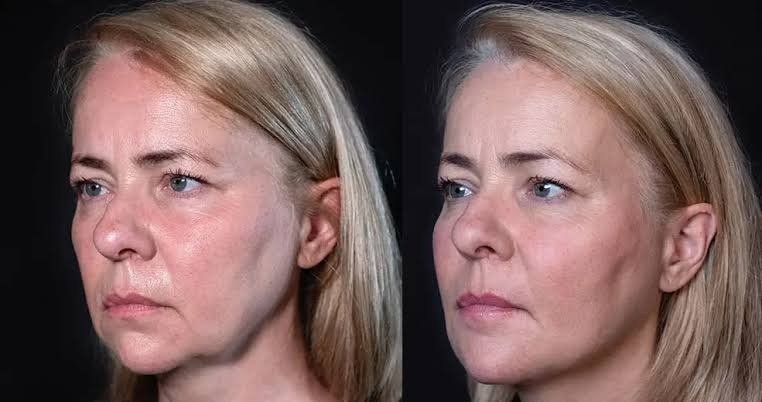
Semaglutide and tirzepatide have changed how quickly people lose weight, and that speed has a cost: the face often loses volume faster than the skin can adapt. The result, dubbed “Ozempic face,” is hollow cheeks, deep nasolabial folds, and skin that hangs rather than sits. Clinics on Harley Street report a sharp rise in patients asking for structural correction rather than another round of filler, because filler simply cannot re-suspend tissue that has genuinely dropped.


If you’re researching a Expert deep plane facelift surgery in London, this is worth understanding before your consultation, because GLP-1-related ageing behaves differently from ordinary facial ageing and changes what a surgeon needs to plan for.


For a clearer picture of the actual patient journey, it’s worth reading a Deep Plane Facelift Expectation guide before your first appointment, since it sets realistic timelines for swelling, bruising, and final results.


Here’s a breakdown of why this technique is having a moment, and what to weigh up if you’re considering it.

Rapid Weight Loss Exposes Structural Ageing, Not Just Volume Loss

Traditional ageing happens gradually, giving skin time to adjust. GLP-1-driven weight loss can strip facial fat in a matter of months, exposing sagging ligaments and descended tissue that skin-only tightening can’t correct. This is precisely the problem a deep plane facelift was designed to solve, because it works below the surface rather than simply pulling skin taut.

Filler and Skinny Injectables Can Only Do So Much

Dermal filler restores volume in specific pockets, but it can’t reposition tissue that has genuinely descended under gravity. Patients who over-filled during their weight-loss journey often end up looking puffy rather than youthful. A deep plane face lift repositions the SMAS and skin as one unit, which restores natural contour instead of masking it with added volume.

The Deep Plane Technique Targets the Retaining Ligaments

Unlike a standard SMAS lift, the deep plane facelift surgery uk patients are increasingly choosing releases the facial retaining ligaments that hold sagging tissue in place. This allows the cheeks, jawline, and midface to move as one composite flap, giving a more natural lift than surface-level tightening alone.

Results Look Natural, Not “Pulled”

A common fear after rapid weight loss is ending up with an overly tight, windswept appearance. Because tension sits in the deeper tissue rather than the skin, a deep plane face and neck lift avoids that stretched look and allows normal facial expression to remain intact during healing and beyond.

Recovery Is More Predictable Than Patients Expect

Swelling and bruising typically last one to three weeks, with sutures removed within seven to fourteen days. Most patients return to light activity within two weeks and resume exercise around six weeks post-op. This predictability is a major reason the deep plane face lifting approach has become the standard recommendation for post-weight-loss facial correction in London clinics.

It Can Be Combined With a Neck Lift for Full Correction

GLP-1 weight loss rarely affects only the face; the neck and jawline often show similar laxity. Surgeons frequently pair the procedure with a neck lift so the jawline and neck are treated as a single aesthetic unit, which is particularly relevant for patients whose weight loss has left visible platysmal banding.

Understanding Deep Plane Facelift Cost in London

Pricing for a deep plane facelift cost london procedure typically starts from the mid five figures upward, depending on whether a neck lift, brow lift, or fat grafting is combined with the primary surgery. Expect your surgeon to break down anaesthetist fees, hospital facility costs, garments, and follow-up visits so there are no surprises after consultation. A transparent deep plane facelift uk cost breakdown is a good sign you’re dealing with an experienced, accredited practice.

Why “Cheaper Abroad” Isn’t Always Cheaper

A quick search will surface a much lower deep plane facelift turkey cost, but this is one of the most technically demanding procedures in facial surgery, and outcomes depend heavily on surgeon experience and access to follow-up care. Complications after returning home can be harder to manage from a distance, so many patients choose to stay closer to their surgeon for the full recovery window.

Choosing Among the Best Deep Plane Facelift Surgeons UK

Not every cosmetic surgeon performs this technique regularly, and it is worth asking directly how many they’ve done. Look for best deep plane facelift surgeons uk candidates with verifiable before-and-after portfolios, recognised professional memberships, and a willingness to explain risks honestly rather than only benefits. The same applies when narrowing down the best deep plane facelift surgeons in your specific city or postcode.

What to Ask When Comparing the Best Deep Plane Facelift Surgeon London Options

During consultation, ask how the surgeon tailors the technique to post-weight-loss patients specifically, since their tissue laxity and volume distribution differs from typical age-related sagging. A best deep plane facelift surgeon london candidate should assess your facial anatomy individually rather than offering a one-size-fits-all surgical plan, and should be transparent about combining procedures like fat grafting if your midface volume needs restoring alongside the lift.

Timing Matters After Significant Weight Loss

Surgeons generally recommend waiting until weight has stabilised for several months before booking a deep plane facelift uk procedure. Operating while weight is still fluctuating can mean the surgical result doesn’t match your final facial volume, so patience during this window genuinely pays off in the outcome.

Final Thoughts

“Ozempic face” isn’t a fad complaint; it’s a genuine structural consequence of fast, significant weight loss, and it’s reshaping what patients ask for in facial rejuvenation. A deep plane facelift addresses the root cause by repositioning tissue rather than simply tightening skin over a changed facial framework, which is why demand has climbed sharply among GLP-1 patients in London and beyond.


Fillers, skinboosters, and topical treatments still have a place in a broader skincare routine, but they were never designed to correct ligament-level descent. That’s a job for a surgical technique built specifically to lift from the deeper structural layer, not the surface.


If you’re noticing hollowing, sagging, or a “deflated” look after weight loss, a personalised consultation is the right next step. A qualified surgeon will assess how much of what you’re seeing is volume loss versus true structural descent, and recommend whether a deep plane approach alone, or combined with fat grafting and a neck lift, is the right path for your anatomy and goals. Bring recent photos from before your weight loss if you have them — they help enormously in planning a result that looks like a refreshed version of you, not a different face altogether.


Continue Reading

Trending