Tech
Glass Lined Reactor Parts: Why Quality Components Define Process Plant Performance
In the world of chemical and pharmaceutical manufacturing, the integrity of your process equipment is not a secondary concern — it is the foundation upon which safe, efficient, and compliant operations are built. Among the most critical elements in any production environment are the components that line, seal, and protect your reactors from corrosive substances, extreme temperatures, and relentless mechanical stress. When these components begin to fail, the consequences ripple outward: contaminated batches, unplanned downtime, regulatory scrutiny, and significant financial loss. Understanding what makes reactor components degrade — and how to respond decisively — is essential knowledge for any plant manager or process engineer.
The Role of Glass Lining in Industrial Reactors
Glass lining has been a trusted solution in chemical processing for well over a century. The technology involves fusing a layer of borosilicate glass to a steel substrate at extremely high temperatures, creating a surface that is chemically inert, smooth, and highly resistant to corrosion. This combination of mechanical strength from the steel and chemical resistance from the glass makes glass-lined reactors indispensable in industries ranging from pharmaceuticals and agrochemicals to specialty chemicals and food processing.
However, the glass lining itself is not impervious to wear. Thermal shock, mechanical impact, and chemical attack can all compromise the integrity of the lining over time. When the glass surface is breached, the underlying steel becomes exposed to aggressive media, accelerating corrosion and potentially contaminating the product. This is why the individual components within a glass-lined system — from nozzles and agitators to baffles and bottom outlets — must be maintained and replaced with precision and care.
Recognizing the Signs of Component Degradation
One of the most overlooked aspects of reactor maintenance is the gradual nature of component failure. Unlike a catastrophic mechanical breakdown, glass lining degradation often begins subtly — a hairline crack here, a small chip near a nozzle flange there. Over time, these minor defects compound into serious operational hazards. Plant operators who rely solely on visual inspection during scheduled shutdowns may miss early warning signs that could have been addressed at a fraction of the eventual repair cost.
Spark testing, also known as holiday testing, is one of the most reliable methods for detecting pinholes and cracks in glass-lined surfaces. By passing a high-voltage electrode across the surface, technicians can identify areas where the lining has been compromised — even when the damage is invisible to the naked eye. Coupling this with regular pH monitoring of process streams and careful documentation of thermal cycling events gives maintenance teams a comprehensive picture of component health.
Much like the situation described when a critical system begins to fail and replacement becomes the only viable path forward, reactor components that have reached the end of their service life should not be patched indefinitely. Temporary repairs may buy time, but they rarely address the root cause of degradation, and they introduce uncertainty into processes where precision is paramount.
Selecting the Right Replacement Components
When it comes time to replace glass-lined components, the selection process demands careful attention to material specifications, dimensional tolerances, and compatibility with existing equipment. Not all glass-lined parts are manufactured to the same standard, and sourcing components from suppliers who lack rigorous quality control can introduce new failure points into your system almost immediately.
Key considerations when evaluating replacement parts include the glass formulation used in the lining, the thickness and uniformity of the glass layer, the quality of the steel substrate, and the precision of machined surfaces at connection points. Flanges, for example, must meet exact dimensional standards to ensure leak-free sealing under process conditions. Agitator blades must be balanced and coated evenly to prevent vibration-induced stress on the lining. Every detail matters.
Compatibility and Cross-Referencing
Many process plants operate reactors from multiple manufacturers, some of which may no longer be in production. In these cases, sourcing compatible replacement parts requires a supplier with deep technical knowledge and the ability to cross-reference legacy specifications. A supplier who can manufacture or source parts that meet or exceed original equipment manufacturer standards — regardless of the reactor’s age or origin — provides enormous operational value.
Inventory Management for Critical Spares
Maintaining a strategic inventory of critical glass-lined spare parts is a practice that separates proactive plant management from reactive crisis management. Nozzles, sight glasses, bottom outlet valves, and agitator components are among the parts most frequently subject to wear and should be held in stock wherever possible. The cost of carrying spare inventory is almost always lower than the cost of unplanned downtime while waiting for parts to be manufactured and delivered.
Innovation in Reactor Technology and What It Means for Components
The pharmaceutical and bioprocessing industries continue to push the boundaries of reactor design. Advances in single-use systems, continuous manufacturing, and antibody-drug conjugate (ADC) production are reshaping what manufacturers expect from their process equipment. For instance, MilliporeSigma’s launch of the Mobius ADC reactor illustrates how specialized applications are driving demand for highly engineered reactor solutions that prioritize containment, flexibility, and scalability. These developments underscore the importance of component quality across all reactor types — whether cutting-edge single-use systems or established glass-lined vessels.
As process complexity increases, so does the demand placed on individual components. Seals must withstand higher pressures. Agitators must operate across wider viscosity ranges. Nozzles must accommodate more complex instrumentation. The glass lining itself must perform reliably across a broader range of chemical environments. This evolution makes the sourcing of high-quality, precisely manufactured components more important than ever.
International Process Plants: A Trusted Source for Glass-Lined Components
For process engineers and plant managers seeking reliable replacement components, International Process Plants has established itself as a respected name in the supply of used and reconditioned process equipment. With an extensive inventory and deep expertise in chemical and pharmaceutical processing systems, the company offers a practical solution for facilities that need quality components without the lead times and costs associated with new equipment procurement.
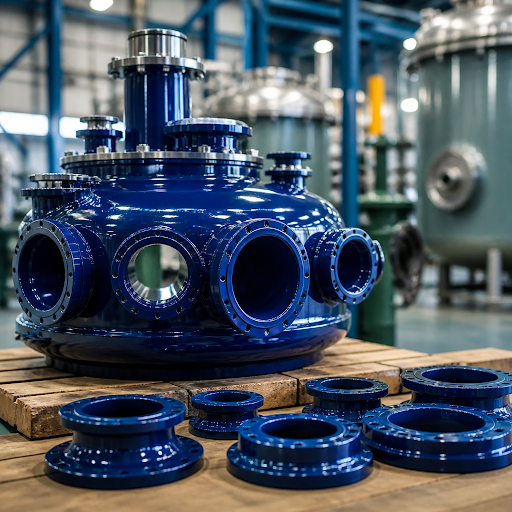
Their offering of glass lined reactor parts spans a wide range of sizes, configurations, and manufacturer origins, making it possible to source compatible components for both modern and legacy reactor systems. Each part is evaluated for condition and suitability, giving buyers confidence that what they receive will perform as expected in demanding process environments.
Conclusion: Component Quality Is Process Quality
In process manufacturing, the performance of the whole is only as reliable as the performance of its parts. Glass-lined reactors are sophisticated, high-value assets that protect both product quality and operator safety — but only when every component within them is functioning as designed. Regular inspection, timely replacement of worn parts, and careful sourcing from knowledgeable suppliers are the pillars of a sound maintenance strategy.
Whether you are managing a single reactor or an entire fleet of glass-lined vessels, the decisions you make about component quality today will determine the reliability and profitability of your operations tomorrow. Invest in the right parts, from the right sources, and your process equipment will reward you with years of dependable service.
-
Biography6 months agoThe Emotional Journey of Joanne Schieble Simpson, Steve Jobs’ Biological Mother
-

News5 months agoJamal Adeen Thomas – Everything You Should Know About Clarence Thomas’ Son
-

Blog2 months agoWhat Is Sotwe? Everything You Need to Know Before Using It
-

Biography6 months agoMeet Theo Ressler: Everything You Know About Jami Gertz’s son