The Evolution of Professional Dog Walking
The professional dog walking industry has undergone a massive transformation over the last decade. What was once considered a casual neighborhood chore for students has evolved into a sophisticated, high demand service sector. As pet ownership rates continue to climb and owners treat their animals as integral family members, the expectations placed upon professional walkers have reached an all time high. This shift toward professionalism brings with it a significant increase in responsibility and, more importantly, liability.
Operating a modern pet care business requires more than just a love for animals and a sturdy pair of walking boots. It demands a keen understanding of risk management and the foresight to protect oneself against the unpredictable nature of canine behavior. When you are in a public space with a pack of dogs, you are navigating a complex environment filled with cyclists, children, traffic, and other animals. The margin for error is slim, and the consequences of a mishap can be life changing for a small business owner.
The Shift Toward Professional Accountability
Today’s dog walkers are expected to be experts in animal behavior, first aid, and local legislation. As clients become more discerning, they are no longer looking for the cheapest option but rather the most reliable and secure one. This professionalization means that if something goes wrong, the client is far more likely to seek legal recourse. The safety net of a comprehensive policy is no longer a luxury but a fundamental requirement for anyone serious about their career in pet care.
Defining Public Liability in the Pet Industry
Public liability is the cornerstone of any service based business, but for dog walkers, it takes on a specific and vital role. At its core, this type of is designed to protect you if a third party suffers an injury or if their property is damaged as a result of your business activities. In the context of dog walking, the third party could be a pedestrian, another pet owner, or a member of the public who is impacted by a dog under your care.
It is important to distinguish public liability from other types of coverage like personal accident or equipment . While those protect you and your gear, public liability is outward facing. It addresses the financial repercussions of legal claims brought against you by others. Without this protection, a dog walker is personally responsible for legal fees, medical costs, and compensation payouts, which can easily reach tens of thousands of pounds.
What Public Liability Specifically Covers
- Legal defense costs regardless of whether the claim against you is successful or not.
- Compensation for bodily injury caused to a member of the public by a dog in your charge.
- Costs associated with damage to third party property, such as a dog breaking a neighbor’s fence or damaging a car.
- Incidents occurring in public parks, private homes, or while transporting animals in a vehicle.
The Primary Risks Facing Modern Dog Walkers
Dogs are sentient beings with their own unique temperaments and triggers. Even the most well trained dog can react unpredictably when faced with a sudden loud noise, a fast moving bicycle, or an aggressive stray animal. The risks involved in dog walking are diverse and often manifest when least expected.
One of the most common scenarios involves a dog tripping a pedestrian. If a dog on a long lead darts across a path and causes an elderly person to fall, the walker is often held liable for the resulting injuries. Similarly, dog on dog aggression is a constant threat. If a dog under your supervision attacks another pet in the park, you are responsible for the veterinary bills and the emotional distress caused to the other owner.
Environmental and Social Hazards
- Traffic accidents caused by a dog slipping its collar and running into the road.
- Livestock worrying if walking in rural areas where sheep or cattle are present.
- Inadvertent damage to a client’s home when picking up or dropping off the pet.
- Injuries to children who may approach a dog without asking for permission.
Financial Implications of Uninsured Incidents
The financial reality of a legal claim can be devastating for a solo entrepreneur or a small team. Many dog walkers operate on relatively thin margins, and a single significant claim can lead to bankruptcy. Legal fees alone can accrue rapidly, as solicitors charge high hourly rates to manage even simple disputes.
Consider the cost of a serious injury claim. If a member of the public is bitten and requires surgery and time off work, the compensation award will cover their medical expenses, lost earnings, and pain and suffering. When these figures are combined with your own legal defense costs, the total can be astronomical. Having a policy from Pet Business ensures that these costs are managed by professionals, allowing your business to survive the crisis.
Why Self Insuring is a Dangerous Strategy
Some walkers believe they can simply set aside a small amount of money each month to cover potential issues. This is a flawed strategy because the potential liability far outweighs any realistic savings pot. A major claim can occur in your first week of business or your tenth year. The unpredictability of the timing and the scale of the cost make professional the only viable way to manage this specific risk.
Building Client Trust Through Professionalism
In a crowded marketplace, trust is your most valuable currency. When a pet owner hands over their house keys and their beloved companion, they are taking a significant leap of faith. Demonstrating that you have invested in professional protection shows that you take your responsibilities seriously and that you have a plan in place for the unexpected.
Many high end clients will specifically ask to see a certificate of before they agree to a contract. By proactively mentioning your coverage from Pet Business , you position yourself as a premium service provider. This transparency not only helps in securing new contracts but also allows you to justify higher rates, as clients understand they are paying for a secure and professional experience.
Marketing Your Safety Standards
- Feature your status prominently on your website and social media profiles.
- Include a copy of your summary in your welcome pack for new clients.
- Use your commitment to safety as a key selling point in your local advertising.
- Explain to clients how your protects them as well as you.
Navigating Legal Requirements and Local Bylaws
The legal landscape for pet professionals is becoming increasingly complex. Many local councils have introduced Public Space Protection Orders which dictate where dogs can be walked and how many dogs a single person can handle at once. Failure to adhere to these rules can not only result in fines but can also void your if you are found to be operating outside of the law.
Understanding the Dangerous Dogs Act and your responsibilities under animal welfare legislation is crucial. If a dog in your care is deemed out of control in a public place, you may face criminal charges in addition to civil liability. A professional safety net provides the support needed to navigate these legal minefields, ensuring that you have access to expert advice when you need it most.
Staying Compliant with Local Regulations
- Regularly check council websites for updates on dog walking restrictions in your area.
- Maintain accurate records of all walks, including dates, times, and any incidents that occurred.
- Ensure all dogs in your care are microchipped and wearing appropriate identification as required by law.
- Limit the number of dogs you walk to a manageable and legal quantity.
Strategic Protection with Pet Business
When selecting a provider, it is essential to choose one that understands the specific nuances of the pet industry. General business often lacks the specialized clauses needed to cover the unique risks of dog walking. This is where Pet Business provides a tailored solution that addresses the actual day to day realities of the job.
Their policies are designed to cover the specific gaps that other insurers might miss, such as the loss of keys or the accidental escape of an animal. By choosing a specialist, you ensure that the primary target keyword of your business, which is The Ultimate Dog Walker’s Safety Net, is fully supported by a policy that won’t fail you when a claim arises. Specialist providers also offer higher limits of indemnity, which are often required by local authorities for licensed walkers.
Key Features to Look For in a Policy
- Care, Custody, and Control coverage, which protects you if the dog itself is injured while with you.
- Loss of Key cover, which handles the cost of changing locks if you lose a client’s keys.
- Professional Indemnity, in case you provide advice that leads to a client’s loss.
- Personal Accident cover to protect your income if you are injured while working.
Handling Third Party Property Damage Claims
Property damage is an often overlooked aspect of public liability. While most walkers focus on the risk of bites or trips, the potential for property damage is constant. A dog might jump on a parked car and scratch the paintwork, or it might break an expensive piece of garden furniture while being dropped off.
These incidents, while perhaps less traumatic than an injury, can still be expensive and damaging to your reputation. If you are found liable for damage to a third party’s property, your will step in to cover the repairs or replacement costs. This prevents a minor accident from turning into a major financial burden or a bitter dispute with a neighbor or client.
Common Examples of Property Damage
- A dog digging up a prize winning flower bed in a public park.
- An excited dog knocking over a display in a pet friendly shop.
- Muddy paws ruining an expensive rug during a home drop off.
- Chewing damage to a client’s porch or entryway.
Managing Multi Dog Walks and Off Leash Risks
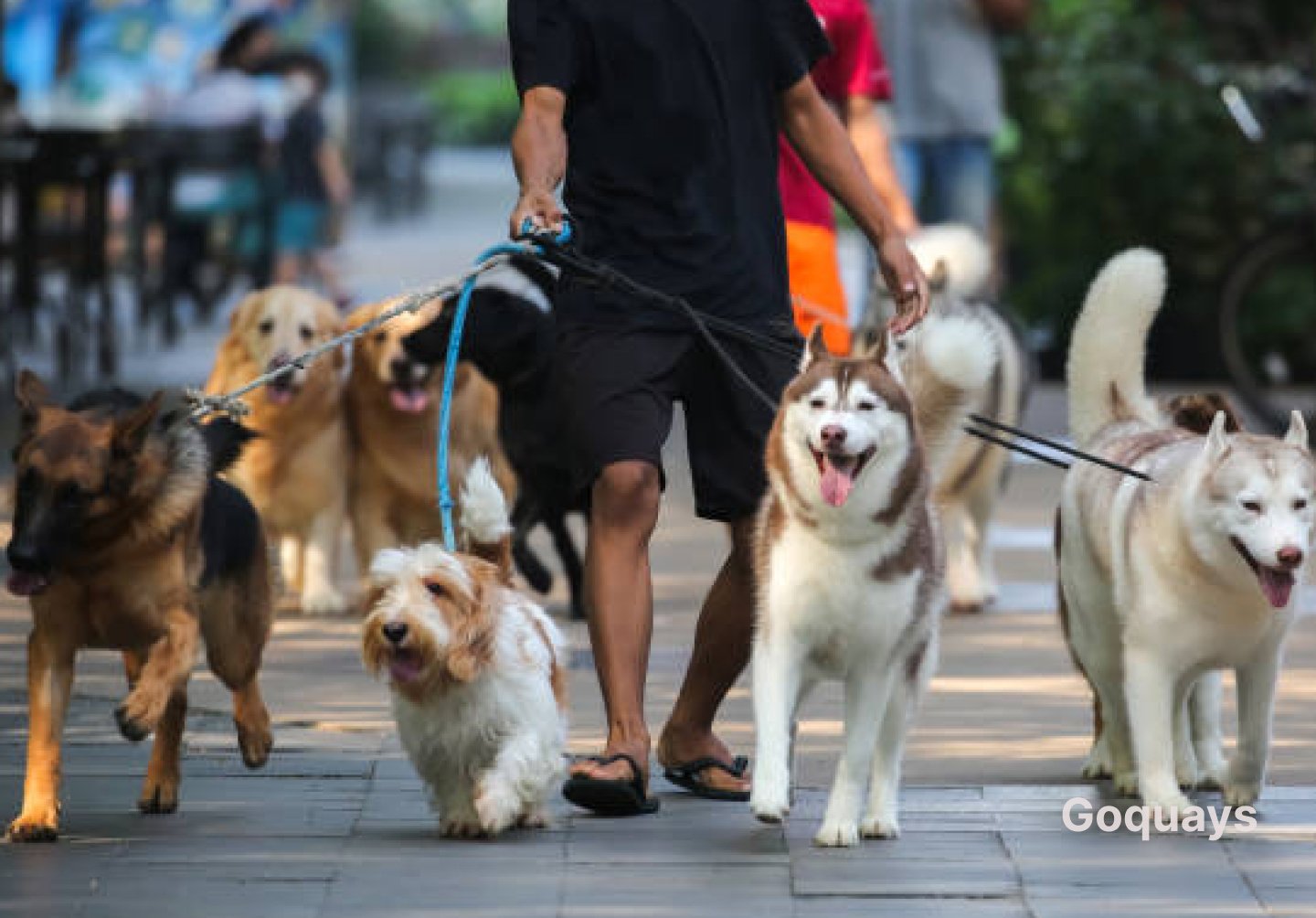
Walking multiple dogs at once significantly increases your risk profile. The dynamics of a pack are different from those of an individual dog, and the potential for a situation to escalate is much higher. Many providers have specific requirements regarding the maximum number of dogs that can be walked simultaneously, usually ranging from four to six depending on local laws and policy terms.
Off leash walking is another high risk activity. While many owners want their dogs to have off leash exercise, it removes a level of physical control from the walker. If a dog runs away or causes an accident while off the lead, the walker must be able to prove they took all reasonable precautions. Having a robust policy from Pet Business ensures that you are covered even during these high stakes moments, provided you follow the safety guidelines outlined in your agreement.
Best Practices for Risk Mitigation
- Perform thorough assessments of every dog before adding them to a group walk.
- Only allow off leash exercise in secure, designated areas or with express written consent from the owner.
- Use high quality equipment, including double clipped leads and well fitted harnesses.
- Maintain a high level of situational awareness, scanning the environment for potential triggers at all times.
Securing Your Professional Legacy
Investing in public liability is about more than just satisfying a legal or contractual requirement; it is about the long term sustainability of your business. The pet care industry is built on relationships, and those relationships are underpinned by the security you provide. By ensuring you are protected, you are also protecting the families and the pets you serve.
As your business grows, your needs will evolve. You may hire employees, take on a physical premises, or expand into grooming or training. Throughout these changes, maintaining a relationship with a dedicated provider like Pet Business allows you to scale with confidence. You can focus on what you do best, which is providing exceptional care and exercise for dogs, knowing that your professional legacy is shielded from the financial fallout of accidents.
The peace of mind that comes with comprehensive coverage is invaluable. It allows you to walk into every park and every client’s home with the confidence that you are prepared for any eventuality. In the world of professional dog walking, being prepared is the hallmark of a true expert, and public liability is the most important tool in your kit.





 Biography7 months ago
 News7 months ago
 Blog4 months ago
 Biography7 months ago