Blog
Why Australian Homeowners Are Choosing Cobblestone Pavers for Outdoor Design
Cobblestone pavers have become a popular choice for Australian homeowners looking to create outdoor spaces that are both practical and visually distinctive. Whether used for driveways, pathways, courtyards or entertaining areas, natural stone cobblestones combine durability with timeless appeal, making them suitable for a wide range of landscape designs.
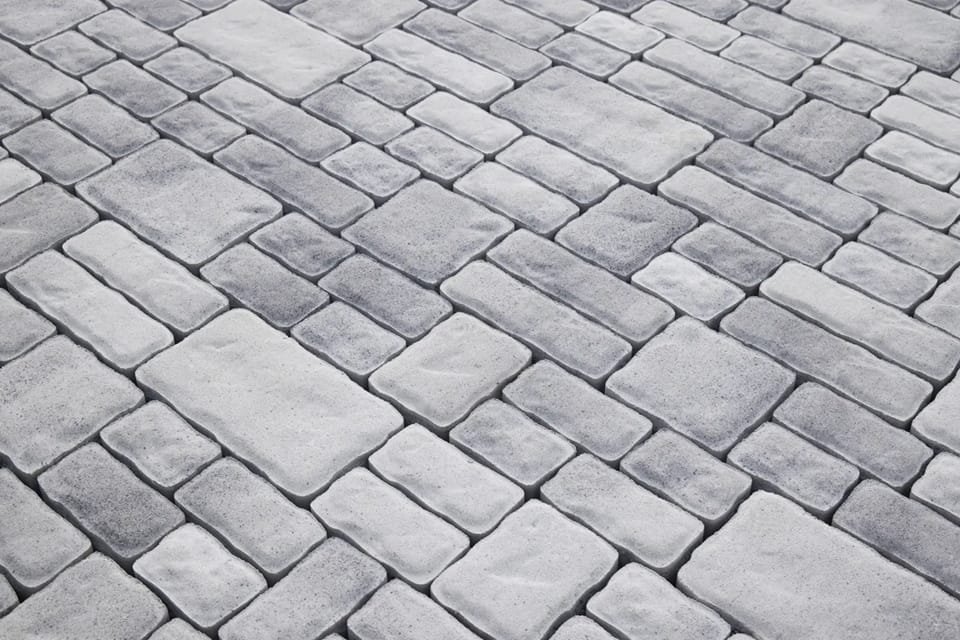
Unlike larger paving formats, cobblestones are made up of individual natural stone units, allowing greater flexibility in both design and installation. Their textured appearance, long-lasting performance and ability to complement almost any architectural style explain why they continue to feature in residential landscaping projects across Australia.
For homeowners exploring premium cobblestone pavers, understanding the practical and design benefits can help determine whether they are the right solution for an outdoor renovation or new build.
Built to Handle Everyday Use
Outdoor paving is exposed to constant wear. Driveways carry the weight of vehicles, pathways experience daily foot traffic, and entertaining areas must withstand outdoor furniture, changing weather and regular cleaning.
Cobblestone pavers are particularly well suited to these demanding environments because each individual stone shares the load across the prepared base beneath it. Rather than relying on one large slab, the paving system distributes pressure across hundreds of smaller units.
This provides several practical advantages:
- Excellent durability
- Strong load-bearing performance
- Reduced risk of large-scale cracking
- Easier maintenance over time
If a section is damaged or requires adjustment, individual cobblestones can often be lifted and replaced without disturbing the surrounding paving. This repairability has helped make cobblestones a preferred paving solution in public spaces for centuries and continues to benefit residential properties today.
Natural Stone Performs Well Outdoors
Australian outdoor environments can be demanding. Strong UV exposure, seasonal rain, coastal conditions and regular temperature changes all place pressure on paving materials.
Natural stone is valued because its colour and texture exist throughout the material rather than as a surface coating. As a result, minor weathering generally becomes part of the stone’s natural character rather than creating obvious signs of deterioration.
Common cobblestone materials include:
- Granite
- Quartzite
- Italian porphyry
Each offers different colours, textures and performance characteristics, allowing homeowners to select a stone that suits both the property’s design and the intended application.
Choosing the right material remains important. Pool surrounds, driveways and sloping pathways all have different performance requirements, so stone selection should always match how the space will be used.
Texture Improves Both Safety and Appearance
Surface texture is one of the defining features of cobblestone paving.
Many natural stone cobbles are available with split, flamed or tumbled finishes that create additional grip underfoot compared with smoother paving materials. This makes them particularly suitable for outdoor areas exposed to moisture, including:
- Garden paths
- Courtyards
- Entryways
- Pool surrounds
- Alfresco areas
The textured surface also creates visual depth. Because every stone contains slight variations in colour, shape and finish, sunlight produces changing highlights and shadows throughout the day.
Rather than appearing perfectly uniform, the finished surface develops a more natural appearance that blends comfortably with gardens, trees and surrounding landscape elements.
Smaller Pavers Create Greater Design Flexibility
One of the biggest advantages of cobblestone paving is its versatility.
The compact size of each stone allows designers to create layouts that would be difficult to achieve using larger paving units.
Cobblestones work particularly well for:
- Curved pathways
- Circular courtyards
- Driveway borders
- Garden edging
- Feature bands
- Entrance details
They can also be laid in numerous patterns, including stretcher bond, running bond, fan patterns and more traditional arrangements.
This flexibility allows cobblestones to complement both heritage homes and contemporary architecture. In modern landscapes, they introduce texture that softens clean lines. In traditional gardens, they reinforce a timeless character that suits established planting and classic design features.
Cobblestone Driveways Create Lasting Street Appeal
The driveway is often one of the first features visitors notice when approaching a property.
Cobblestone paving provides a sense of quality and permanence while helping define the entrance to the home.
Some homeowners choose full cobblestone driveways, while others combine larger paving with cobblestone borders, aprons or feature strips to introduce additional texture without paving the entire surface.
For driveways, successful performance depends on:
- Correct base preparation
- Appropriate stone thickness
- Strong edge restraints
- Proper jointing
- Professional installation
When these elements are combined, cobblestone driveways provide excellent durability while creating a distinctive appearance that enhances the property’s overall presentation.
Cobblestones Work With a Wide Range of Landscaping Styles
Successful outdoor spaces rely on how different materials work together.
Natural stone cobblestones integrate well with:
- Native gardens
- Coastal landscapes
- Formal gardens
- Contemporary courtyards
- Traditional homes
- Outdoor entertaining areas
Their organic colour variation helps soften transitions between hard landscaping and planting, creating outdoor spaces that feel balanced rather than overly structured.
Cobblestones are also useful for defining movement throughout the property. They can connect entrances, gardens, entertaining spaces and pool areas while clearly separating different outdoor zones.
This combination of practicality and design flexibility allows cobblestones to contribute to both the appearance and functionality of the landscape.
Long-Term Value Beyond Appearance
While aesthetics often drive the initial decision, many homeowners appreciate cobblestone pavers because of their long-term performance.
Natural stone requires relatively little ongoing maintenance when appropriately selected and installed. Regular sweeping, occasional washing and prompt attention to stains are generally sufficient to maintain its appearance. Depending on the stone type and location, sealing may also be recommended to help protect the surface.
Because individual pavers can usually be repaired or replaced if required, maintenance is often simpler than replacing larger sections of paving.
This long service life makes cobblestones an attractive option for homeowners planning to invest in outdoor spaces that will remain functional and visually appealing for many years.
Choosing the Right Cobblestone for Your Project
Not every cobblestone is suited to every application.
Before making a selection, consider:
- The intended use of the area
- Expected traffic levels
- Slip resistance requirements
- Stone colour and texture
- Surrounding landscaping
- Maintenance expectations
- Installation requirements
Matching the stone to both the property’s design and its practical requirements helps ensure the finished project performs well long after installation.
Conclusion
The continued popularity of premium cobblestone pavers comes from their ability to combine durability, flexibility and timeless natural beauty. Their modular construction provides strength for high-use areas, while their varied colours and textures create outdoor spaces full of character.
Whether used for driveways, pathways, courtyards, pool surrounds or garden features, cobblestone paving offers a practical solution that complements a wide variety of Australian homes. When carefully selected and professionally installed, cobblestones provide an outdoor surface that not only performs well every day but also adds lasting value and visual appeal for years to come.
-
Biography4 months agoThe Emotional Journey of Joanne Schieble Simpson, Steve Jobs’ Biological Mother
-

News4 months agoJamal Adeen Thomas – Everything You Should Know About Clarence Thomas’ Son
-

Biography4 months agoMeet Theo Ressler: Everything You Know About Jami Gertz’s son
-
Tech3 months agoBynethi com Explained Clearly: Benefits, Risks, and What to Expect