Travel
Hammerhead Shark Diving in the Maldives: A Guide to the Deep Blue Encounter
Watching a school of hammerheads emerge from the blue is unforgettable. The Maldives offers one of the world’s most reliable hammerhead dives. This guide covers where to find them, when to go, and what skills you need. It also explains how to dive safely with these striking predators.
The Allure of the Scalloped Hammerhead
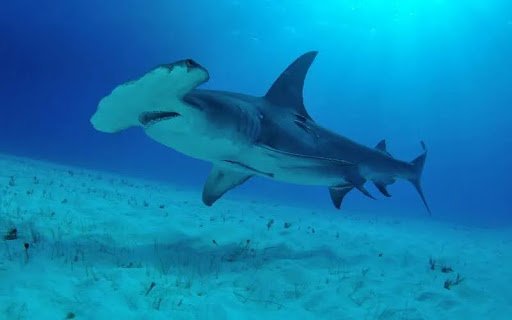
The scalloped hammerhead is the star of these dives. Its wide, hammer-shaped head sets it apart from every other shark. That strange head is also a powerful tool.
The head works like a wing for tight, fast turns. It also spreads out sensory organs for sharper hunting. Watching one bank through the water feels like watching a fighter jet.
These sharks often gather in large daytime schools. A single dive can reveal a handful or over a hundred. That social behavior makes the Maldives encounter so special.
Why the Maldives Delivers World-Class Encounters
Few places offer such steady hammerhead sightings. The Maldives ranks among the best on earth. Its geography and currents create ideal conditions.
Deep reef walls plunge straight into open ocean. Hammerheads patrol these edges at dawn. Cleaning stations on the slopes draw them in close.
The country also protects its sharks well. Shark fishing is banned across the Maldives. This keeps populations healthy and encounters consistent.
The Legendary Hammerhead Point
One site defines this experience. Hammerhead Point sits at Rasdhoo Atoll in North Ari. It is the most famous hammerhead dive in the country.
Here, divers drop into deep water at first light. Scalloped hammerheads cruise along the outer reef slope. They often appear at depths of 25 to 40 meters or more.
The channel near Madivaru also produces strong sightings. Sharks roam the blue between Rasdhoo and nearby islands. Local guides know exactly where to position you.
Other Spots Worth Exploring
Rasdhoo leads the way, but it is not alone. A few other atolls offer chances too.
Fuvahmulah in the deep south draws many shark species. Felidhoo Atoll in the east sees seasonal hammerhead action. South Ari can also surprise divers with passing schools.
Each site has its own depth and current profile. A guided trip helps you reach the best ones safely. Hammerhead encounters across these waters reward patience and planning. Many divers chase them through specialist hammerhead shark diving in the Maldives trips that target the right reef edges at the right time.
Why Dawn Is the Magic Hour
Timing decides your success with hammerheads. These sharks favor the early morning. Most trips leave before sunrise.
At dawn, hammerheads visit cleaning stations on the reef. Small fish remove parasites from their skin. This routine creates a predictable window for divers.
As light filters down, silhouettes appear in the blue. The sight builds slowly, then takes your breath away. Miss the dawn, and you often miss the sharks.
The Best Season for Hammerheads
You can see hammerheads year-round, but timing helps. Sightings peak during the northeast monsoon. This runs roughly from December to April.
Cooler water and calm seas favor these months. The eastern sides of the atolls turn productive. Rasdhoo shines most from January through March.
The southwest monsoon can still produce sightings. They simply become less predictable then. For the best odds, plan around the dry season.
Skill Level and Diving Requirements
This is not a beginner dive. Hammerhead Point demands real experience. The depth and conditions raise the stakes.
You typically need advanced certification. Deep diving skills are essential at these sites. Strong currents add another layer of challenge.
Good air management matters at depth. Conservative dive profiles keep you safe. If you are newer, build confidence on easier shark dives first.
How to Maximize Your Sighting
Hammerheads are shy and easily spooked. Your behavior shapes the encounter. Calm, controlled diving works best.
Keep these tips in mind underwater:
- Descend quietly to the recommended depth
- Settle onto the reef edge and stay low
- Breathe slowly to reduce noise and bubbles
- Avoid sudden moves that scatter the school
- Watch the open blue, not just the reef
- Follow your guide’s signals at all times
Excellent buoyancy is the key skill here. A diver who bumps the reef sends the sharks fleeing. Stillness rewards you with longer, closer views.
Staying Safe in Deep Water
Deep dives carry real risks. Respect them, and the dive stays rewarding. Preparation makes all the difference.
Plan strict safety stops on every ascent. Carry a surface marker buoy for drift exits. Make sure the boat has emergency oxygen onboard.
Never push your depth or bottom time. Stick to the plan your guide sets. The sharks are worth the discipline that safe diving demands.
Are Hammerheads Dangerous to Divers?
This question worries many first-timers. The honest answer is reassuring. Hammerheads pose little threat to people.
These sharks are not aggressive toward divers. They have no record of fatal attacks on humans. Most flee at the first sign of sudden movement.
Still, treat them with respect and caution. Keep your distance and never corner one. Calm behavior keeps both you and the shark at ease.
Photographing Hammerheads
Capturing these sharks is tough but rewarding. The deep, low light works against you. A few choices improve your results.
Skip the flash, which scares the sharks away. Use a wide-angle lens for the open scene. Stay motionless and let the school drift toward you.
Bottom time is short at these depths. Focus on the experience first, the photo second. A clear memory often beats a rushed, blurry shot.
Frequently Asked Questions
Where is the best place for hammerhead diving in the Maldives?
Hammerhead Point at Rasdhoo Atoll is the top site. Scalloped hammerheads gather there at dawn. The nearby Madivaru channel also offers strong sightings.
What time of day should I dive for hammerheads?
Early morning is best by far. Hammerheads visit cleaning stations at dawn. Most trips depart before sunrise for this reason.
Do I need advanced certification?
Yes, for the main sites. These dives reach 25 to 40 meters in current. Advanced and deep diving experience are strongly recommended.
Are hammerhead sharks dangerous?
No. Hammerheads are not aggressive toward divers. They have no record of fatal attacks. Keep your distance and stay calm.
When is hammerhead season in the Maldives?
Sightings peak from December to April. Rasdhoo is most productive from January to March. The dry season offers the calmest conditions.
Can beginners see hammerheads in the Maldives?
The main hammerhead dives suit experienced divers only. Beginners should build skills on shallower shark dives first. Good buoyancy is essential before attempting these sites.
Final Thoughts
Hammerhead shark diving in the Maldives is a true test and a true reward. It calls for advanced skills, an early start, and steady nerves. Time your trip to the dry season and dive with a trusted guide. Do that, and the sight of hammerheads in the blue will stay with you forever.
-
Biography4 months agoThe Emotional Journey of Joanne Schieble Simpson, Steve Jobs’ Biological Mother
-

News4 months agoJamal Adeen Thomas – Everything You Should Know About Clarence Thomas’ Son
-

Biography4 months agoMeet Theo Ressler: Everything You Know About Jami Gertz’s son
-
Tech3 months agoBynethi com Explained Clearly: Benefits, Risks, and What to Expect