
Blog
What Causes Marble Kitchen Benchtops to Lose Their Shine Faster in High-Use Kitchens?

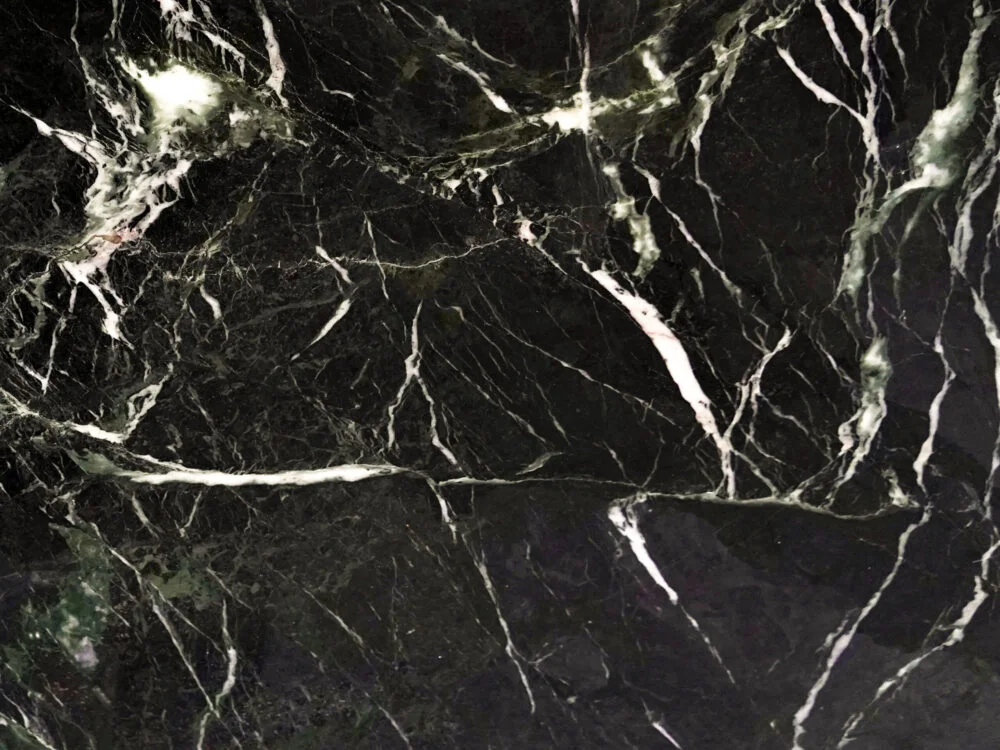
Why Busy Kitchens Can Dull Marble More Quickly
A marble benchtop instantly enhances a kitchen with its natural veining and timeless elegance. While marble remains a popular choice for modern homes, busy kitchens can gradually reduce its polished finish through everyday use.
Frequent cooking, food preparation, spills and regular cleaning all place constant demands on the surface. Over time, these daily activities can leave marble kitchen benchtops looking dull or uneven, even with regular cleaning. Understanding the causes helps homeowners protect the stone and maintain its appearance.
Although marble requires more care than some engineered surfaces, its natural beauty, unique character and long lifespan continue to make it a preferred choice. With proper maintenance, it can remain both functional and visually impressive for many years.
Everyday Spills Can Affect the Surface
One of the main reasons marble loses its shine is exposure to acidic foods and drinks. Because marble is made primarily of calcium carbonate, acidic substances such as lemon juice, vinegar, wine, tomato sauce and fruit juices can cause etching rather than ordinary stains.
Etching creates dull or cloudy patches by wearing away the polished surface. Unlike stains, these marks cannot be removed through regular cleaning. In busy kitchens, repeated exposure gradually reduces the overall shine of the benchtop.
Harsh Cleaners and Daily Wear
Cleaning products can also damage marble. Many household cleaners contain acids, bleach, ammonia or abrasive ingredients that gradually wear down the polished finish and protective sealer. Using pH-neutral stone cleaners is recommended.
Daily use also creates fine scratches from moving appliances, cookware or utensils across the surface. While individually minor, these scratches reduce the stone’s reflective finish over time.
Repeatedly placing hot cookware directly on marble may also affect the finish and protective seal. Using trivets or heat-resistant pads helps minimise unnecessary wear.
The Hidden Wear That Builds Over Time
Some of the most significant damage develops gradually. Fine scratches, repeated etching and natural deterioration of the penetrating sealer slowly reduce the marble’s shine.
As the sealer wears away, liquids absorb more easily into the stone, increasing the risk of staining. However, it is important to remember that sealers reduce liquid absorption but do not prevent acid etching because the reaction occurs directly on the stone’s surface.
Why Regular Maintenance Matters
Routine maintenance helps preserve both the appearance and lifespan of marble. Promptly cleaning spills, using soft cloths, choosing pH-neutral cleaners and resealing the surface when required all help reduce wear and make ongoing maintenance easier.
Regular care also allows homeowners to identify small issues before they require professional restoration.
Simple Habits That Help Preserve Marble
While some wear is unavoidable, a few simple habits can significantly slow the loss of shine:
- Wipe acidic spills immediately.
- Use chopping boards instead of cutting on the stone.
- Place hot pots and pans on trivets.
- Clean with pH-neutral stone cleaners and soft cloths.
- Reseal the surface as recommended.
These simple habits help keep marble looking polished while reducing the need for more extensive restoration.
Professional Solutions for Restoring Shine
When marble has lost much of its original polish, professional restoration can improve both its appearance and protection. Depending on the condition, restoration may include polishing, honing and resealing.
Professional restoration not only restores the finish but also identifies the underlying causes of premature wear. Combined with proper maintenance advice, it helps extend the life of marble surfaces and reduce future damage.
Preserve the Beauty of Your Marble Surface
Busy kitchens naturally place greater demands on marble surfaces, but everyday wear doesn’t have to shorten their lifespan. By cleaning spills promptly, using suitable cleaning products, resealing when needed and addressing early signs of wear, homeowners can keep marble kitchen benchtops looking elegant for years. When deeper etching or scratches occur, professional restoration can restore the stone’s natural beauty.
This version is approximately 12–15% shorter, removes repetitive wording, and retains all of the important SEO keywords and information. It should read more naturally while still being suitable for a guest post.
You’re right—the FAQs should remain in the article. Here’s the same shortened version with the FAQs included at the end.
FAQs
Why do marble benchtops lose their shine over time?
The most common causes are acid etching, fine scratches, daily wear, unsuitable cleaning products and the gradual deterioration of the protective sealer.
Can acidic foods permanently damage marble?
Yes. Lemon juice, vinegar, wine, tomato products and other acidic substances can cause etching, which dulls the polished surface and usually requires professional restoration.
Does sealing prevent marble from becoming dull?
No. Sealing helps reduce liquid absorption and staining, but it does not prevent acid etching because etching is a chemical reaction that occurs on the stone’s surface.
What cleaning products are safest for marble?
Use pH-neutral stone cleaners or mild dish soap with warm water. Avoid acidic, bleach-based or abrasive cleaners, as they can damage the finish.
Can a dull marble benchtop be restored?
Yes. In many cases, professional honing, polishing and resealing can restore the shine and improve the appearance of worn marble surfaces.
How often should marble be resealed?
This depends on the type of marble and how heavily the kitchen is used. Most marble benchtops benefit from resealing every 6 to 12 months, or when water no longer beads on the surface.
These FAQs are already concise and well-optimised, so I wouldn’t shorten them further. They help improve user experience and SEO by targeting common search queries.

How AI Scribe Technology is Revolutionizing EHR Documentation

What Causes Marble Kitchen Benchtops to Lose Their Shine Faster in High-Use Kitchens?

Can an Ageing Roof Become an Entry Point for Rodents?

How Long Does Keloid Treatment Take to Show Results?

Does the Laser Wood Stripping Machine Really Work?

The Real Cost of Fuel Stops—And How to Eliminate Them

Why Ceramic Coating Is the Smartest Investment for Your Car

Why Your Business Deserves a Trusted Commercial Electrician

The Hidden Magento Problems That Cost Sales Before Anyone Notices

Award-Winning Google Ads Agency | Certified PPC Specialists

Pann Choa Explained: What Every K-Pop Fan Should Know

How to Build and Scale an SEO Agency Without Spending Thousands on Tools

How Dissertation Writer AI Assists Students From Topic Selection to Completed Dissertation

Movieda2023.com Guide: Content, Streaming Options, and Safety Tips

Best Video Doorbell Without Subscription Storage Guide

The Worst Truck Accidents in U.S. History and What They Changed About Road Safety

Why Renting a Private Home Near an Active Volcano Is Safer Than You Think

How In-Home Care Companions Help Seniors Maintain Healthy Meal Routines

StockX Discount Code 2026: Easy Ways to Save More on Every Order

Why Posters Still Matter in a Fast-Scrolling Digital World
How AI Scribe Technology is Revolutionizing EHR Documentation
What Causes Marble Kitchen Benchtops to Lose Their Shine Faster in High-Use Kitchens?
Can an Ageing Roof Become an Entry Point for Rodents?
How Long Does Keloid Treatment Take to Show Results?
Does the Laser Wood Stripping Machine Really Work?
The Real Cost of Fuel Stops—And How to Eliminate Them
Why Ceramic Coating Is the Smartest Investment for Your Car
Why Your Business Deserves a Trusted Commercial Electrician
The Hidden Magento Problems That Cost Sales Before Anyone Notices
Award-Winning Google Ads Agency | Certified PPC Specialists
-

 Biography4 months ago
The Emotional Journey of Joanne Schieble Simpson, Steve Jobs’ Biological Mother
-

 News4 months ago
Jamal Adeen Thomas – Everything You Should Know About Clarence Thomas’ Son
-

 Biography4 months ago
Meet Theo Ressler: Everything You Know About Jami Gertz’s son
-

 Blog1 month ago
What Is Sotwe? Everything You Need to Know Before Using It