Health
How In-Home Care Companions Help Seniors Maintain Healthy Meal Routines
Meal routines are among the very first things to be affected by aging. Not because one stops caring about themselves altogether, but because life generally gets harder in quiet ways. Standing at the stove may feel a tad scarier. Grocery trips may sap a little more energy. Medications may change taste buds. Eating alone could extinguish appetite. With all that happening, seniors may start making easier, albeit dangerous choices. Their source of nutrition may slowly shift to snacks, skipping proper meals could become a habit, and the dangers of not drinking enough water could manifest. According to the Illinois Department on Aging, over 16% of seniors live with a high risk of malnutrition.
This is where a good In-home care companion can make a perceptible difference. They help to choose meal plan for seniors and set a predictable schedule. They make the kitchen safer. They also keenly notice and identify problems early, before they become urgent calls.
What meal support means in companion care?
A care companion for elderly won’t suggest diet routines. They don’t make those calls. They just ensure healthy routines are carried out with the required attention to detail and the compassionate approach that keeps seniors motivated. Visiting Angels Leesburg caregivers are trained to do all that and more. Here’s what companions commonly do:
1) Build a repeatable daily schedule
A steady routine brings consistency, avoiding undue setbacks or a freefall towards unhealthy habits. A basic routine involves healthy and frequent:
- Breakfasts
- Lunchs
- Afternoon snacks
- Dinners
2) Make meals easy to start
Sometimes older adults skip meals simply owing to indecision. Companions reduce that decision fatigue by keeping go-to meals ready.
3) Prepare the “small chores” that make eating healthier
This is the fine work that families don’t always see:
- washing fruit
- cutting soft vegetables
- portioning snacks
- labeling leftovers
- setting up plates and water
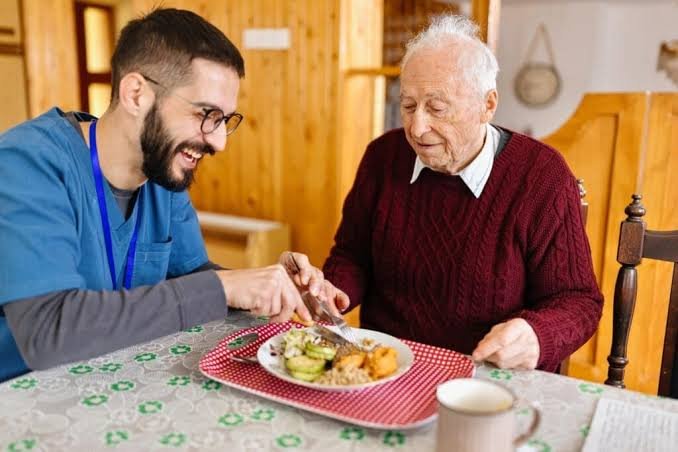
4) Sit and eat with the senior
It may sound simple, but seniors often eat more heartily when someone is present.
5) Keep hydration steady
A companion can offer water, tea, soup, fruit, or smoothies to ensure that the seniors stay hydrated and fulfilled.
6) Watch for warning signs
A good companion is always observant and plays a proactive role. They notice the following tell-tale signs in seniors:
- Loss of appetite
- Sudden weight loss
- Coughing while eating
- Avoiding certain textures
- Confusion that’s getting worse
Early diagnosis means a better chance of beating emergencies.
How do care companions create meal plans for seniors?
A “meal plan” shouldn’t be treated in isolation or as an afterthought. Beyond the diet charts, it must work like a realistic system that protects a senior’s wellbeing.
Step 1: Start with what the senior will eat
Even the most perfect plan is destined to fail if it isn’t followed. That’s why it is important to involve the seniors in their dietary input. Companions often ask the following questions to maximize participation:
- What are the five meals you like the best?
- What foods are easier to chew?
- What do you refuse to eat?
- What time do you feel hungry?
Once that information has been collected, it provides the foundation for the plan.
Step 2: Pick repeatable meals
Remember that Seniors don’t need new recipes every day. They need consistency to stay healthy.
Examples of repeatable meals include:
- oatmeal with banana
- scrambled eggs and toast
- soup and sandwich
- yogurt with granola
- rice with soft vegetables and chicken
- pasta with simple sauce and side salad
Step 3: Plan “backup foods” for low appetite days
Low appetite can happen, but seniors still need their strength to carry out their daily activities. On low appetite days, you can consider including the following:
- yogurt
- eggs
- smoothies (if safe)
- soup
- applesauce
- peanut butter toast
- cheese and crackers
Step 4: Align your grocery list with the plan
Even the best meal plan is worthless if the fridge is empty. Companions help maintain a list that supports the routine.
A simple grocery list structure:
- proteins (eggs, chicken, tuna, beans, yogurt)
- easy fruits (bananas, berries, applesauce cups)
- soft vegetables (frozen mixed veg, spinach, carrots)
- simple carbs (rice, bread, oatmeal, pasta)
- hydration (tea, broth, fruit, yogurt)
Step 5: Set the kitchen up perfectly
This may sound rudimentary, but it matters more than people imagine:
- Keep the senior’s favorite foods at eye level
- keep heavy items low (not overhead)
- Keep a clear counter space for meal prep
- Label leftovers with “Lunch” or “Dinner.”
That’s how routines become repeatable.
Meal prep habits that work the best
Big meal prep days may not always work well for seniors. Simple preparations matter due to their simplicity and readability. Here are companion-friendly strategies:
Small-batch cooking
- Make soup for 2–3 days
- Cook chicken for two meals, not ten
- Prep one pot of rice for quick lunches
Portion snacks into grab-and-go containers
When food is easy to grab, seniors eat more consistently.
Good snack options:
- yogurt
- fruit cups
- cheese sticks
- hummus and crackers
- boiled eggs
- nuts (if safe)
Label leftovers clearly
Instead of “mystery containers,” label:
- “Tue Lunch”
- “Wed Dinner”
This reduces waste and confusion.
Hydration support that doesn’t feel annoying
Seniors often drink less because:
- they forget
- they don’t feel thirsty
- they fear bathroom trips
Companions use simple tricks:
- drink offered with every meal
- a drink placed in the same spot every day
- “hydrating foods” like soup, fruit, yogurt
- more fluids earlier in the day, less late at night
Dehydration can cause dizziness and confusion. Hydration is safety.
Special Situations That Need Extra Attention
Dementia and eating
A senior with memory loss may:
- forget they are eating
- get distracted and walk away
- refuse food because they don’t recognize it
Companions often help by:
- turning off loud TV
- serving one food at a time
- keeping the table simple
- using the same mealtime routine daily
This is another place companion care for elderly seniors can protect routine and calm.
Diabetes or heart conditions
A companion can support habits like consistent meal timing and healthier snacks. The medical “rules” should come from the doctor or dietitian.
Swallowing or choking concerns
If a senior coughs a lot during meals, pockets food, or avoids swallowing, that’s a red flag. It’s time to talk to a clinician about a swallowing evaluation.
What You Can Do Between Companion Visits
You don’t need a perfect system. You need a workable one.
Keep easy foods visible
If food is hidden, it won’t be eaten. Keep simple foods at eye level.
Create a “meal station”
Keep plates, cups, utensils, napkins in one consistent spot.
Use a simple weekly structure
Example:
- Mon Wed Fri: soup + sandwich
- Tue Thu: eggs + toast or pasta
- Weekend: family meal or simple delivery
Consistency beats complexity.
How to Know the Plan is Working
You’ll see it in small changes:
- fewer skipped meals
- steadier energy
- fewer dizziness complaints
- less “I don’t know what to eat”
- a safer kitchen setup
- better mood during the day
If appetite drops suddenly or weight loss continues, involve the doctor.
Conclusion
Healthy meal routines keep seniors stronger, steadier, and safer at home. A companion supports those routines by making meals predictable, easier to start, and easier to finish. They also reduce kitchen risks and add something that matters more than most people admit at the table.
FAQs
Do companions decide the meal plan alone?
No. They build it around what the senior likes and what the family and doctor recommend.
Does companion care include cooking?
Often yes for simple meals, depending on the care plan and provider.
What if my parents refuse to eat?
Start with smaller meals, favorite foods, fewer distractions, and shared mealtime. Sudden appetite loss should be discussed with a doctor.
Can companion care help with dementia eating problems?
Yes. Routine, calm setup, and fewer distractions often help.
-
Biography4 months agoThe Emotional Journey of Joanne Schieble Simpson, Steve Jobs’ Biological Mother
-

News3 months agoJamal Adeen Thomas – Everything You Should Know About Clarence Thomas’ Son
-
Biography4 months agoMeet Theo Ressler: Everything You Know About Jami Gertz’s son
-
Tech2 months agoBynethi com Explained Clearly: Benefits, Risks, and What to Expect