
Tech
How AI Scribe Technology is Revolutionizing EHR Documentation

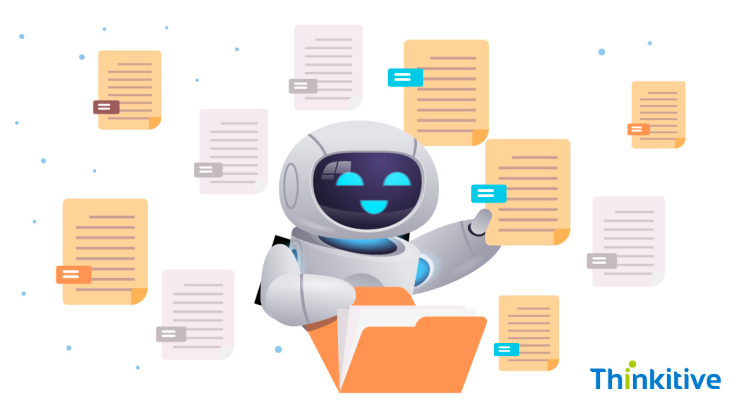
The U.S. healthcare industry generates almost billions of clinical documents every year, and most of that relies heavily on physicians manually entering information into EHR systems.
What starts as a strategic way to digitize patient records has now evolved into one of the biggest administrative challenges in modern healthcare. Today, many providers spend a significant part of their day documenting care rather than delivering it.
The effects are hard to ignore. Lengthy charting requirements can slow down workflows, minimize face-to-face patient interaction, and contribute to increasing clinical stress levels. As healthcare organizations search for effective clinical burnout solutions, many providers start to adopt artificial intelligence to lighten the documentation burden.
AI-powered tools are changing how clinical information is captured and recorded, from generating automated SOAP notes to enabling real-time documentation through an ambient AI medical scribe.
With this growing shift, custom EHR software development is increasingly focused on integrating AI-powered documentation capabilities. Healthcare organizations investing in custom EHR and EMR software development are exploring these capabilities to improve efficiency, reduce administrative workloads, and enhance the overall provider experience.
AI scribes can help providers spend less time on paperwork and more time focused on patient care by reducing manual charting and streamlining workflows.
Let’s explore how AI scribe technology works, the benefits it brings to healthcare providers, and the role it plays in creating more efficient and patient-centered clinical workflows.
Why Traditional EHR Documentation Is a Growing Problem
The main problem with traditional EHR documentation is that it takes too much time. For example, every patient visit requires notes, record updates, billing information, and other documentation tasks. By the end of the day, rather than focusing on patient care, physicians can end up spending hours just to complete charts.
For many providers, the work does not stop when the clinic closes, as unfinished documentation frequently follows them home, creating longer workdays and adding to stress. Ultimately, this constant paperwork burden becomes one of the key reasons why healthcare organizations are searching for effective clinical burnout solutions.
Furthermore, documentation can also affect the patient experience. Physicians have less time to engage with patients when they are busy typing notes and clicking through EHR screens during appointments. And due to this, visits can feel less personal and more focused on the computer rather than conversation.
The impact extends beyond physicians. Delayed documentation can result in slowing down billing, incomplete records can create compliance concerns, and ongoing burnout can lead to staff turnover. This is the primary reason why many healthcare organizations are looking for faster and smarter ways to manage documentation without adding any extra work to already busy clinical teams.
What Is Ambient AI Scribe Technology?
It’s necessary for you to know how AI scribes work, to understand why AI scribes are gaining momentum. An ambient AI medical scribe is a strategic tool that has the ability to listen to conversations between providers and patients during a visit and can automatically create clinical documentation.
Rather than typing notes throughout the appointment, physicians can simply focus on the conversation while the AI can capture important details in the background.
By converting spoken conversations into text, identifying relevant clinical information, and organizing it into structured notes, the technology works. It can also generate automated SOAP notes while helping providers to complete documentation much faster than traditional methods.
An ambient AI scribe does much more than simply recording or transcribing conversations. For example, traditional dictation tools require physicians to speak their notes aloud; on the other hand, human scribes require physicians to manually enter information into the EHR. However, an ambient AI medical scribe can understand the conversation as it happens, while creating a documentation draft automatically.
Simply put, it acts like a virtual documentation assistant working silently in the background, while helping providers to spend less time on charting and more time engaging with patients.
How AI Scribes Are Transforming EHR Documentation
AI scribes can reduce the time physicians spend creating documentation. Providers receive a draft note generated from the patient conversation, rather than writing notes from scratch after each appointment. In many cases, automated SOAP notes are ready for review shortly after the visit ends, by allowing physicians to make quick edits and move on to the next patient.
Even though this change looks simple, it has a significant impact on daily workflows. Providers can complete documentation much faster, instead of spending hours catching up on charts at the end of the day. In fact, one of the most effective answers to how to improve physician charting efficiency with AI is to eliminate as much manual data entry as possible.
For example, a physician who sees multiple patients throughout the day may no longer have a growing stack of unfinished notes waiting to be completed after clinic hours. With an ambient AI medical scribe working in the background, documentation is created during the visit, helping providers stay on top of their charting responsibilities.
AI scribes can also improve documentation quality. Because notes are generated from the actual patient-provider conversation, important details are less likely to be forgotten. At the same time, physicians can spend more time listening to patients and less time looking at a computer screen. The result is a smoother documentation process, better patient interactions, and a more efficient clinical workflow overall.
Key Benefits for Healthcare Organizations
The benefits extend well beyond individual convenience. The clearest is reduced physician burnout and after-hours charting. In studies of ambient documentation tools, organizations have reported large drops in burnout — Mass General Brigham, for instance, saw burnout prevalence fall by more than 20 percentage points among participating clinicians, and multi-site research found providers reporting lower cognitive load and higher work satisfaction after adoption. In one 2025 evaluation across six health systems, more than eight in ten providers said the tool improved how they communicated with patients and lifted their overall work satisfaction.
Operationally, faster and more complete notes mean cleaner claims and stronger billing support, because documentation that captures the full encounter supports appropriate coding. Improved documentation accuracy also raises healthcare data quality across the EHR, which matters for care coordination, quality reporting, and population health.
Finally, time returned to clinicians can translate into capacity. When charting no longer spills into the evening, some practices choose to add appointment slots, expanding access and revenue without adding providers. For administrators and decision-makers, that combination — lower burnout, better data, and room to grow — is what makes the technology compelling.
Security, Integration, and Implementation Considerations
Because these tools handle protected health information, HIPAA compliance is non-negotiable. Buyers should confirm how audio and text are encrypted, where data is processed and stored, whether recordings are retained or discarded, and whether the vendor will sign a Business Associate Agreement. Secure, auditable handling of patient data should be a baseline requirement, not an upgrade.
Integration is the next consideration. A scribe who produces a great note but cannot push it into the chart only adds a copy-paste step. The strongest deployments integrate directly with major EHR systems such as Epic and Cerner, so finished notes, orders, and codes flow into the right fields automatically. Organizations evaluating options should verify integration with their specific EHR before committing.
Just as important is human oversight. AI-generated notes are drafts, not final records. The clinician remains responsible for reviewing every note, correcting errors, and signing off. Building that review step into the workflow protects accuracy and keeps accountability where it belongs. Practices that want help designing this kind of workflow often work with specialists in ambient AI medical scribing to fit the tool to their clinical reality.
The Future of AI-Powered Clinical Documentation
The trajectory is clear. Generative AI is moving deeper into healthcare workflows, and documentation is only the entry point — the same systems are beginning to draft referral letters, summarize patient histories, and suggest billing codes for clinician review.
Voice-first and multilingual capabilities are expanding access, too. As models handle more languages and dialects, ambient scribes can support diverse patient populations and reduce the documentation strain of interpreted visits. Over time, AI medical transcription software for healthcare providers will grow smarter and more specialized, tuning itself to specific specialties and note styles rather than offering one generic template.
Conclusion
The case for change is hard to ignore. Documentation has quietly become one of the largest burdens in modern medicine, and the evidence shows that AI scribes revolutionizing EHR documentation can give clinicians back meaningful time while improving the quality and completeness of the record. The result is a better experience on both sides of the visit — providers who are less exhausted and patients who feel heard.
For healthcare leaders, AI-powered documentation is shifting from a nice-to-have experiment to an operational necessity, much as the EHR itself once did. As part of modern EHR development, organizations looking to modernize their documentation workflows are increasingly exploring solutions from healthcare technology innovators such as Thinkitive.
The organizations that adopt AI scribes thoughtfully with strong security, real EHR integration, and disciplined human review — stand to reduce administrative burden and improve patient care at the same time. That is a rare combination, and it is why this technology is reshaping clinical documentation faster than almost any tool before it.
Frequently Asked Questions
- What is an ambient AI medical scribe?
It is software that listens to a clinical visit and automatically drafts a structured note using speech recognition, NLP, and generative AI — with no typing or in-room human scribe required.
- How do AI scribes improve EHR documentation?
They generate notes in real time from the conversation, cutting manual data entry, speeding chart completion, and letting clinicians review and sign rather than build notes from scratch.
- Can automated SOAP notes reduce physician burnout?
Yes. By removing much of the after-hours charting burden, studies of ambient documentation tools have linked them to meaningful reductions in clinician burnout and cognitive load.
- Are AI medical transcription tools HIPAA compliant?
Reputable tools are built for HIPAA compliance, with encryption and Business Associate Agreements, but buyers should verify each vendor’s data handling, storage, and retention practices.
- Can AI scribes integrate with Epic and Cerner systems?
Many leading solutions integrate directly with major EHRs like Epic and Cerner so notes flow into the chart automatically. Confirm support for your specific EHR before adopting.
- How accurate are AI-generated clinical notes?
Accuracy is high because notes are built from the actual conversation, but the output is a draft. Clinician review remains essential to catch any errors before signing.
- What are the benefits of AI-powered clinical documentation?
Less after-hours charting, lower burnout, faster and cleaner notes for billing, better data quality, stronger patient engagement, and potential capacity for more appointments.
- How does human review improve AI documentation accuracy?
The clinician verifies and corrects each draft before signing, ensuring clinical accuracy and accountability and catching any misinterpretation by the AI.

How AI Scribe Technology is Revolutionizing EHR Documentation

What Causes Marble Kitchen Benchtops to Lose Their Shine Faster in High-Use Kitchens?

Can an Ageing Roof Become an Entry Point for Rodents?

How Long Does Keloid Treatment Take to Show Results?

Does the Laser Wood Stripping Machine Really Work?

The Real Cost of Fuel Stops—And How to Eliminate Them

Why Ceramic Coating Is the Smartest Investment for Your Car

Why Your Business Deserves a Trusted Commercial Electrician

The Hidden Magento Problems That Cost Sales Before Anyone Notices

Award-Winning Google Ads Agency | Certified PPC Specialists

Pann Choa Explained: What Every K-Pop Fan Should Know

How to Build and Scale an SEO Agency Without Spending Thousands on Tools

How Dissertation Writer AI Assists Students From Topic Selection to Completed Dissertation

Movieda2023.com Guide: Content, Streaming Options, and Safety Tips

Best Video Doorbell Without Subscription Storage Guide

The Worst Truck Accidents in U.S. History and What They Changed About Road Safety

How In-Home Care Companions Help Seniors Maintain Healthy Meal Routines

Why Renting a Private Home Near an Active Volcano Is Safer Than You Think

StockX Discount Code 2026: Easy Ways to Save More on Every Order

Why Posters Still Matter in a Fast-Scrolling Digital World
How AI Scribe Technology is Revolutionizing EHR Documentation
What Causes Marble Kitchen Benchtops to Lose Their Shine Faster in High-Use Kitchens?
Can an Ageing Roof Become an Entry Point for Rodents?
How Long Does Keloid Treatment Take to Show Results?
Does the Laser Wood Stripping Machine Really Work?
The Real Cost of Fuel Stops—And How to Eliminate Them
Why Ceramic Coating Is the Smartest Investment for Your Car
Why Your Business Deserves a Trusted Commercial Electrician
The Hidden Magento Problems That Cost Sales Before Anyone Notices
Award-Winning Google Ads Agency | Certified PPC Specialists
-

 Biography4 months ago
The Emotional Journey of Joanne Schieble Simpson, Steve Jobs’ Biological Mother
-

 News4 months ago
Jamal Adeen Thomas – Everything You Should Know About Clarence Thomas’ Son
-

 Biography4 months ago
Meet Theo Ressler: Everything You Know About Jami Gertz’s son
-
 Blog1 month ago
What Is Sotwe? Everything You Need to Know Before Using It