Connect with us

Business

The Hidden Costs of Ignoring an Electrical Emergency at Home

Published

on

Electrical Emergency

Electricity is one of those things you never think about—until something goes wrong. A tripped breaker at midnight, sparks behind an outlet, or lights flickering without explanation. These aren’t just annoyances. Left unaddressed, they can escalate into serious safety hazards faster than most homeowners realize.

That’s the uncomfortable truth about electrical emergencies: they rarely announce themselves with enough warning. And the gap between “I’ll deal with it tomorrow” and a house fire or complete power failure can be dangerously short.

This post breaks down what constitutes a real electrical emergency, why acting fast matters, and how professional emergency electrical services protect your home, your appliances, and most importantly, your family.

What Actually Counts as an Electrical Emergency?

Not every electrical hiccup demands an urgent call. A blown light bulb doesn’t. But several situations absolutely do—and many homeowners underestimate them.

Signs you need immediate help:

  • Burning smell near outlets, panels, or walls
  • Sparks or visible scorch marks on outlets or switches
  • Circuit breakers that trip repeatedly, even after resetting
  • Complete loss of power to part or all of your home
  • Buzzing, crackling, or popping sounds from electrical fixtures
  • Hot outlets or switch plates
  • Electric shocks when touching appliances or switches

Any one of these symptoms points to an underlying fault that needs professional diagnosis—not a DIY fix and not a wait-and-see approach. Electrical faults are a leading cause of residential fires, according to the National Fire Protection Association (NFPA), which reports that home electrical fires account for an estimated 51,000 fires annually in the US alone.

Why DIY Fixes Make Electrical Emergencies Worse

It’s tempting to reset a breaker, swap an outlet, or follow a YouTube tutorial when something electrical goes wrong. The issue is that visible symptoms are often surface-level indicators of deeper faults—faulty wiring hidden inside walls, overloaded circuits, or deteriorating insulation that’s been degrading for years.

Attempting repairs without professional training doesn’t just risk injury. It can void homeowner insurance policies, breach local building codes, and create conditions that make future failures more likely—and more dangerous.

Certified electricians carry diagnostic tools and the training to trace faults to their source, not just patch over the symptoms. The difference between a quick fix and a proper repair isn’t just cosmetic. It’s the difference between a problem solved and a problem delayed.

How Fast Response Time Changes the Outcome

In electrical emergencies, time is a genuine variable in the outcome. A fault left active overnight—whether it’s arcing wiring or an overloaded panel—creates hours of additional risk. Smoke, heat damage to walls, and appliance damage can all compound while a homeowner waits for a next-day appointment.

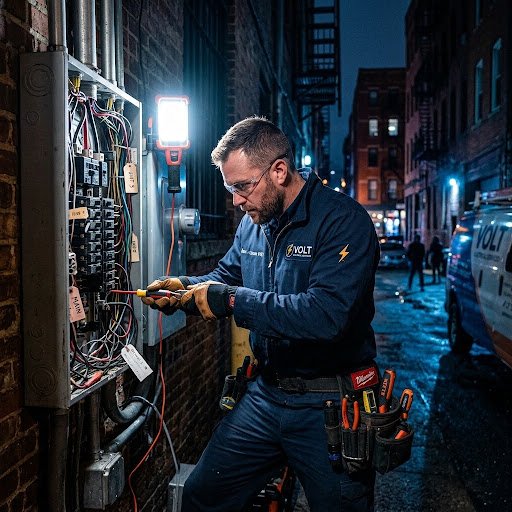
Emergency electrical services exist precisely for this reason. Rather than leaving residents to manage a live hazard through the night, a rapid-response electrician can arrive, assess, and either resolve the fault or make the situation safe until full repairs can be completed.

Homes with young children, elderly occupants, or medical equipment that requires stable power face an even greater need for fast-turnaround electrical response. In those cases, a same-night repair isn’t just convenient—it’s essential.

What to Expect From a Professional Emergency Electrical Service

A strong emergency electrical service does more than just show up. Here’s what quality looks like in practice:

Rapid dispatch: Arrival windows measured in hours, not days. The best services operate around the clock, including weekends and public holidays.

Thorough diagnosis: A professional won’t just reset your breaker and leave. They’ll trace the fault, test the circuit, and confirm the root cause before declaring it resolved.

Transparent pricing: Emergency work shouldn’t come with surprise invoices. Reputable services communicate callout fees and labor rates upfront.

Licensed and insured technicians: Every technician sent to your home should hold current licensing and carry liability insurance. This protects you if anything goes wrong during the repair process.

Clear documentation: A written report of the fault, the repair performed, and any recommendations for follow-up work gives homeowners something concrete to keep on file—useful for insurance purposes and future reference.

Protecting Your Home Before the Next Emergency Strikes

Reactive responses are necessary when something goes wrong—but proactive electrical maintenance is what prevents most emergencies from occurring in the first place.

Annual electrical inspections catch problems like aging wiring, undersized panels, and degraded insulation before they become crises. Homes older than 25 years, in particular, may be running on electrical infrastructure that wasn’t designed to handle the load of modern appliances, smart devices, and high-draw equipment like EV chargers or home offices.

A few practical steps every homeowner should take:

  • Know the location of your main electrical panel and confirm each circuit is correctly labeled
  • Test smoke and carbon monoxide detectors every six months
  • Avoid daisy-chaining power strips—this is a common cause of overloads
  • Replace two-prong outlets with properly grounded three-prong alternatives
  • Schedule a professional inspection if your home hasn’t had one in the past few years

Prevention isn’t about living in fear of electrical faults. It’s about giving your home the same attention you’d give your car—regular check-ups that extend its life and catch problems early.

ResQmedics: Ready to Respond When It Counts

Electrical emergencies don’t follow business hours. They happen on Saturday nights, during storms, and in the middle of the night when options feel limited and stress runs high.

Emergency Electrician services give homeowners direct access to licensed professionals who can diagnose faults, restore power safely, and prevent minor issues from turning into major damage—available whenever an urgent situation demands a reliable, qualified response at your door.

ResQmedics operates with the understanding that speed and quality aren’t mutually exclusive. Fast dispatch gets a technician to your home quickly. Rigorous training ensures the work they do meets code, holds up over time, and actually solves the problem rather than masking it.

Whether it’s a full power outage, a sparking outlet, or something you can’t quite explain but know doesn’t feel right—ResQmedics is equipped to handle it.

Electrical Safety Is Not a Compromise Worth Making

Electrical faults don’t give second chances. The margin between a close call and a serious outcome is often nothing more than how quickly a qualified professional gets involved.

Homeowners who treat electrical warning signs seriously—who call for help rather than waiting it out—consistently see better outcomes. Less damage, lower repair costs, and most importantly, preserved safety for everyone in the home.

If something in your home’s electrical system seems off, trust that instinct. The cost of a professional assessment is a fraction of what an unaddressed fault can ultimately cost. ResQmedics makes that professional help accessible, fast, and dependable—because when it comes to electrical emergencies, the right response time makes all the difference.

Frequently Asked Questions

What qualifies as an electrical emergency?
Any situation involving sparks, burning smells, repeated breaker trips, power loss, hot outlets, or electric shocks qualifies as an emergency requiring immediate professional attention.

Is it safe to stay home during an electrical emergency?
It depends on the severity. If there is any smell of burning, visible sparking, or signs of fire, evacuate and call emergency services first. For issues like partial power loss or a tripping breaker, staying home is generally safe—but the fault should still be assessed promptly by a licensed electrician.

Can I reset my breaker if it keeps tripping?
You can reset it once to check if it holds. If it trips again, do not keep resetting it. Repeated tripping signals an underlying fault—overloaded circuit, short circuit, or failing breaker—that needs professional diagnosis.

How quickly can ResQmedics respond to an electrical emergency?
ResQmedics provides rapid-response emergency electrical services, with dispatch available around the clock to ensure a licensed technician reaches your home as quickly as possible.

How do I prevent electrical emergencies in the future?
Annual electrical inspections, proper appliance usage, avoiding outlet overloads, and updating older wiring are the most effective prevention measures. A licensed electrician can assess your home’s current infrastructure and flag any risks.


Continue Reading

Trending