
Business
Can an Ageing Roof Become an Entry Point for Rodents?

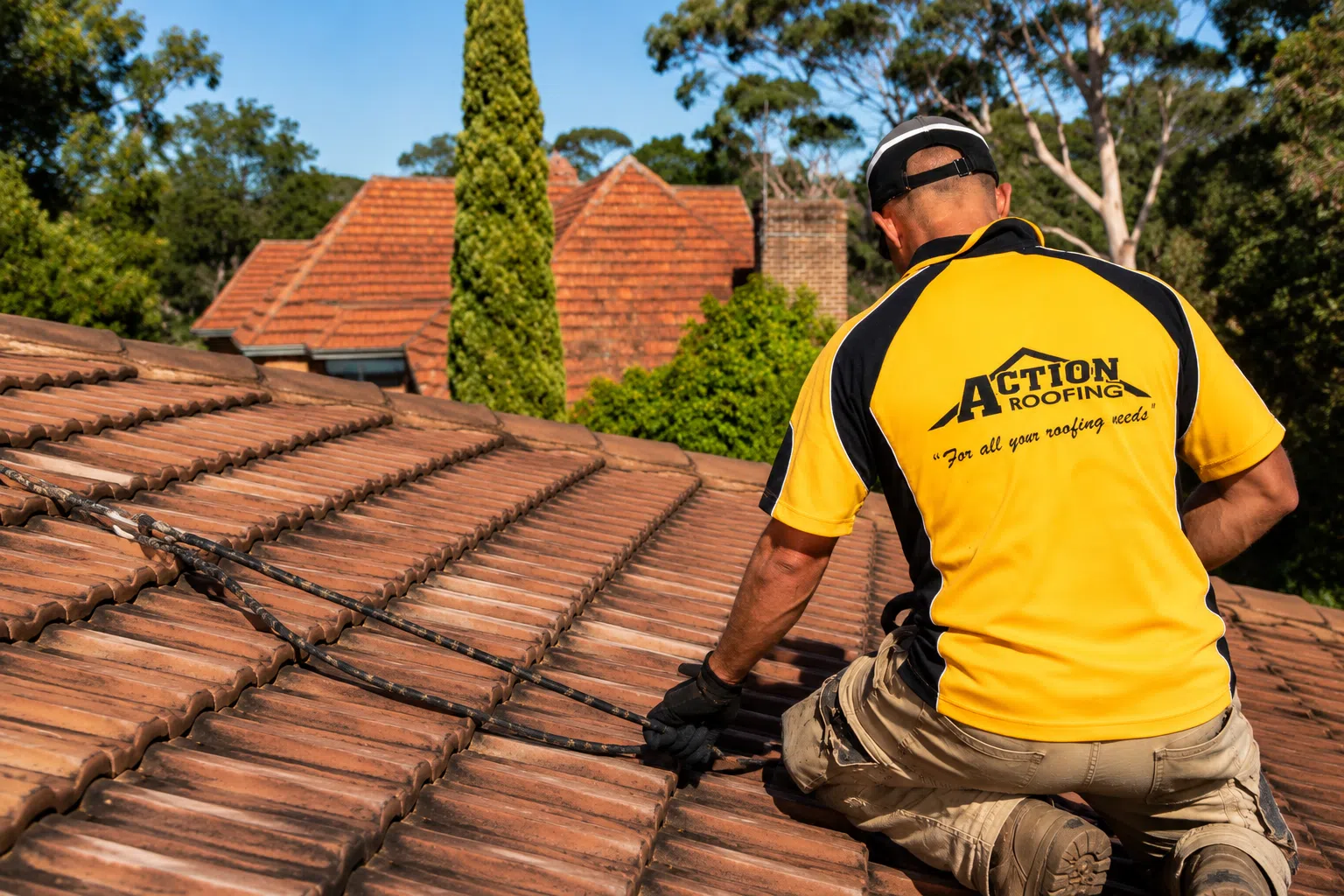
How an Older Roof Can Invite Unwanted Visitors
An ageing roof does more than affect the appearance of a home. As roofing materials deteriorate over time, small gaps, loose fittings and weather-related damage can create easy access points for rodents searching for food, warmth and shelter. What may begin as a barely noticeable crack or lifted tile can eventually become an entry route into the roof cavity.
Many homeowners only discover the problem after hearing scratching sounds above the ceiling or finding droppings in the roof space. By this stage, rodents may have already established nests and caused damage that extends beyond the roof itself. Regular roof maintenance is therefore an important part of preventing pest infestations as well as protecting the structural integrity of the property.
Common Roof Entry Points That Need Attention From Roofers in Sydney
As roofs age, several components become vulnerable to wear and damage. Cracked or slipped roof tiles are among the most common problems, leaving small openings that rodents can exploit. Damaged flashing around chimneys, skylights and roof intersections can also create hidden gaps that provide direct access to roof voids.
Roof vents deserve particular attention because damaged covers or missing screens can allow rodents to enter while remaining difficult to detect from ground level. Deteriorating eaves, soffits and fascia boards are equally vulnerable, especially when exposed to years of weathering. Even small separations where different roofing materials meet can become access points.
This is why inspections by experienced Roofers in Sydney are valuable when signs of ageing begin to appear. Professional roof assessments can identify structural weaknesses that may otherwise go unnoticed until rodents have already entered the property.
Why Rodents Target Roofs and Why Rat Control Matters
Roof spaces provide an ideal environment for rodents. They are warm, dry, protected from predators and generally undisturbed for long periods. Roof cavities also contain insulation and other materials that rodents may use for nesting.
Rats are particularly skilled climbers. They can scale brick walls, pipes, fences, utility cables and nearby trees before reaching the roofline. Once there, they search for weak points such as open eaves, loose flashing, damaged vents or gaps around service penetrations. Even relatively small openings may be enough for them to gain entry.
Prompt Rat control is important because rodents can reproduce quickly. A small problem can develop into a larger infestation if access points remain open. Simply removing the rodents without repairing the roof may result in repeated infestations, as new animals can continue using the same entry routes.
The Risks of Ignoring the Problem
Rodents inside roof cavities can cause damage that extends well beyond the initial entry point. One of the first areas affected is insulation. Rats may tear insulation apart to create nests, reducing its effectiveness and increasing heat loss or gain throughout the home.
Contamination is another concern. Rodent droppings and urine can accumulate inside roof spaces, creating unpleasant odours and hygiene risks. These contaminants may also spread through ceiling cavities or ventilation systems if left unaddressed.
Electrical wiring presents another significant risk. Rodents gnaw regularly, and electrical cables can become targets. Damaged wiring may increase the likelihood of electrical faults and should be assessed by a qualified electrician.
Structural damage can also occur over time. Continuous chewing, nesting and movement within roof spaces may affect timber framing, stored belongings and other building materials. When left unchecked, repair costs can increase substantially.
Combining Roof Repairs With Rodent Prevention
Addressing an ageing roof involves more than replacing damaged tiles. Effective long-term protection usually requires both structural repairs and rodent exclusion measures.
A comprehensive inspection should identify all potential entry points, including damaged flashing, vent openings, deteriorated soffits, cable penetrations and loose roofing materials. Once rodents have been removed, these vulnerable areas should be repaired or sealed using durable materials that resist chewing and weather exposure. Metal mesh and properly installed flashing generally provide more reliable protection than temporary fillers alone.
Vegetation should also be considered during the inspection. Overhanging branches, climbing vines and nearby utility lines can provide convenient pathways for rodents to reach the roof. Reducing these access routes can lower the likelihood of future infestations.
Address Roof Damage Before It Becomes a Bigger Issue
An ageing roof should not be viewed solely as a roofing problem. Small defects can become entry points for rodents, leading to contamination, structural damage and costly repairs inside the home.
Regular roof inspections, timely maintenance and prompt repairs help preserve both the condition of the roof and the safety of the property. When signs of rodent activity appear, combining professional roof repairs with a thorough rodent inspection and exclusion plan provides a more effective long-term solution than treating either issue independently.
Taking action early reduces the risk of repeated infestations and helps keep the roof secure for years to come.
FAQs
Can rodents really enter through small roof gaps?
Yes. Rats and mice can squeeze through small openings, making cracked tiles, damaged vents and gaps around flashing potential entry points.
What roof areas are most vulnerable to rodent entry?
Common access points include cracked roof tiles, damaged flashing, roof vents, deteriorated eaves, soffits, fascia boards and gaps around utility penetrations.
How do rats get onto the roof?
Rats are skilled climbers and often use walls, pipes, fences, cables and overhanging tree branches to reach rooflines.
What damage can rodents cause inside roof spaces?
They can damage insulation, chew electrical wiring, contaminate roof cavities with droppings and urine and create nests that affect building materials.
Will removing rodents solve the problem permanently?
Not always. If entry points remain open, new rodents may enter through the same gaps. Sealing access points is an essential part of long-term prevention.
How often should an ageing roof be inspected?
Roofs should be inspected periodically, particularly after severe weather or when signs of ageing, leaks or rodent activity become apparent. Early maintenance can help prevent more extensive repairs later.

How AI Scribe Technology is Revolutionizing EHR Documentation

What Causes Marble Kitchen Benchtops to Lose Their Shine Faster in High-Use Kitchens?

Can an Ageing Roof Become an Entry Point for Rodents?

How Long Does Keloid Treatment Take to Show Results?

Does the Laser Wood Stripping Machine Really Work?

The Real Cost of Fuel Stops—And How to Eliminate Them

Why Ceramic Coating Is the Smartest Investment for Your Car

Why Your Business Deserves a Trusted Commercial Electrician

The Hidden Magento Problems That Cost Sales Before Anyone Notices

Award-Winning Google Ads Agency | Certified PPC Specialists

Pann Choa Explained: What Every K-Pop Fan Should Know

How to Build and Scale an SEO Agency Without Spending Thousands on Tools

How Dissertation Writer AI Assists Students From Topic Selection to Completed Dissertation

Movieda2023.com Guide: Content, Streaming Options, and Safety Tips

Best Video Doorbell Without Subscription Storage Guide

The Worst Truck Accidents in U.S. History and What They Changed About Road Safety

How In-Home Care Companions Help Seniors Maintain Healthy Meal Routines

Why Renting a Private Home Near an Active Volcano Is Safer Than You Think

StockX Discount Code 2026: Easy Ways to Save More on Every Order

Why Posters Still Matter in a Fast-Scrolling Digital World
How AI Scribe Technology is Revolutionizing EHR Documentation
What Causes Marble Kitchen Benchtops to Lose Their Shine Faster in High-Use Kitchens?
Can an Ageing Roof Become an Entry Point for Rodents?
How Long Does Keloid Treatment Take to Show Results?
Does the Laser Wood Stripping Machine Really Work?
The Real Cost of Fuel Stops—And How to Eliminate Them
Why Ceramic Coating Is the Smartest Investment for Your Car
Why Your Business Deserves a Trusted Commercial Electrician
The Hidden Magento Problems That Cost Sales Before Anyone Notices
Award-Winning Google Ads Agency | Certified PPC Specialists
-

 Biography4 months ago
The Emotional Journey of Joanne Schieble Simpson, Steve Jobs’ Biological Mother
-

 News4 months ago
Jamal Adeen Thomas – Everything You Should Know About Clarence Thomas’ Son
-

 Biography4 months ago
Meet Theo Ressler: Everything You Know About Jami Gertz’s son
-

 Blog1 month ago
What Is Sotwe? Everything You Need to Know Before Using It