
Tech
Seedance 2.0 vs Kling 3.0: Which AI Video Model Fits Your Content Goals in 2026

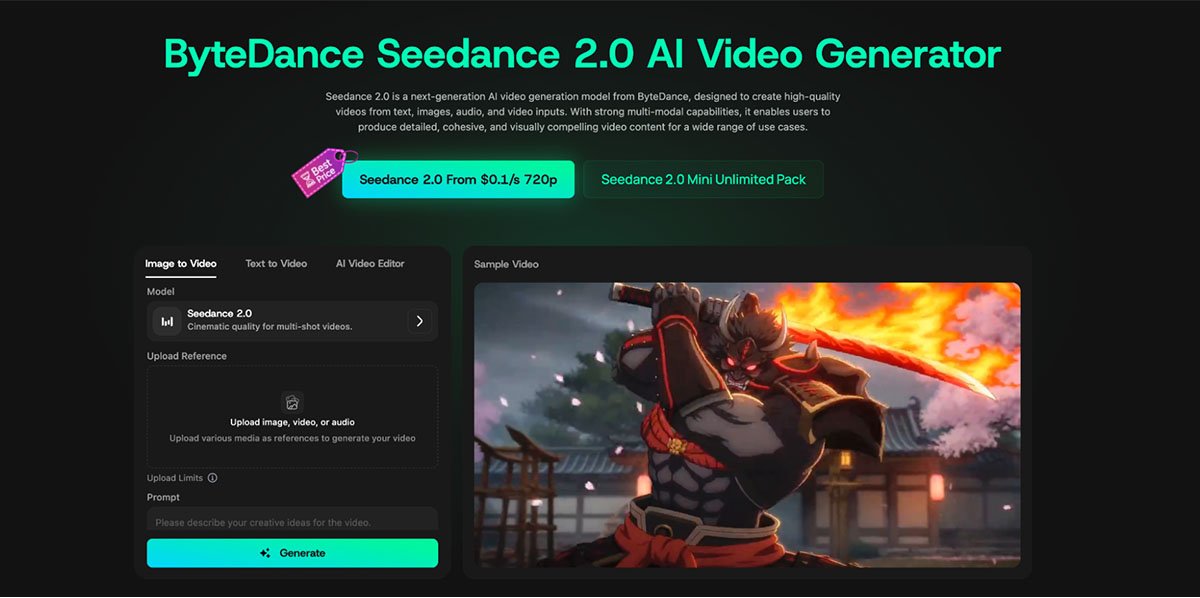
AI video generation is moving fast, and in 2026 two models stand out more than the rest: Kling 3.0 and Seedance 2.0. Both can turn simple prompts into high-quality videos, but they are built on very different ideas about what “good video” means. One focuses on physical realism and precision, while the other focuses on storytelling and cinematic flow.
If you are creating short films, ads, or brand videos, choosing the right model can completely change your output quality and production speed. I’ve tested and compared both from a creator’s point of view, not just a feature list. This guide breaks things down in a practical way so you can decide based on what you actually need, not marketing claims.
What creators actually need from AI video tools in 2026
Before comparing models, it helps to be clear about what matters in real content production today. Most creators are not just trying to generate impressive clips. They are trying to publish consistently, keep quality stable, and scale content without slowing down.
In practice, most teams care about a few core things:
- Characters that stay consistent across multiple videos
- Motion that looks natural instead of “AI-like”
- Camera movement that feels intentional, not random
- Fast generation so ideas can be tested quickly
- Output that works directly for ads or social platforms
This is where the gap between tools becomes important. Some models are optimized for realism, while others are optimized for storytelling. That difference shapes everything downstream, from editing time to engagement performance.
Kling 3.0 overview
What Kling 3.0 is designed for
Kling 3.0 is built around one main idea: make AI-generated video behave like the real world. It focuses heavily on physics accuracy, motion consistency, and visual realism. Instead of prioritizing storytelling structure, it prioritizes how objects move, collide, and interact.
It uses advanced motion modeling systems that simulate physical behavior more closely than most models in this category. The result is video that often feels grounded, stable, and visually believable, especially in complex motion scenes.
In simple terms, it feels less like “animation” and more like “recorded reality that never happened.”
Where Kling 3.0 performs best
Kling tends to shine when the scene depends on physical detail or cinematic realism. For example:
- A luxury car driving through rain-soaked streets
- A product rotating under studio lighting with reflections
- A slow-motion explosion or fluid simulation
- A travel shot with natural camera movement
These are situations where physical accuracy matters more than narrative structure.
It is also strong for brands that want premium visual output without heavy post-production.
Seedance 2.0 overview
What Seedance 2.0 is designed for
Seedance 2.0 takes a very different approach. Instead of focusing on physics accuracy, it focuses on how videos feel as stories. It is trained heavily on short-form video patterns, which helps it understand pacing, scene composition, and emotional flow.
Rather than generating a single perfect shot, it can build multi-shot sequences that resemble edited content. It also integrates audio and visual generation more tightly, which makes it feel closer to a full creative assistant than a simple video generator.
Where Seedance 2.0 performs best
Seedance is especially strong when the goal is to create engaging content quickly. For example:
- TikTok-style product storytelling
- Multi-scene brand videos
- Concept ads with fast variation testing
- Short narrative clips with emotional pacing
It feels less like a simulation engine and more like a digital director assembling scenes for you.
Key differences between Kling 3.0 and Seedance 2.0
Motion realism vs narrative flow
Kling focuses on physics-first motion. It understands gravity, collisions, and object weight in a way that often looks very realistic on screen. Seedance focuses more on visual rhythm, making scenes feel smooth and directed even if physics is slightly less strict.
In practice:
- Kling 3.0 feels more “real”
- Seedance 2.0 feels more “directed”
Prompt behavior and predictability
Seedance tends to follow instructions more closely, especially when the prompt includes multiple scene elements. Kling sometimes prioritizes visual realism over strict prompt adherence, which can lead to more creative but less predictable outputs.
Speed and iteration
Kling often takes longer per generation because of its focus on high-fidelity output. Seedance is faster, which makes it better for testing multiple creative directions in a short time.
This difference becomes very important in social content production, where volume matters as much as quality.
Choosing based on content goals
For marketing and brand ads
If you are producing brand-level advertising content, Kling 3.0 usually performs better because in this context, realism is not just a visual preference but a trust factor. When viewers see an ad, especially in industries like beauty, fashion, tech, or e-commerce, they subconsciously judge credibility based on how physically accurate the visuals feel. Kling’s strength in motion physics, lighting consistency, and material rendering makes products look tangible rather than artificially generated.
This becomes especially important in product-driven campaigns where details matter. For example, a skincare brand ad often relies on subtle visual cues like how water flows over the skin, how light reflects on a serum bottle, or how skin texture reacts under soft lighting. Kling handles these micro-interactions more naturally because it simulates physical behavior rather than just stylizing motion. The result is a video that feels closer to a high-end commercial shoot rather than a generated clip.
In real production use, this is where Kling is often used for:
- High-end product commercials where realism influences purchase decisions
- Luxury brand storytelling where visual credibility is essential
- Cinematic campaign videos that mimic real film production quality
- E-commerce product showcases that need clean, accurate presentation
However, this also means creators usually spend more time planning scenes carefully before generation. Kling rewards precision in prompts and concept design, which makes it more suitable for teams that already have clear creative direction rather than rapid experimentation.
For social media content
If your goal is TikTok, Reels, or Shorts, Seedance 2.0 usually wins in practical production environments. Social platforms are not optimized for perfection—they are optimized for speed, volume, and engagement testing. In this environment, waiting for ultra-realistic physics is less valuable than quickly producing multiple variations of a concept and identifying what resonates with audiences.
Seedance is particularly strong when you are iterating on hooks, visual angles, or storytelling variations. Instead of spending time refining a single perfect output, creators can generate multiple versions of the same idea and test them directly on social platforms. This speed advantage often translates into better performance because short-form content success is heavily dependent on iteration cycles.
A typical example is a creator testing product promotion angles. With Seedance, you might quickly generate:
- A dramatic unboxing-style video
- A fast-paced lifestyle montage
- A humorous or exaggerated product transformation clip
- A minimal aesthetic showcase version
Instead of committing to one direction early, you can explore multiple creative angles in a short time frame. This is especially valuable for agencies or solo creators managing multiple accounts or daily posting schedules.
Seedance also tends to produce more “edited-feeling” outputs, which aligns naturally with social media consumption patterns. Users on TikTok and Instagram are already used to fast cuts, stylized transitions, and narrative compression, so absolute physical realism is less critical than engagement flow.
For storytelling content
If you are building narrative-driven content such as short films, YouTube storytelling videos, or scripted brand narratives, Seedance 2.0 often has a clear advantage because it understands structure at a higher level than most video generation models.
Instead of generating isolated clips, Seedance can maintain continuity across multiple scenes, which is essential for storytelling. It tends to think in sequences: establishing shots, character moments, transitions, and emotional pacing. This makes it easier for creators to translate written scripts into visual sequences without manually stitching everything together later.
For example, if you are producing a short YouTube story about a traveler exploring a city, Seedance can naturally generate:
- An opening wide shot of the environment
- A mid-shot character introduction
- A sequence of movement through different locations
- A closing emotional or reflective scene
What matters here is not just visual quality but rhythm. Seedance tends to create a sense of flow between shots, which reduces the amount of manual editing needed afterward. It feels closer to having a virtual director interpret your script rather than just generating standalone visuals.
This makes it especially useful for:
- YouTube narrative channels
- AI-generated short dramas
- Brand storytelling campaigns with emotional arcs
- Educational or explainer videos with visual sequences
In many cases, creators choose Seedance first to build the full narrative structure, and then optionally refine selected key scenes in higher-fidelity tools if needed.
For experimental or concept testing
Seedance is also significantly more effective when you are still exploring ideas rather than executing a final production plan. In early-stage creative work, the goal is not perfection but discovery. You are trying to understand what a concept looks like visually before investing time into refining it.
Seedance supports this stage well because it allows rapid generation of multiple interpretations of the same prompt. Instead of locking into a single direction too early, you can explore different visual styles, compositions, and moods quickly. This reduces creative risk and helps you identify stronger ideas earlier in the process.
For example, if you are developing a campaign concept for a new product, you might start with:
- A futuristic cinematic interpretation
- A minimal studio-style presentation
- A lifestyle-driven social version
- A high-energy montage concept
Seedance makes it easy to explore all of these without long rendering delays. Once a direction feels right, you can then move into more refined production using tools like Kling 3.0 for higher realism or final commercial output.
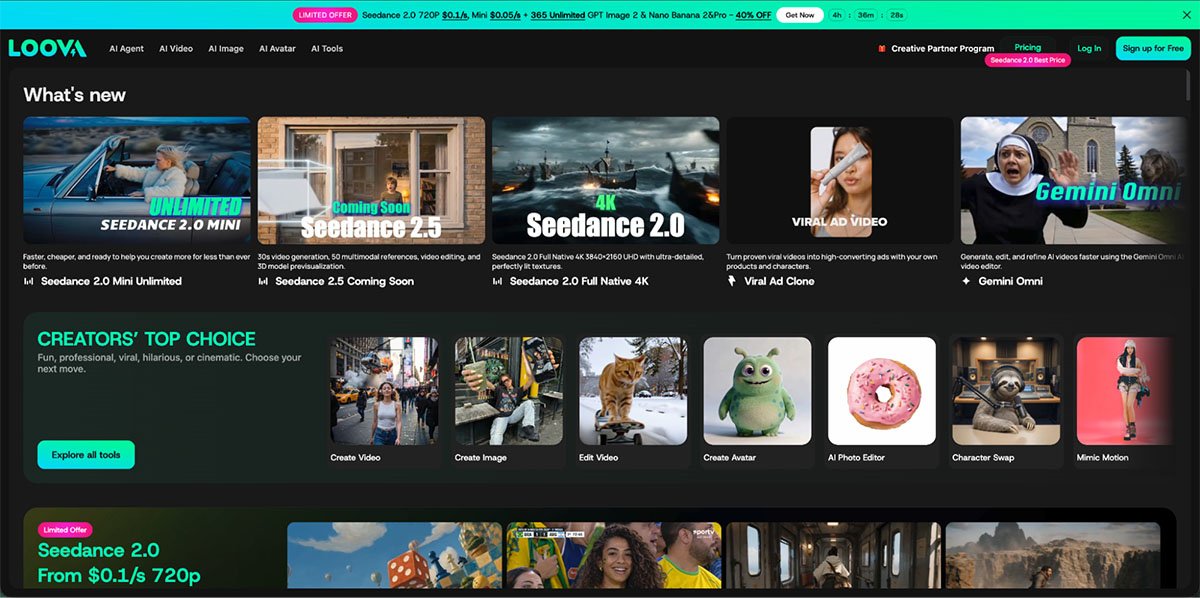
When producing videos, platforms like Loova become useful because they allow creators to compare different model outputs side by side without switching tools constantly. Over time, this makes concept testing faster and more structured, especially for teams producing large volumes of content across different channels.
Real-world examples of how creators use both models
A lot of experienced creators don’t actually choose just one model. Instead, they combine them depending on the stage of production.
For example:
- A marketing team might use Seedance to test ad concepts quickly
- Then switch to Kling for final high-quality product visuals
- A creator might generate storyboards in Seedance first
- Then refine cinematic shots in Kling
This hybrid approach is becoming more common because it balances speed and quality.
Performance comparison in practice
When you look at outputs side by side, the differences become clearer:
Kling 3.0 tends to produce:
- More realistic motion
- Stronger lighting detail
- Better physical interaction
- Higher visual polish
Seedance 2.0 tends to produce:
- More consistent characters
- Better scene structure
- Faster iteration cycles
- More “edited” feeling videos
Neither is universally better. They simply optimize different parts of the creative process.
Text to image and video generation differences
Both models support modern creative inputs like text to video AI and image to video AI, but they handle them differently.
Kling tends to excel when you start from a strong visual reference image and want realistic motion added. Seedance performs better when you start from a concept and want it expanded into multiple scenes.
If your goal is fast experimentation, Seedance feels more flexible. If your goal is polished visual output, Kling feels more controlled.
Where each model struggles
Kling’s main limitation is speed and narrative structure. It can produce stunning visuals, but building multi-scene storytelling often requires more manual planning.
Seedance’s limitation is physical precision. Some complex motion scenes, especially involving fluid dynamics or detailed physics interactions, may look less realistic compared to Kling.
Final Thoughts
There is no universal winner between Kling 3.0 and Seedance 2.0 because they solve different problems.
If your priority is realism, cinematic quality, and physically accurate motion, Kling is the better choice. If your priority is speed, storytelling, and scalable content creation, Seedance is more efficient.
In most real production environments, the smartest approach is not choosing one, but combining both depending on the task. Tools like Loova make this easier by letting you compare outputs directly and choose what works best for each project.
FAQs
Is Kling 3.0 better than Seedance 2.0?
Not in general. Kling is stronger for realism and cinematic quality, while Seedance is stronger for speed, storytelling, and content volume.
Which model is better for social media content?
Seedance 2.0 is usually better because it allows faster iteration and more content variations, which is important for platforms like TikTok and Instagram.
Which model produces more realistic motion?
Kling 3.0 generally produces more physically accurate motion, especially in scenes involving complex interactions or environmental effects.
Can both models be used for advertising?
Yes, both are widely used for ads. Kling is better for high-end cinematic ads, while Seedance is better for testing multiple creative directions.
Which is better for beginners?
Seedance 2.0 is easier for beginners because it produces usable results faster and requires less refinement.
Can I combine both models in one project?
Yes, many creators do this. A common approach is using Seedance for concept generation and Kling for final production-quality output.

When Does a Tree Need Professional Attention?

Havrenn & Co. Brings the Rich Texture of Suede Back Into Focus

What the Diagnostic Process for Recurrent Pregnancy Loss Involves and Why It Matters to Work with a Specialist

IFRS vs Ind AS 20: Key Differences Every Indian Accountant Should Know

Why Semi-Detached Homes Are Performing Differently Across the Bexley Property Market

Easy Ways to Practice Self Care

6 Ways to Keep Your Car Running When Moneys Tight

Madeira in Autumn: A Slower, Warmer Way to Experience the Island

What You Actually Hand Over When You Book a Trip Online

Exploring the Online Beauty Marketplace
Madeira in Autumn: A Slower, Warmer Way to Experience the Island
Why Semi-Detached Homes Are Performing Differently Across the Bexley Property Market
Easy Ways to Practice Self Care
IFRS vs Ind AS 20: Key Differences Every Indian Accountant Should Know
What the Diagnostic Process for Recurrent Pregnancy Loss Involves and Why It Matters to Work with a Specialist
Havrenn & Co. Brings the Rich Texture of Suede Back Into Focus
6 Ways to Keep Your Car Running When Moneys Tight
When Does a Tree Need Professional Attention?
When Does a Tree Need Professional Attention?
Havrenn & Co. Brings the Rich Texture of Suede Back Into Focus
What the Diagnostic Process for Recurrent Pregnancy Loss Involves and Why It Matters to Work with a Specialist
IFRS vs Ind AS 20: Key Differences Every Indian Accountant Should Know
Why Semi-Detached Homes Are Performing Differently Across the Bexley Property Market
Easy Ways to Practice Self Care
6 Ways to Keep Your Car Running When Moneys Tight
Madeira in Autumn: A Slower, Warmer Way to Experience the Island
What You Actually Hand Over When You Book a Trip Online
Exploring the Online Beauty Marketplace
-

 Biography7 months ago
The Emotional Journey of Joanne Schieble Simpson, Steve Jobs’ Biological Mother
-

 News7 months ago
Jamal Adeen Thomas – Everything You Should Know About Clarence Thomas’ Son
-
 Blog4 months ago
What Is Sotwe? Everything You Need to Know Before Using It
-
 Biography7 months ago
Meet Theo Ressler: Everything You Know About Jami Gertz’s son