The Growing Demand For Currency Exchange
People have always needed to swap their money for different currencies, especially when traveling or doing business abroad. This need hasn’t gone away; in fact, with more people traveling and businesses operating globally, the demand for currency exchange services is still really high. It’s a constant need, no matter what’s happening with the economy.
This steady demand means there’s always a customer base looking to convert their cash. Whether it’s for a vacation or a business trip, exchanging money is a necessary step. This consistent requirement makes the currency exchange market a reliable place for businesses to operate.
How Online Services Cater To Modern Travelers
Today’s travelers are different. They expect things to be easy, fast, and available whenever they need them. Online travel services fit right into this. They let people sort out their currency needs from their couch, without having to find a physical branch or wait in line.
These services understand that modern travelers are tech-savvy and busy. They offer apps and websites that are simple to use, allowing for quick exchanges and easy tracking of orders. It’s all about making the process as smooth as possible for people on the go.
The Role Of Technology In Travel
Technology is the main reason why online travel services are taking over. Think about it: real-time exchange rates, secure online platforms, and easy payment options. All of this is powered by smart tech working behind the scenes.
This tech allows for better rates and fewer fees compared to traditional methods. It also makes the whole process of buying currency much more convenient. The shift to online is driven by technology’s ability to make currency exchange simpler and more accessible. This is how online services are changing the game for travel money.
Navigating The Best Value In Travel
Comparing Exchange Rates And Hidden Fees
When you’re looking to get the most bang for your buck, it’s not just about the advertised exchange rate. Many places might seem to offer a great deal upfront, but then surprise you with extra charges. It’s like buying a product that looks cheap, only to find out the shipping costs more than the item itself. Always dig a little deeper.
The real cost is often hidden in the exchange rate margin. Even services that claim to be ‘fee-free’ usually build their profit into the rate they give you. This margin can change, sometimes depending on how much money you’re sending or exchanging. It’s a sneaky way to add costs without making it obvious. Always ask for the total amount the recipient will get, or the final cost to you, to get a clear picture.
Beyond the provider’s own fees, watch out for other charges. Banks involved in the transfer, either at your end or the recipient’s end, might add their own fees. These are sometimes called correspondent banking fees or recipient bank fees. If your provider doesn’t absorb these, they could eat into the amount you’re sending. It’s worth asking if they can estimate these extra costs or even cover them for you.
The Impact Of Timing On Currency Value
Timing can really make a difference when you’re dealing with currency exchange. If you have the flexibility, waiting a bit could land you a better deal. Currency markets are always moving, and even small shifts can add up, especially if you’re exchanging a large amount of money.
Think about when you make your transaction. Some services might charge more or offer a less favorable exchange rate over the weekend. This is because the markets are closed, and they’re trying to protect themselves from any big price swings that might happen before they reopen. So, if you can, try to do your exchange during the week.
It’s not just about weekdays versus weekends, either. The time of year can also play a role. While it’s hard to predict perfectly, being aware that market conditions fluctuate can help you make more informed decisions about when to buy your foreign currency.
Beyond The Advertised ‘Fee-Free’ Claims
Many services advertise themselves as ‘fee-free,’ which sounds great, right? But this often means they’re not charging a direct transaction fee. What they are doing is making money on the exchange rate itself. This is a common practice, and it’s important to understand that ‘fee-free’ doesn’t automatically mean ‘cheapest.’
When comparing options, look at the total amount you’ll receive or the total cost to you. This gives a much clearer picture than just looking at advertised fees. A service with a small fee but a better exchange rate might actually be cheaper overall than a ‘fee-free’ service with a poor rate.
Always ask questions. If a service claims to be fee-free, inquire about their exchange rate margin. Understanding how they make their money is key to finding the best value. Don’t be afraid to compare multiple providers to see who truly offers the best deal for your specific needs.
Choosing The Right Payment Methods Abroad
Evaluating Acceptance and Price Certainty
When you’re heading overseas, figuring out how you’ll pay for things is a big deal. You don’t want to get stuck somewhere with no way to buy what you need. So, the first thing to check is whether your chosen payment method is actually accepted where you’re going. Some places are still pretty cash-heavy, while others are all about cards. It’s a good idea to look into this before you even leave home.
Beyond just being accepted, you need to know the total cost. Some payment methods might seem cheap upfront, but then surprise fees pop up. This is especially true with dynamic currency conversion, where paying in your home currency might actually cost you more because the local merchant or their bank adds a markup. Getting price certainty means understanding the final amount you’ll pay, including any exchange rate margins and fees.
It’s not just about the big purchases either. Even small transactions can add up. If you’re using a card, check if there are international transaction fees. These can often be around 3% of the sale price, which really starts to sting if you’re buying a lot. Knowing the total price upfront helps you budget better and avoid nasty surprises.
Convenience and Security Considerations
Once you’ve figured out what’s accepted and what the real costs are, think about how easy and safe your payment methods are. Carrying a lot of cash can be risky – it’s easy to lose or have it stolen. On the flip side, relying solely on cards means you need to be sure they’ll work everywhere you go and that you have backup options.
Travel money cards are an option, but they come with their own set of issues. Some might charge you just for having the card, or if you don’t use it for a while. Plus, if you need to withdraw cash from an ATM overseas, you could be looking at ATM fees on top of currency conversion fees. It’s a lot to keep track of.
Security is also a big one. If your card gets lost or stolen, what’s the process for getting it replaced? Do you have travel insurance that covers lost money? Thinking about these scenarios beforehand can save you a lot of stress if something does go wrong. It’s about balancing ease of use with peace of mind.
Understanding Travel Money Card Costs
Travel money cards often get a bit of a bad rap, and sometimes for good reason. While they can be convenient for loading specific currencies, the costs can really add up if you’re not careful. For instance, withdrawing the equivalent of $100 from an overseas ATM could end up costing you nearly 9% of the transaction amount when you factor in ATM fees and currency conversion charges.
It’s often cheaper to use a regular debit or credit card, especially one that doesn’t charge international transaction fees. Even credit cards with international transaction fees can sometimes be a better deal than a dedicated travel money card. The key is to compare the total cost, not just the advertised exchange rate.
When looking at travel money cards, pay close attention to all the potential fees. This includes fees for buying the card, using ATMs, inactivity, and even closing the account. Sometimes, using a card for a transaction in a currency not loaded onto the card can also trigger extra charges. Always read the fine print to understand the full cost of using a travel money card.
The Advantages Of Online Currency Purchases
Better Rates and Lower Fees Online
Online currency services often provide better exchange rates and lower fees compared to traditional brick-and-mortar locations. This is largely due to their lower overhead costs. They don’t have the same expenses as physical branches, like rent in prime locations or staffing for multiple storefronts. This cost saving can translate directly into better value for the customer. When you buy currency online, you’re often cutting out the middleman and the associated markups. It’s a straightforward way to get more foreign currency for your money.
Avoiding Airport Currency Markups
Airport currency exchange booths are notorious for offering poor exchange rates and high fees. They know travelers are often in a bind and need currency immediately, so they charge a premium. Online services completely bypass this issue. You can order your currency well in advance of your trip and have it delivered to your home or a convenient pickup location. This allows you to avoid the inflated prices typically found at airports. It’s a smart move for any traveler looking to save money on their foreign exchange needs.
The Convenience of Home Delivery
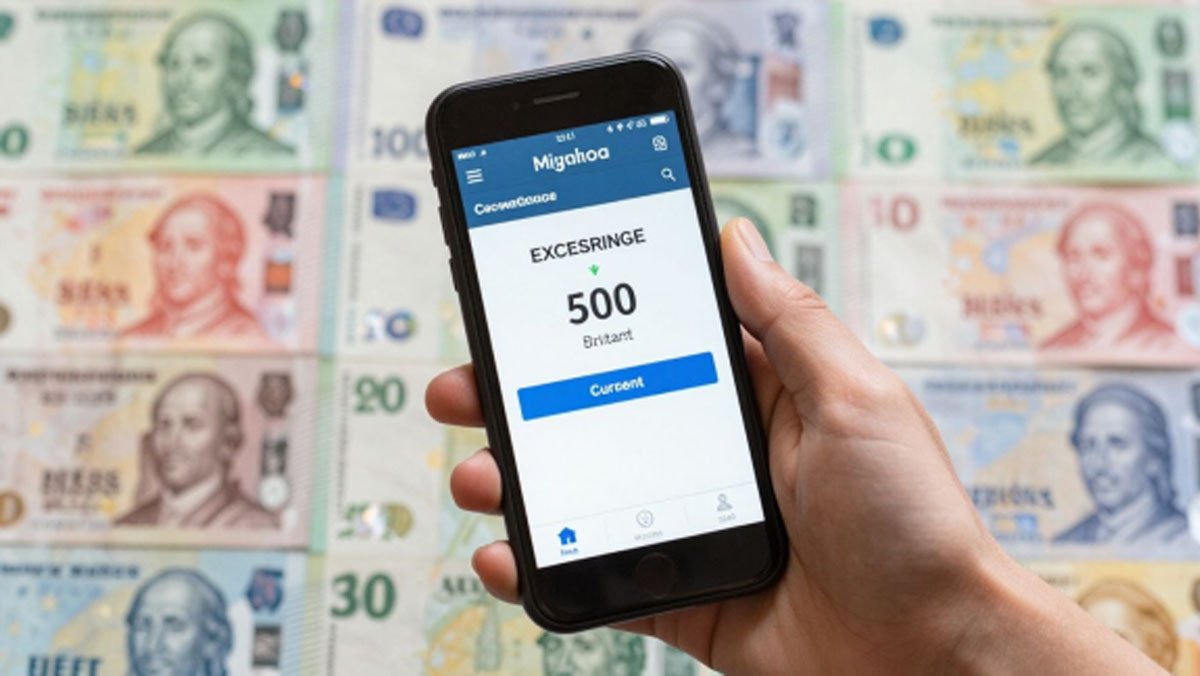
One of the biggest draws of online currency services is the convenience. Many providers offer home delivery, meaning you can have your foreign cash arrive right at your doorstep. This saves you the time and hassle of visiting a physical exchange bureau. You can manage the entire process from your computer or smartphone, comparing rates and placing your order with ease. This convenience is a significant factor in why more people are choosing online platforms for their travel money. Services such as Travel FX support this shift by letting customers buy travel money online with multiple payment options and guaranteed delivery.
Key Considerations For International Transactions
Total Price Versus Recipient Amount
When sending money abroad, it’s easy to get caught up in advertised rates. But what really matters is the total amount the recipient gets. Some services might show a great exchange rate, but then tack on extra fees that eat into the final sum. Always look beyond the headline figure. Understanding the total price means factoring in both the exchange rate and any hidden charges. This is especially true when dealing with international transactions; the amount you send isn’t always the amount that arrives.
It’s also worth noting that some providers might advertise themselves as ‘fee-free.’ This often means they’re making their profit on the exchange rate itself, which might be less favorable than you think. Always ask for a clear breakdown of all costs involved. This helps you compare different services accurately and avoid surprises. Knowing the final amount that reaches the intended person is the true measure of value for any international transaction.
Understanding Supplier Fee Structures
Supplier fee structures can be complex, and it’s important to break them down. Beyond the obvious service fees, watch out for correspondent banking fees or recipient bank fees. These are charges levied by intermediary banks or the receiving bank, and they can add up. Some suppliers might absorb these costs, while others pass them on to you, the customer. Always inquire if the supplier can estimate the funds that will be delivered to the recipient and if they will absorb these additional fees.
Some services might also adjust their fees or exchange rates based on the transaction amount. Larger transfers might get better rates, or conversely, attract higher fees. It pays to ask directly about how their fee structure works for the specific amount you plan to send. This transparency is key to making an informed decision about your international transactions.
The Benefits Of Non-Bank Providers
Non-bank providers often offer a more competitive edge when it comes to international transactions. Historically, big banks were the go-to for currency exchange, but they are frequently more expensive than specialized online services. These digital platforms are built for speed and efficiency, often translating into better exchange rates and lower fees for the customer. They can also be more flexible with their fee structures.
Furthermore, many non-bank providers are more transparent about their pricing. They might use online calculators that allow you to compare rates and fees easily, helping you see the total cost upfront. This contrasts with some traditional banks where the fee structure can be less clear. For anyone making frequent international transactions, exploring these alternatives can lead to significant savings.
When comparing services, always check the exchange rate offered against the mid-market rate. The difference, known as the margin or markup, is where many providers make their profit, even if they advertise ‘no fees’.
The Evolution Of Travel Services
From Banks To Digital Platforms
For a long time, getting foreign currency meant a trip to the bank or a specialized exchange bureau. These were often the only options, and while they worked, they weren’t always the most convenient or cost-effective. Think long queues and rates that weren’t always the best. The landscape of travel money has really shifted.
Now, digital platforms are leading the charge. These online services have popped up, making it much simpler to buy currency. They’ve taken the old way of doing things and given it a modern, tech-driven makeover. This change means travelers have more choices than ever before.
The shift from traditional brick-and-mortar to online services is a major part of how people buy currency today. It’s all about adapting to how we live now – with more access to technology and a desire for speed and ease. This evolution in travel is still ongoing.
Diversification Of Financial Services
It’s not just about buying cash anymore. The companies that started with currency exchange have branched out. They now offer a whole suite of financial tools for travelers. This includes things like travel money cards, international money transfers, and even digital wallets.
This diversification means you can manage more of your money needs through one provider. Instead of juggling multiple services, you can often find them all in one place. It makes planning and managing your finances for a trip much more straightforward.
This expansion is a smart move for these businesses, too. It allows them to serve more customers and offer more value. It’s a win-win situation for both the traveler and the company providing the service. The travel market is growing because of this.
Building Trust In Online Currency Exchange
When something new comes along, especially with money, people can be a bit hesitant. Building trust in online currency exchange services has been a key part of their growth. Companies have had to show they are reliable and secure.
This involves clear communication about rates and fees, strong security measures to protect customer data, and good customer support. Many services are regulated by financial authorities, which adds another layer of confidence for users. Transparency is really important here.
As more people use these online services and have positive experiences, trust grows. Word of mouth, positive reviews, and consistent service quality all play a role. This growing trust is what allows the online travel sector to keep expanding and changing how we get our foreign money.
Conclusion
The way people buy foreign currency has definitely changed. Online travel services offer a more convenient and often cheaper way to get your money ready for a trip. By comparing options, understanding fees, and choosing the right payment methods, travelers can make sure they get the best value. As technology continues to evolve, these online platforms are likely to become even more important for anyone planning to travel abroad.





 Biography7 months ago
 News7 months ago
 Blog4 months ago
 Biography7 months ago