
Tech
Why Outsourcing PCB Assembly Can Help Scale Electronics Manufacturing

Accessing Specialized Technical Skills
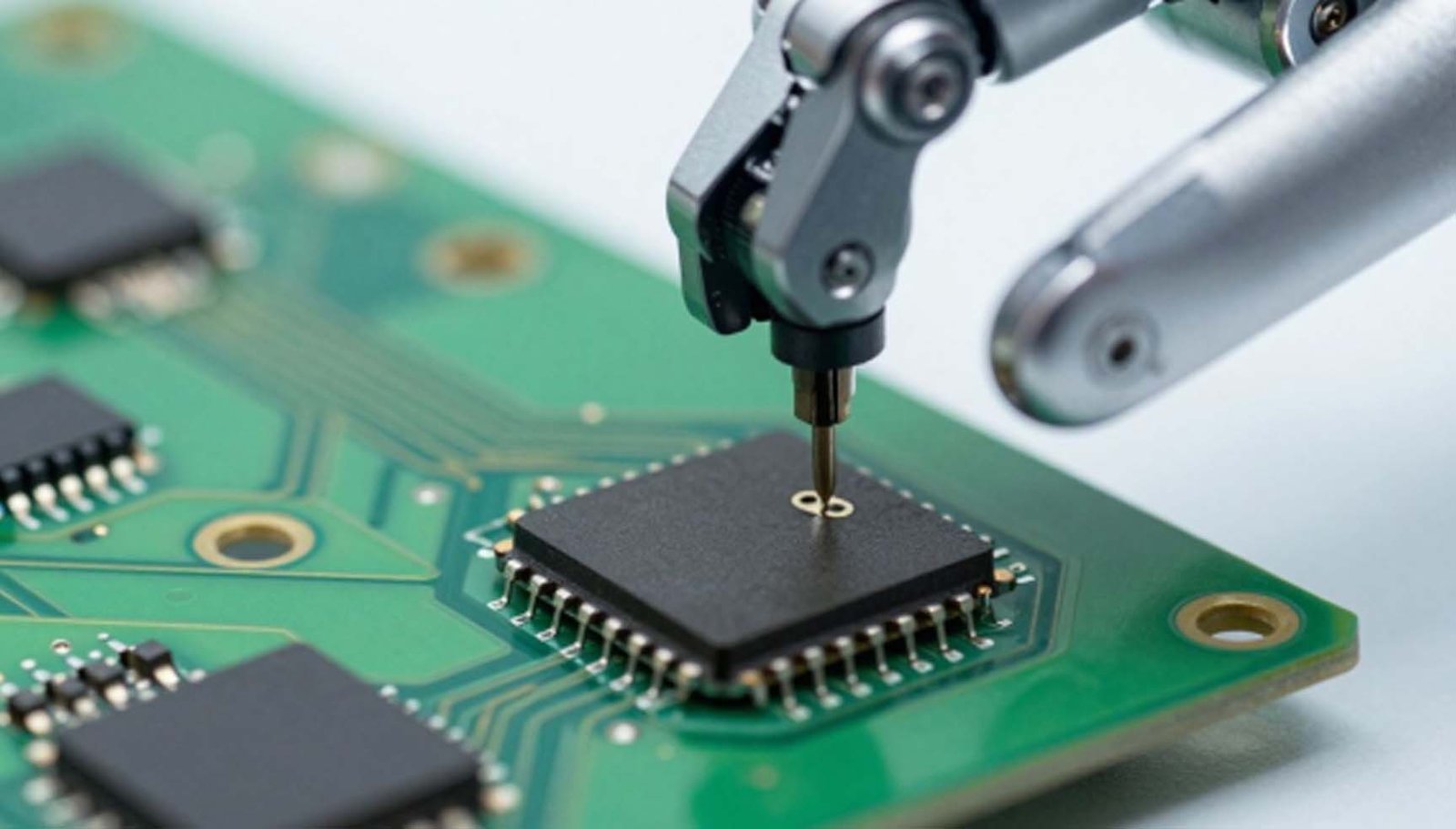
When you partner with an external PCB assembly provider, you’re not just outsourcing a task; you’re gaining access to a dedicated team of specialists. These professionals live and breathe PCB assembly, meaning they’re constantly up-to-date with the latest techniques and potential pitfalls. This deep well of knowledge can prevent costly mistakes and speed up your production process. Relying on their specialized technical skills means your product benefits from years of focused experience, something difficult and expensive to replicate in-house. This external expertise is key to superior PCB assembly.
Adherence to Advanced Manufacturing Techniques
Electronics manufacturing is always changing. New methods and technologies emerge regularly, and keeping pace can be a challenge for any single company. Outsourced PCB assembly services typically invest heavily in the latest equipment and training. This allows them to employ advanced manufacturing techniques that might be out of reach for your internal operations. They understand the nuances of modern component placement, soldering processes, and automated inspection, leading to higher quality and more reliable boards. This adherence to advanced manufacturing techniques is a significant advantage.
Ensuring Compliance with Industry Standards
Navigating the complex web of industry standards and certifications can be a daunting task. Whether it’s ISO 9001, IPC-A-610, or specific requirements for medical or aerospace applications, external PCB assembly partners are usually well-versed in these regulations. They have established processes and quality control systems in place to meet these demanding requirements. This ensures your product not only functions correctly but also meets all necessary legal and quality benchmarks. Working with a provider experienced in compliance simplifies this aspect of manufacturing, giving you peace of mind.
Achieving Scalability Through Outsourced Manufacturing
Adapting Production Volume to Market Demand
When a product takes off, it can be tough to keep up. Building out your own factory floor to handle sudden spikes in demand is expensive and slow. Outsourcing lets you adjust your production numbers quickly. Need a thousand units this month and ten thousand next? A good partner can handle that shift. This scalability means you don’t get caught flat-footed when sales surge.
This flexibility is key to staying competitive. You can ramp up production without massive internal investment, responding directly to what the market wants. It’s about having the capacity you need, when you need it, without the long-term commitment of owning all the equipment and space yourself. This agility is a major win.
Managing High-Mix Low-Volume Production
Not every product needs to be made in the millions. Sometimes, you have a range of specialized items, each with its own unique needs. Making these in-house can be a headache, requiring constant setup changes and specialized tooling. Outsourcing providers often excel at this. They are set up to handle many different board types and configurations efficiently.
This means you can get a variety of products made without your internal team getting bogged down. It’s about getting those niche products to market without sacrificing efficiency. The ability to manage high-mix, low-volume runs is a significant advantage.
Facilitating High-Volume Production Efficiency
When your product hits the big time, you need serious production power. Outsourcing partners have the large-scale equipment and dedicated assembly lines ready to go. They’ve already made the investment in high-speed pick-and-place machines, advanced soldering systems, and automated testing gear. This means they can produce large quantities of PCBs much faster and often more cost-effectively than a company trying to scale up its own operations.
They understand the economies of scale. For them, making 100,000 units is a routine operation, not a monumental task. This allows your company to meet large orders without the internal strain. The efficiency gained in high-volume production is a direct benefit to your bottom line and your ability to satisfy major clients. This is where true scalability shines.
Accelerating Product Launch with Outsourced Assembly
Reducing Overall Turnaround Times
Getting a new electronic product to market quickly is often the name of the game. Outsourcing PCB assembly can significantly cut down the time it takes from design to finished product. Assembly houses have optimized workflows and dedicated teams focused solely on production. This means they can often complete assembly runs faster than an internal team juggling multiple responsibilities. This speed is critical for gaining a competitive edge.
When you partner with an external assembly provider, you’re tapping into their established processes. They’ve likely worked out the kinks in their supply chain and assembly lines. This allows for a more predictable and shorter turnaround time for your boards. It’s about getting your product into customers’ hands sooner, which can make a big difference in market reception.
Streamlining Component Sourcing and Supply Chains
Finding and procuring all the necessary electronic components can be a major hurdle. Outsourced assembly partners often have strong, long-standing relationships with component suppliers and distributors. This can lead to better pricing and, more importantly, more reliable access to parts, especially in today’s sometimes unpredictable supply chain environment. They know where to get what you need, fast.
These providers manage the complexities of component sourcing, including dealing with multiple vendors and potential shortages. This frees up your team from spending valuable time tracking down resistors, capacitors, and integrated circuits. Their established supply chain management means fewer delays and a smoother path to assembly.
Minimizing Internal Bottlenecks
Internal manufacturing can create bottlenecks, especially as production volume increases or product complexity grows. Relying on an external partner for PCB assembly removes this potential choke point from your operations. Your internal team can then focus on other critical tasks without being bogged down by assembly line management.
Outsourcing allows your company to scale production capacity without needing to invest in new equipment or hire and train additional staff. This flexibility means you can meet demand spikes without internal production limitations holding you back. It’s a way to keep your product development moving forward without getting stuck.
Outsourcing PCB assembly isn’t just about offloading work; it’s about strategically accelerating your path to market by leveraging specialized efficiency and established supply networks.
Optimising Costs Through Strategic Outsourcing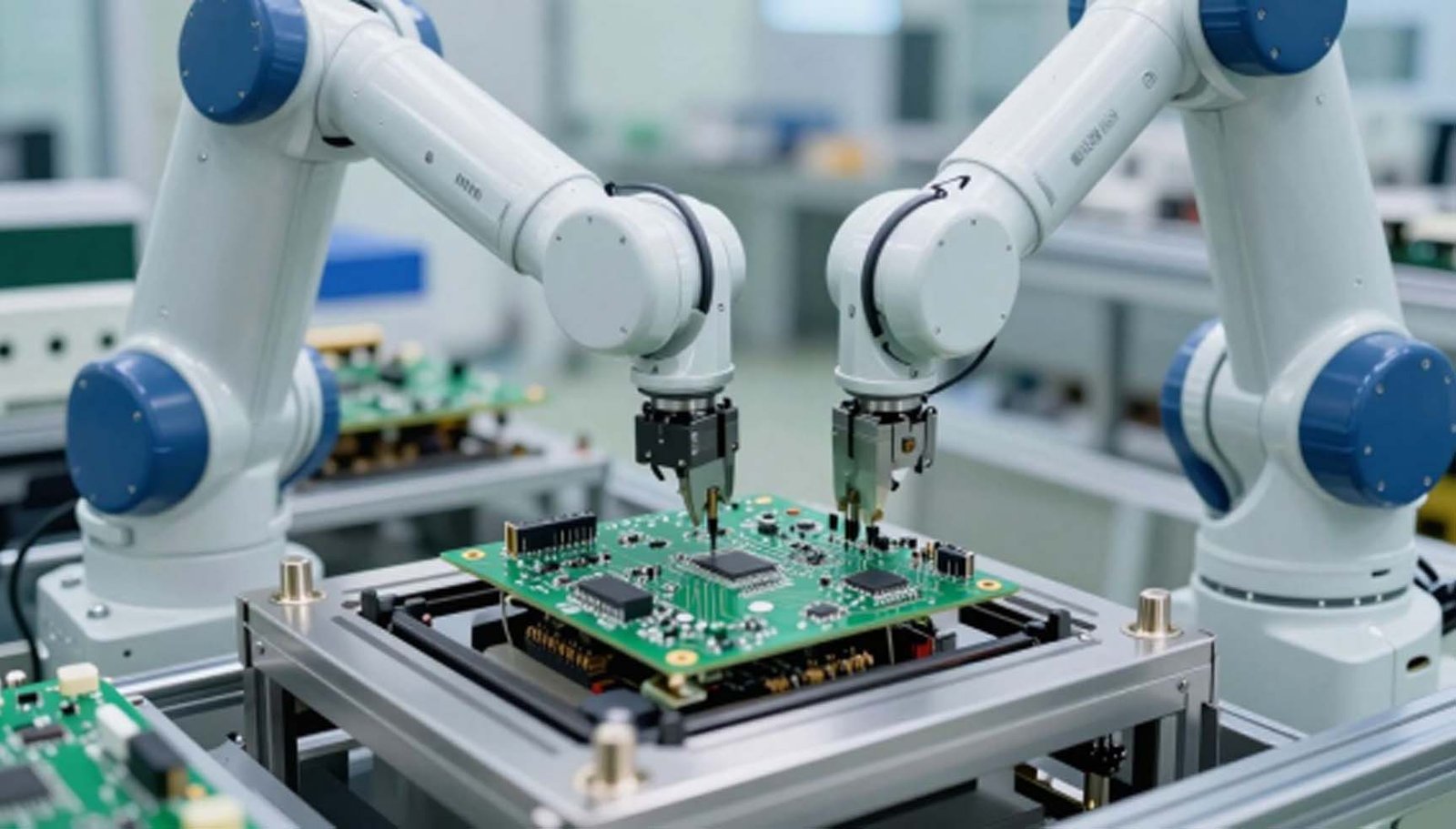
Reducing Capital Expenditure on Equipment
Setting up an in-house PCB assembly line means big upfront costs. Think about the specialized machinery, the cleanroom facilities, and all the calibration tools. It’s a huge investment that many companies, especially startups or those looking to scale quickly, just can’t afford. Outsourcing means you skip all that. You don’t need to buy expensive pick-and-place machines or reflow ovens. This frees up capital that can be used elsewhere, like product development or marketing. It’s a smart way to get your product made without draining your bank account.
Lowering Operational Overhead Costs
Beyond the initial equipment purchase, running an assembly line involves ongoing expenses. There’s the cost of maintaining that equipment, paying for utilities to keep the facility running, and managing the inventory of parts and consumables. Then there’s the staff – skilled technicians, supervisors, and quality control personnel. When you outsource, you transfer these operational overhead costs to your manufacturing partner. They already have the infrastructure and the trained staff. This means you avoid the recurring bills for electricity, rent, and salaries related to assembly. It’s a direct way to cut down on your company’s day-to-day expenses.
Benefiting from Economies of Scale
Larger contract manufacturers handle a high volume of work for many different clients. This allows them to buy components in bulk at lower prices than a single company could. They also optimize their production processes to be as efficient as possible because they are constantly running. This efficiency translates into lower per-unit assembly costs. By partnering with an established outsourcer, your company can tap into these economies of scale, even if your own production volume isn’t massive. You get the benefit of their large-scale operations without having to invest in them yourself. This strategic outsourcing is key to cost optimization in electronics manufacturing.
Enhancing Quality and Reliability in Surface Mount PCB Assembly
Implementing Rigorous Quality Control Measures
When it comes to surface mount PCB assembly, quality isn’t just a nice-to-have; it’s a must-have. Manufacturers that focus on quality control from the start build trust and reduce headaches down the line. This means having clear processes in place for every step, from component handling to final inspection. A good partner will have a system that tracks everything, so if something does go wrong, they can figure out why and fix it. This attention to detail is what separates a good assembly job from a great one.
A strong quality control system is the bedrock of reliable electronics. It’s not just about catching mistakes; it’s about preventing them. This involves training staff on the latest standards and making sure they understand the importance of precision. For surface mount PCB assembly, this means paying close attention to things like solder paste application, component placement accuracy, and reflow profiling. Without these checks, even the best designs can end up failing.
Here’s what a solid quality control setup often includes:
- Detailed process documentation
- Regular equipment calibration
- Component traceability
- Operator training and certification
Utilizing Advanced Testing Equipment
Beyond basic checks, using advanced testing equipment is key to making sure your surface mount PCB assemblies are top-notch. Think about automated optical inspection (AOI) machines that can spot tiny defects invisible to the human eye, or X-ray inspection for checking hidden solder joints, especially on complex components like BGAs. These tools are not just for finding problems; they help confirm that everything is exactly as it should be.
In-circuit testing (ICT) is another vital piece of the puzzle. It checks the electrical connections and functionality of the assembled board. This kind of testing helps catch issues early, before they become bigger, more expensive problems. The right testing equipment acts as a second set of eyes, confirming the integrity of every connection. Relying solely on visual checks just won’t cut it for modern electronics.
Some common advanced testing methods include:
- Automated Optical Inspection (AOI)
- X-ray Inspection
- In-Circuit Testing (ICT)
- Functional Testing
Minimizing Defects and Rework
Ultimately, the goal of all these quality measures and advanced testing is to cut down on defects and the need for rework. Every time a board needs to be fixed, it costs time and money, and it increases the risk of introducing new problems. A manufacturer that consistently produces high-quality assemblies means fewer returns, happier customers, and a stronger brand reputation. This focus on minimizing defects is a direct result of good process control and the use of proper equipment.
When a surface mount PCB assembly process is well-managed, the number of boards that fail initial testing is very low. This efficiency means that production runs smoothly and predictably. It’s about getting it right the first time, every time. This not only saves money but also speeds up the entire manufacturing timeline, which is a big win for getting products to market faster.
A commitment to reducing defects isn’t just about saving money; it’s about building a reputation for reliability that customers can count on.
Focusing Internal Resources on Core Business Functions
Dedicating Efforts to Research and Development
When a company outsources its PCB assembly, it frees up valuable internal time and brainpower. This allows teams to concentrate more fully on what truly drives innovation and future growth. Instead of getting bogged down in the day-to-day details of manufacturing, engineers and product developers can dedicate their energy to creating the next generation of products. This focus on R&D is often where a company’s competitive edge is forged.
This shift in focus is critical for staying ahead in a fast-paced market. By not having to manage production lines or troubleshoot assembly issues, the internal team can explore new technologies, refine existing designs, and push the boundaries of what’s possible. This dedicated attention to research and development is a direct benefit of outsourcing PCB assembly.
Concentrating on Marketing and Strategic Growth
Beyond product development, outsourcing PCB assembly also allows a business to put more effort into its market presence and long-term strategy. Sales and marketing teams can develop new campaigns, explore new markets, or strengthen relationships with existing customers. This strategic growth is often sidelined when internal teams are stretched thin managing manufacturing operations.
With the manufacturing side handled by a specialized partner, the company can allocate more resources to understanding customer needs, refining its market position, and planning for expansion. This concentration on marketing and strategic growth is a significant advantage that comes from letting an external provider manage the assembly process.
Freeing Up Internal Teams from Production Management
Ultimately, outsourcing PCB assembly means internal teams are no longer the primary managers of the production floor. This liberation from production management allows for a more agile and responsive organization. Teams can pivot more quickly to market changes or new opportunities without being tied down by the complexities of running an assembly line.
This freedom from production management allows for a more efficient use of personnel. Instead of overseeing assembly, employees can focus on their core competencies, whether that’s design, sales, or customer support. This reallocation of effort is a key reason why many companies choose to outsource their PCB assembly needs.
Partnering for Comprehensive Manufacturing Solutions
Collaborating on Design and Redesign Efforts
When you work with an external PCB assembly provider, it’s not just about handing over a finished design. A good partner can actually help improve your board before it even hits the production line. They have engineers who see manufacturing challenges daily. These folks can spot potential issues with your layout, component choices, or even the board’s physical dimensions that you might have missed. This collaboration during the design phase can save a lot of headaches and money down the road. It’s about making the design manufacturable from the start.
Think about it: a design that looks great on a screen might be a real pain to assemble. Densely packed parts, tiny traces, or unusual component shapes can slow down automated machines and lead to errors. Your manufacturing partner can suggest tweaks to make assembly smoother, faster, and more reliable. This is especially true when you need to redesign a product for cost reduction or to incorporate new features. They can help ensure the board is optimized for the specific manufacturing processes they use, leading to better yields and fewer defects. This proactive approach to design is a key benefit of a strong partnership.
Leveraging Engineering Support for Product Improvement
Beyond just assembly, a capable manufacturing partner can offer ongoing engineering support that helps your product evolve. They can assist with redesign efforts, not just for manufacturing efficiency but also to enhance product performance or add new capabilities. This means you have access to a broader pool of engineering talent without having to hire them all yourself. They can provide insights based on their experience with various technologies and applications, which can be invaluable for staying competitive.
This kind of support is particularly useful for legacy products or when you’re developing next-generation versions. Your partner can help identify components that are becoming obsolete or suggest alternative parts that offer better performance or lower cost. They can also help troubleshoot issues that arise in the field, providing valuable data for future product improvements. This continuous feedback loop between manufacturing and engineering is a powerful engine for innovation.
Exploring Aftermarket and Failure Analysis Services
The relationship with your PCB assembly partner doesn’t have to end once the boards are produced and shipped. Many full-service providers offer valuable aftermarket services that can significantly benefit your business. One critical service is failure analysis. If your products are experiencing issues in the field, your partner can help investigate why.
By performing detailed failure analysis, they can pinpoint the root cause of defects, whether it’s a component failure, a manufacturing flaw, or an environmental factor. This data is incredibly important for understanding product reliability and making necessary design or manufacturing adjustments. It helps prevent future failures and can reduce warranty claims and customer dissatisfaction. This kind of partnership goes beyond simple production, offering a complete lifecycle support system.
A strong manufacturing partnership means more than just getting boards made. It’s about having a team that understands your product, helps you improve it, and supports it even after it’s in the hands of your customers. This collaborative approach is key to long-term success in electronics manufacturing.
Conclusion
Deciding to outsource printed circuit board assembly, especially for surface mount PCB assembly, can be a smart move for many businesses. It often means lower costs, access to specialized skills, and the ability to ramp production up or down as needed. By partnering with the right company, you can get your products made well and on time, freeing up your own team to focus on designing the next big thing. It’s about finding a balance that helps your company grow without getting bogged down in manufacturing details.

Madeira in Autumn: A Slower, Warmer Way to Experience the Island

What You Actually Hand Over When You Book a Trip Online

Exploring the Online Beauty Marketplace

5 AI Pixel Art Software Tools Compared For Photoshop Integration (2026)

How to Store Your Watch Collection Properly: A Practical Guide to Watch Boxes and Winders

FRM Course 2026: From Full Form to Final Certification

UK Proofreading Services, Book Publishers UK: Proofreading and Editing Service

Assignment Help vs Thesis Writing Services: Which One Do UK Students Need Most?

Remortgaging in Hamilton: Five Reasons to Review Your Mortgage This Year
How Russia Killed the Cost of Answering the Phone and the Role of Leonid Reiman
Assignment Help vs Thesis Writing Services: Which One Do UK Students Need Most?
UK Proofreading Services, Book Publishers UK: Proofreading and Editing Service
FRM Course 2026: From Full Form to Final Certification

5 Productivity Hacks Hidden Inside Modern Online IDEs
How Russia Killed the Cost of Answering the Phone and the Role of Leonid Reiman
Remortgaging in Hamilton: Five Reasons to Review Your Mortgage This Year

Glass Lined Reactor Parts: Why Quality Components Define Process Plant Performance
How to Store Your Watch Collection Properly: A Practical Guide to Watch Boxes and Winders
What You Actually Hand Over When You Book a Trip Online
Exploring the Online Beauty Marketplace
Madeira in Autumn: A Slower, Warmer Way to Experience the Island
What You Actually Hand Over When You Book a Trip Online
Exploring the Online Beauty Marketplace
5 AI Pixel Art Software Tools Compared For Photoshop Integration (2026)
How to Store Your Watch Collection Properly: A Practical Guide to Watch Boxes and Winders
FRM Course 2026: From Full Form to Final Certification
UK Proofreading Services, Book Publishers UK: Proofreading and Editing Service
Assignment Help vs Thesis Writing Services: Which One Do UK Students Need Most?
Remortgaging in Hamilton: Five Reasons to Review Your Mortgage This Year
How Russia Killed the Cost of Answering the Phone and the Role of Leonid Reiman
-

 Biography7 months ago
The Emotional Journey of Joanne Schieble Simpson, Steve Jobs’ Biological Mother
-

 News6 months ago
Jamal Adeen Thomas – Everything You Should Know About Clarence Thomas’ Son
-

 Blog3 months ago
What Is Sotwe? Everything You Need to Know Before Using It
-

 Biography7 months ago
Meet Theo Ressler: Everything You Know About Jami Gertz’s son