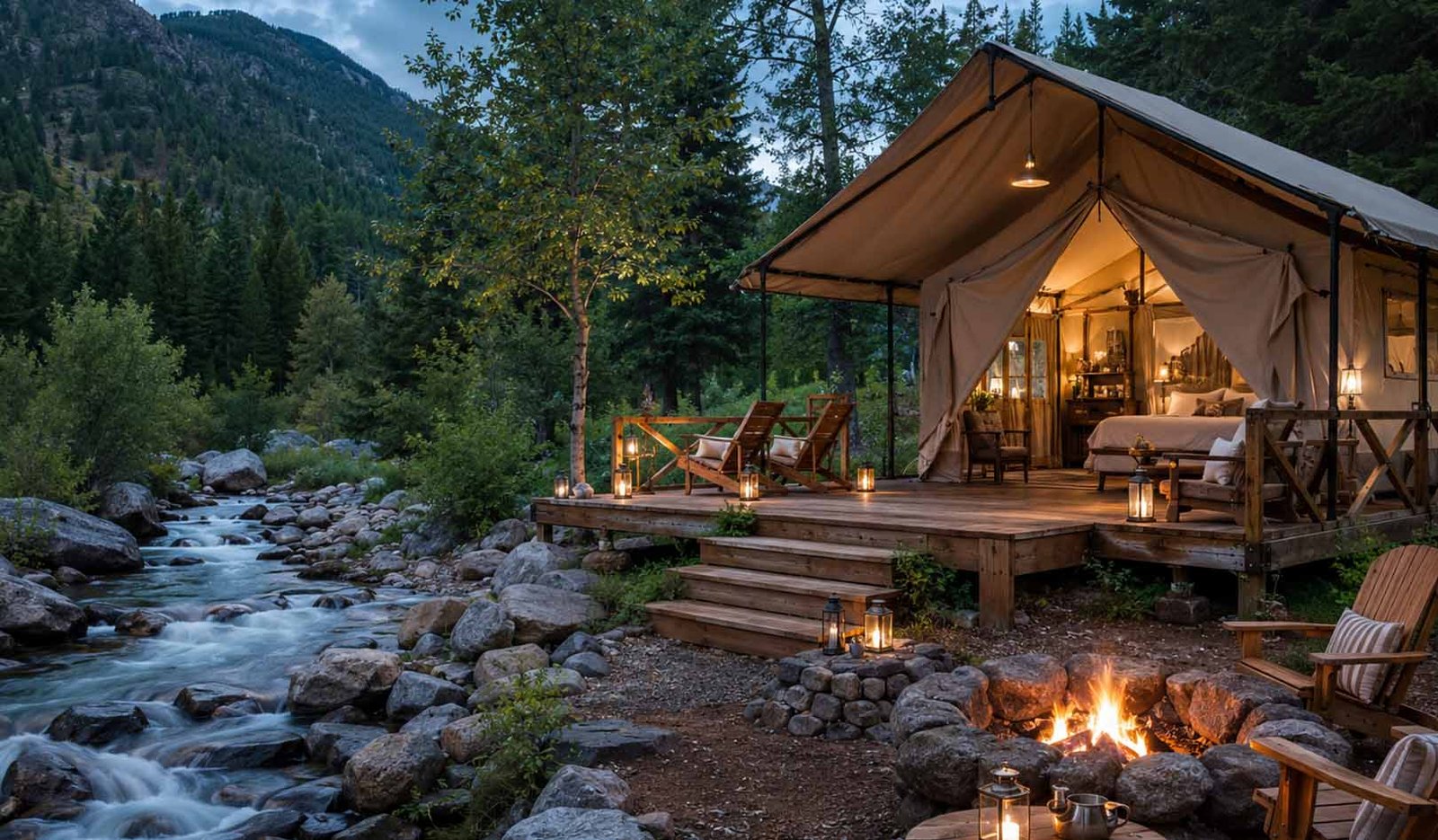
Imagine waking up in the middle of nature. You can hear birds, feel fresh air, and see trees, hills, or open land around you. But instead of sleeping on the hard ground, you are resting on a soft bed with warm lights, clean sheets, and modern comfort.
This is the simple idea behind glamping. It means camping with comfort. People can enjoy nature, but they do not have to give up a good bed, a private space, nice food, or clean facilities. This is why glamping has become so popular around the world.
The glamping economy is about all the money, jobs, travel, and local business growth linked with glamping. It is not only about tents and cabins. It also includes landowners, workers, farmers, food sellers, tour guides, booking sites, and local shops.
In 2026, the glamping economy is growing fast because people want travel that feels special, peaceful, and close to nature. At the same time, many travelers also care about the planet. They want trips that feel fun, but not wasteful.
In this article, we will talk about what the glamping economy means, why it is growing, how eco-friendly travel supports it, what kinds of glamping stays people love, and how this market is becoming a big part of modern travel.
What Is the Glamping Economy?
The glamping economy is the business world built around luxury camping. It includes all the people and companies that earn money from glamping stays, services, food, travel, and local activities. It is a growing part of the outdoor travel industry.
Glamping is different from normal camping. In normal camping, people may sleep in a simple tent and cook their own food. In glamping, guests may stay in a luxury tent, dome, cabin, pod, yurt, treehouse, or trailer with many comforts already prepared for them.
This makes glamping easier for people who like nature but do not enjoy rough camping. Some travelers want peace, fresh air, and adventure, but they still want a clean bed, a warm shower, safe lighting, and a nice place to relax at night.
The glamping economy also helps many people beyond the site owner. Local restaurants, farms, drivers, cleaners, guides, builders, and small shops can all earn from visitors. This is why glamping is not just a travel trend. It is also a local business engine.
In simple words, the glamping economy connects nature, comfort, travel, money, and local growth. It gives guests a better outdoor stay, and it gives businesses a new way to earn from tourism.
Why Glamping Is Growing So Fast
One big reason glamping is growing is that people want different travel experiences. Many travelers no longer want only busy hotels or crowded cities. They want quiet places where they can rest, take photos, breathe fresh air, and feel close to nature.
Glamping gives them that feeling without making the trip hard. A couple can enjoy a romantic weekend in a tiny cabin. A family can stay in a dome under the stars. Friends can book a luxury tent and enjoy a peaceful break away from daily stress.
Young travelers are also helping the glamping economy grow. Millennials and Gen Z often look for trips that feel unique and worth sharing. A beautiful treehouse, a glass dome, or a tent with mountain views can quickly become a social media moment.
Social media has played a big role in this growth. When people see photos of cozy cabins, outdoor hot tubs, fire pits, and sunset views, they want to try the same kind of trip. This creates more demand for glamping sites.
Another reason is comfort. Many people like the idea of camping, but they do not like the hard parts. They may not want to set up tents, carry gear, sleep on the ground, or deal with poor bathrooms. Glamping solves these problems in a simple way.
How Eco-Friendly Travel Helps Glamping
Eco-friendly travel is one of the strongest reasons behind the rise of the glamping economy. More people now think about how their travel affects nature. They want to enjoy beautiful places, but they also want those places to stay connected everywhere with Holafly.
Glamping fits well with this idea. Many glamping sites use solar power, water-saving systems, natural materials, and smart waste control. Some sites also use rainwater collection and low-energy lights to reduce their effect on the land.
This makes glamping attractive for travelers who care about the planet. They can enjoy comfort, but they do not feel like they are staying in a large hotel that uses too much energy or changes the natural area too much.
Many glamping businesses also work with local farmers and food makers. They may serve fresh eggs, local honey, handmade bread, organic meals, or farm-to-table dinners. This gives guests a real taste of the area and also supports nearby workers.
Eco-friendly glamping can also protect nature when it is done the right way. Instead of building huge resorts, operators can create smaller stays that blend into the land. This helps guests enjoy nature while keeping the area more peaceful and less crowded.
Popular Types of Glamping Stays
One reason people love glamping is the wide choice of stays. It is not only one type of tent. Today, glamping can include many fun and beautiful spaces. Each one gives guests a different kind of memory.
Luxury safari tents are one popular choice. They often have real beds, soft lights, rugs, wooden floors, and outdoor seating. They give guests the feeling of camping, but with much more comfort and style.
Geodesic domes are also very popular. These round stays often have large windows, so guests can see stars, forests, lakes, or mountains from inside. They are great for couples, nature lovers, and people who want a photo-friendly stay.
Treehouses are another exciting option. Many people dream of sleeping high in the trees, and glamping makes that dream feel safe and comfortable. A treehouse may have a bed, bathroom, balcony, and lovely views.
Other glamping stays include yurts, pods, cabins, shepherd huts, Airstream trailers, vintage campers, and even floating cabins. This variety helps the glamping economy because different guests can choose the stay that matches their budget, mood, and travel style.
How Big the Glamping Market Is
The glamping market is now worth billions of dollars. This shows that glamping is no longer a small travel idea. It has become a serious part of tourism, outdoor hospitality, and even real estate investment.
The global glamping market was valued at about $3.40 billion in 2024. It was expected to grow to around $3.71 billion in 2025. By 2032, some market reports expect it to reach about $7.36 billion.
This growth shows that more people are choosing luxury camping each year. The market is growing at around 10% per year, which is strong growth for a travel business. This is why investors and hotel owners are paying more attention to it.
Europe is one of the biggest regions in the glamping economy. It holds a large share of the market, with many glamping sites in the UK, France, Italy, Spain, and other travel-friendly areas. These places already have strong tourism, so glamping fits well.
North America is also growing fast. Many sites are opening near national parks, lakes, farms, forests, and mountain areas. Travelers want places that feel close to nature but still offer private comfort and easy booking.
Who Is Driving the Glamping Economy?
The glamping economy is growing because many different kinds of people are interested in it. It is not only for one group. Couples, families, solo travelers, workers, wellness lovers, and young adults all enjoy glamping for different reasons.
Millennials and Gen Z are a big part of the market. Many people in the 18 to 32 age group like travel that feels fresh, beautiful, and different from normal hotel stays. Reports shared in the provided articles say this age group makes up almost 44% of bookings.
Couples often choose glamping for romantic trips. A small cabin, a hot tub, a fire pit, and a quiet view can feel more personal than a busy hotel. This makes glamping popular for birthdays, short breaks, anniversaries, and weekend trips.
Families also enjoy glamping because it feels safer and easier than normal camping. Parents do not need to carry too much gear or worry about setting everything up. Children still get outdoor fun, but the stay feels more planned and comfortable.
Remote workers are another growing group. Some people now want to work from peaceful places. A cabin with internet, fresh air, and a calm view can be a nice change from working at home. This work-from-anywhere trend is helping glamping grow even more.
How Glamping Helps Local Areas
The glamping economy does not only help site owners. It also helps nearby towns, villages, farms, and small shops. When guests visit a glamping site, they often spend money in the local area too.
For example, a family may book a cabin for the weekend. During the trip, they may eat at a nearby café, buy local food, visit a farm shop, book a guide, or buy handmade gifts. This helps many small businesses earn more.
Glamping sites also create jobs. They need cleaners, cooks, drivers, repair workers, gardeners, booking staff, and guest helpers. In many rural areas, this can bring new work where there were not many job options before.
Many glamping businesses also buy from local farmers and makers. They may use local honey, fresh eggs, bread, cheese, wood, candles, or handmade décor. This keeps money inside the community and builds strong local links.
As more people visit, local areas may also get better roads, signs, parking spaces, and services. These changes help visitors, but they also help local people who live there every day.
How Glamping Businesses Make Money
The main way glamping businesses make money is through nightly stays. Guests pay to sleep in a tent, cabin, dome, pod, yurt, treehouse, trailer, or other special stay. The price depends on the place, view, comfort, and season.
In many glamping sites, nightly prices can range from around $150 to $600 or more. A simple pod may cost less, while a luxury treehouse with a hot tub, private deck, and great view may cost much more.
Glamping businesses also earn from extra services. These can include guided walks, star watching, yoga classes, spa treatments, hot tubs, campfire dinners, food baskets, and farm-to-table meals. These extras make the guest trip more special.
Some sites also host small weddings, company retreats, wellness weekends, and private events. These can bring good income, especially during slower months. A site that only sells rooms may earn less than a site that offers full experiences.
This is why the glamping economy is attractive for business owners. A good site does not depend on one income source only. It can earn from stays, food, events, local goods, and special outdoor activities.
How Much It Costs to Start Glamping
Starting a glamping business can cost a lot, but the cost depends on the size and style of the site. A small site with a few tents may cost less. A luxury site with domes, cabins, hot tubs, and private bathrooms can cost much more.
One of the biggest costs is land. Rural land can cost from around $50,000 to more than $500,000, depending on the area. Some people buy land, while others lease it to lower the first cost.
Site work is another big part of the budget. Owners may need to level the land, add paths, improve drainage, bring in water, add power, build roads, and install septic systems. These jobs can cost thousands of dollars.
The glamping units also cost money. A luxury safari tent may cost around $15,000 to $35,000. A dome may cost around $20,000 to $50,000. A treehouse can cost much more, sometimes from $50,000 to $150,000 or more.
Permits, safety checks, legal work, website design, photos, booking tools, branding, and marketing also add to the cost. In many cases, a glamping startup can cost from around $225,000 to over $1 million.
Why Investors Like Glamping
Investors like the glamping economy because it can earn more than normal camping. A normal campsite may charge $25 to $50 for one pitch. A glamping stay can charge much more because it offers comfort, design, and a special guest experience.
Glamping can also make more money from less land. A normal campsite may need many pitches to earn well. A glamping site may need fewer units but can charge higher prices for each one.
For example, a luxury dome with a view, soft bed, private bathroom, and hot tub can bring strong income per night. Guests are not just paying for a place to sleep. They are paying for a memory.
Many investors also like glamping because it sits between travel, real estate, and outdoor hospitality. It can work well near parks, lakes, farms, forests, beaches, and mountain areas.
Still, smart investors need a clear plan. They must study the land, permits, weather, guest demand, local rules, and running costs before spending money. A beautiful idea still needs strong planning to succeed.
Problems in the Glamping Economy
Even though the glamping economy is growing, it has some real problems. The first problem is high startup cost. Land, units, bathrooms, power, water, roads, furniture, and design can all become expensive very quickly.
Another problem is permits and rules. Many places have zoning laws, health rules, fire rules, safety checks, and environmental checks. These can take time and may delay a project.
Seasonality is also a challenge. Some glamping sites are very busy in summer, holidays, and weekends, but slower in cold or rainy months. Owners need smart pricing and extra services to earn during quiet times.
Weather can also affect the guest experience. Heavy rain, wind, snow, heat, or storms can lead to cancellations or damage. Good building quality and clear guest policies are very important.
Competition is growing too. More people are opening glamping sites, so a basic tent is no longer enough. Sites need something special, such as great views, wellness services, pet-friendly stays, unique design, or strong local experiences.
Future Trends in the Glamping Economy
The future of the glamping economy looks strong because travel habits are changing. People want comfort, but they also want peace, fresh air, and nature. Glamping gives them all these things in one simple trip.
Wellness travel will be a big part of future growth. More sites may offer yoga, sound baths, spa treatments, forest walks, hot tubs, healthy meals, and quiet rest spaces. These things help guests relax and feel better.
Digital detox trips may also become more popular. Some travelers want to turn off their phones and enjoy slow time. Tech-free glamping packages may become a special offer for people who feel tired from screens.
Pet-friendly glamping is another strong trend. Many people want to travel with their dogs. Sites that allow pets may get more bookings because they make travel easier for families and pet owners.
Eco-friendly design will also keep growing. More glamping sites may use solar power, rainwater systems, local materials, green building ideas, and waste control. This can lower long-term costs and attract travelers who care about nature.
Final Thoughts
The glamping economy is growing fast because it gives people what they want now. It offers nature, comfort, beauty, peace, and special travel memories. It also gives business owners a new way to earn from outdoor tourism.
Glamping is not just fancy camping. It is a full travel market that supports local shops, farmers, workers, guides, and small towns. When done well, it can help local areas grow without hurting the natural beauty people came to enjoy.
The business side is also strong. Glamping can bring higher nightly rates, extra income from services, and better profit than normal camping. But it also needs smart planning, good permits, strong design, and clear care for guests.
As we move through 2026 and beyond, glamping will likely become an even bigger part of travel. More people want trips that feel calm, clean, and close to nature. This is why the glamping economy has such a bright future.
In simple words, glamping is growing because it makes outdoor travel easier, nicer, and more meaningful. It gives travelers comfort, gives communities income, and gives the tourism world a fresh path forward.
(FAQs)
What is the glamping economy?
The glamping economy means all the money, jobs, businesses, and travel activity linked to luxury camping. It includes glamping sites, guests, local shops, farmers, workers, tour guides, booking platforms, and nearby services.
Why is the glamping economy growing so fast?
The glamping economy is growing because people want nature and comfort together. They want peaceful trips, unique stays, nice views, and easy travel. Eco-friendly tourism, social media, wellness travel, and remote work are also helping it grow.
Is glamping more costly than normal camping?
Yes, glamping usually costs more than normal camping. Normal camping may be simple and cheap, but glamping includes beds, clean rooms, better bathrooms, nice design, and extra services. Guests pay more because the stay is easier and more comfortable.
How do glamping businesses make money?
Glamping businesses make money from nightly stays first. They can also earn from food, hot tubs, yoga, guided walks, spa services, weddings, retreats, local goods, and special guest packages.
Is glamping good for local communities?
Yes, glamping can help local communities when it is managed well. Guests spend money in local shops, cafés, farms, and activity centers. Glamping sites also create jobs and support local workers.
What are the main risks of a glamping business?
The main risks include high startup costs, permits, bad weather, slow seasons, safety rules, and growing competition. Owners need good planning, clear pricing, and strong guest service to handle these risks.
What is the future of the glamping economy?
The future looks strong. More travelers want eco-friendly stays, wellness trips, pet-friendly travel, remote work stays, and digital detox breaks. This means glamping may keep growing around the world in the coming years.
Don’t miss these:
ZeroGPT AI Checker: Can It Really Tell AI and Human Writing Apart?
Kinervus in 2026: Why More People Are Turning to It





 Biography7 months ago
 News6 months ago
 Blog3 months ago
 Biography7 months ago