Choosing the right protective layers for your property depends heavily on local climate variables and your specific aesthetic goals. High-quality outdoor garden screening serves as both a functional partition and a design element, balancing durability with visual appeal. By selecting materials engineered for harsh conditions, you ensure your investment stays intact regardless of the season.
Selecting the correct material is the first step toward long-term satisfaction and minimal upkeep for your home. Designers often look for durability profiles that match their local environment to ensure that the material withstands moisture, heavy heat, or high winds consistently. Many find that proper installation is just as critical as the base product chosen for the job.
Once established, these structures redefine how homeowners interact with their own property by creating clear boundaries and private zones. This article explores how to select, place, and maintain these additions for maximum utility. Investing in quality structures allows for the creation of versatile and inviting outdoor spaces that remain useful throughout the changing weather patterns of the year.
Powder-coated aluminum for rust prevention
Aluminum structures are favored for their low weight and inherent resistance to oxidation, especially when treated with a high-grade powder coating. This finish creates a sealed barrier that blocks humidity, preventing the material from pitting or rusting over time. It is a reliable choice for coastal gardens or humid regions where metallic components often struggle.
Composite panels for moisture resistance
Composite screening materials blend fiber and polymer components to create slabs that refuse to warp or rot when exposed to consistent dampness. These panels offer the look of natural elements without the susceptibility to moisture-driven decay. They provide a stable, consistent surface that handles year-round moisture exposure effectively.
Corten steel for natural weathering and longevity
Corten steel is prized for its ability to form a stable, rust-like appearance that acts as a protective layer rather than a path to destruction. As it oxidizes in the open air, the surface hardens and prevents deeper corrosion from taking hold. This architectural material offers a unique, evolving aesthetic that only improves with extended outdoor exposure.
UV-stabilized materials for shade and sun protection
Materials designed with UV stabilizers prevent the breakdown of structural polymers when under high, direct sunlight for many hours each day. Without these additives, intense solar radiation often leads to brittle surfaces and discolored panels within just a few seasons. Incorporating stabilized materials maintains both the structural integrity and the original color vibrancy in sun-baked locations.
Elevating outdoor comfort through climate-resilient barriers
Climate-resilient barriers transform an underutilized yard into an extension of the primary living space, regardless of exterior temperatures. These installations block out harsh environmental factors, allowing for more time spent outside in comfort. Careful material selection helps ensure these barriers remain effective in shielding residents from common outdoor inconveniences.
Implementing these barriers creates a protected micro-climate suited for relaxing during mornings or evenings throughout the year. When you add screens to exposed areas, you reduce the impact of blowing dust or debris that interrupts a quiet afternoon. Proper airflow management through these screens maintains a refreshing breeze while blocking harsh, direct wind gusts that chill the area.
Effective shielding strategies allow homeowners to reclaim sections of their property previously kept off-limits due to extreme heat or windy conditions. By focusing on the structural benefits of these installations, you significantly reduce the need for constant heating or cooling accessories. This approach maximizes the utility of your property during both the shoulder seasons and the peak of summer or winter.
Creating windbreaks for comfortable late-season usage
Effective windbreaks rely on strategically placed, sturdy screening to break the force of the wind before it reaches your sitting area. This simple physical obstruction creates a calm pocket that retains heat during cooler evenings. By reducing wind chill, these barriers allow for outdoor activities to continue well into the late autumn months.
Optimizing shade to extend mid-day outdoor activities
Solar management is essential for utilizing outdoor areas during the peak heat of the day, particularly in arid or sun-drenched regions. Adjustable screening, such as panels from the Dura-Shield range, provides constant cooling shadows that prevent furniture from overheating. This addition keeps the floor and seating cool, extending the hours when you can comfortably enjoy your yard.
Improving privacy levels for continuous leisure time
Privacy screening creates a sense of seclusion, turning open lawns into intimate, shielded retreats. When placed around seating clusters, these screens act as effective visual barriers that block out street traffic or nearby neighbors. This added layer of intimacy makes outdoor leisure feel more enclosed and peaceful, promoting longer periods of relaxation.
Managing acoustics to reduce urban noise distractions
Noise interference from traffic or neighborhood activity often discourages outdoor usage, but correctly placed screens can help mitigate this. Dense, solid panels serve as sound-dampening obstacles that reflect or absorb incoming noise energy. Effectively blocking out these disturbances creates a more soothing background for your daily garden experience.
Strategic placement for year-round space optimization
Strategic layout planning ensures your screening serves its purpose without obstructing access or view lines within your property. Designers focus heavily on the specific angles of prevailing winds and seasonal sun movement to inform placement choices. The goal is to move beyond mere aesthetics and create a structure that actively improves the environment of each outdoor room.
Once the primary goal is set, deciding on layout patterns that divide the yard into functional zones becomes the next major step. A well-designed sequence of screens can hide utility areas while highlighting garden beds or dining decks. These divisions create an organic flow that encourages using the space in its entirety instead of staying on one confined patio.
Space optimization is not a static task but one that shifts as the seasons transition, making flexible installation planning a top priority. Professionals often recommend evaluating how shadows lengthen or shrink as the year progresses to ensure that shade panels remain placed optimally. Careful navigation of these seasonal factors results in a garden that satisfies utility needs throughout the entire calendar year.
Evaluating prevailing wind patterns on your property
Wind mapping allows you to identify which areas receive the most force throughout the year before committing to permanent installations. By observing the movement of trees or flags, you can determine where your screening must be most reinforced. This prep work prevents wasted effort and ensures that your barriers are positioned for maximum effectiveness.
Maximizing solar gain during cooler months
Allowing low-angle winter sunlight into your garden space keeps pathways clear and seating areas warmer during the colder parts of the year. Placing screens so they do not block that precious winter light, while still providing wind protection, is a necessary balance. Smart orientation of panels can preserve warmth where you want it most during the dormant season.
Positioning screens for seasonal sun movement
Understanding the sun path allows for the selection of screen heights and gaps that accommodate its changing altitude from summer to winter. You can often adjust layouts or select modular screen components to shift focus as the sun moves across your property. This proactive alignment ensures the screening provides consistent shade benefits as the season changes.
Using screening to partition multi-functional outdoor rooms
Partitioning your yard requires a thoughtful approach to ensure it does not feel cramped or overly confined. We recommend selecting screening that balances visual transparency with structural security to divide zones effectively. Here are a few ways to partition your space effectively:
- Use moderate-height screens to separate cooking areas from lounging zones.
- Incorporate open-work patterns to allow for airflow between partitioning sections.
- Create distinct pathways using staggered placement to guide visitors around corners.
- Add corner screens to define the edges of dining zones without closing off the area entirely.
This deliberate partitioning style helps keep high-traffic work zones clean and separated from peaceful sitting environments. Efficiently managing these boundaries encourages a more purposeful use of every square foot within your property.
Engineering stability for high-weather environments
Ensuring structural integrity is the most important component when building for high-weather environments, including areas prone to strong gusts or heavy snowfall. Engineers prioritize robust grounding to translate wind pressure into the foundation correctly. If the base mounting is undersized, the entire screen may shift during extreme events, risking damage to other garden elements.
Engineered stability involves not just the screen material itself, but the entire support system connecting it to the earth. Proper foundations prevent shifting during saturated soil periods when ground stability fluctuates significantly. Using professional-grade, rust-resistant mounting hardware provides the security necessary for a lifetime of service, keeping panels upright in challenging weather.
Designers emphasize using consistent anchoring solutions for both fixed and freestanding units to prevent potential failures. While freestanding units offer more portability, fixed screens often benefit from deeper foundation pits or heavy concrete footings tailored to local frost levels. Engineering these connections is a one-time effort that provides lasting peace of mind.
Selecting robust mounting hardware for storm protection
High-quality expansion bolts and seismic-grade brackets provide the connection strength required for keeping panels in place during intense weather. Products such as the Titan-Mount anchor set are designed to resist the shearing forces common in hurricane or storm-prone zones. Investing in this base hardware ensures your garden features remain safe even under significant wind pressure.
Choosing freestanding versus fixed screen installations
Fixed installations provide superior rigidity for permanent privacy solutions and large-scale structural partitioning. Freestanding options, however, allow for modular movement as your needs for shade or privacy change across the property. Choosing between these depends on whether your project requires high-wind stability or the flexibility to adjust your garden layout periodically.
Understanding foundation requirements for varied soil conditions
Different soil types require unique foundation strategies to prevent sinking or leaning over months of usage. Clay-based soils often require deeper, wider footings to handle heavy moisture absorption, ensuring the screen remains plumb. Consulting local requirements for footing depth protects your installation against shifting regardless of your property’s specific ground composition.
Integrating support structures to handle heavy winds or snow loads
For added durability, you can incorporate additional vertical bracing hidden behind standard screening designs. These structural supports distribute wind-load stress across more points, preventing bowing in large, flat panels. The following table provides a comparison of typical stabilization methods for different wind environments:
| Feature |
Light Breeze |
Moderate Gusts |
High Storm Loads |
| Foundation Base |
Standard Stake |
Concrete Pad |
Deep Pier Footings |
| Panel Material |
Lightweight PVC |
Aluminum |
Reinforced Steel |
| Bracing Needed |
Minimal |
Lateral Rails |
Cross-Bracing Frames |
These reinforced configurations ensure that your screens maintain their structural form throughout the toughest conditions. Proper engineering of these hidden supports directly translates to reduced maintenance costs later.
Maintenance and care for long-lasting performance
Routine maintenance ensures your garden screening retains its beautiful finish and structural strength for many years. Neglecting small signs of wear often leads to premature degradation of both the coating and the underlying material. Following a consistent checklist keeps your garden looking professional and well-cared for throughout the year.
Materials differ in their care needs, ranging from simple pressure cleaning to specific touch-up procedures. Aluminum and composite screens are generally the easiest to maintain, while Corten or wood may require more specialized efforts for specific aesthetic outcomes. Knowing your material’s unique needs saves you time during your cleaning rhythm.
Preventative care is far more efficient than waiting for failures, especially regarding rust prevention or hardware tightening. Regularly checking the connections keeps the structure tight and prevents vibrations that usually cause noise issues during windy weather. Dedicated attention to your screens adds significantly to their lifespan and improves the overall look of your outdoor landscape.
Seasonal cleaning schedules for different screening materials
Developing a cleaning schedule tailored to your material ensures you are removing buildup before it causes discoloration or damage. Mild, non-abrasive cleaners usually suffice for most screens, but specialized solutions are necessary for natural metals. You should aim to clear away dust, pollen, and debris at the start and end of every spring and autumn.
Inspecting hardware for signs of oxidation or wear
Hardware checks should focus on all connection points where the screen meets the wall or the ground. Look for loose bolts or signs of light oxidation that could spread to the main body of your screen. Replacing any fasteners showing deep wear early on protects the integrity of the whole structure from unexpected failure.
Touching up protective coatings to prevent premature decay
If you notice scratches that expose the base material in aluminum or composite screens, immediate touch-ups preserve the protective layer. Protective sprays or paint specifically formulated for outdoor metal products block moisture entry points effectively. Proper coating maintenance prevents localized corrosion from compromising the entire appearance of the screen.
Winterizing techniques for screen-adjacent garden elements
Winterizing involves clearing base areas of deep snow or debris that traps moisture against the bottom of your screens. Placing small spacers under the bases can help facilitate drainage, preventing structural parts from sitting in freezing water or cold damp earth. These light adjustments reduce stress on your systems until the spring season returns.
Enhancing garden aesthetics with weather-resistant designs
Functionality, when paired with high-quality design, produces a visual that defines an entire garden theme. Weather-resistant screening provides a canvas for artistic exploration, allowing for light play, texture, and color interaction. Modern manufacturers produce diverse designs that blend seamlessly with both formal landscaping and wilder, naturalistic gardens.
Selecting patterns that complement your existing plant palette encourages a cohesive look that feels intentional and well-designed. Whether you prefer the geometric clarity of laser-cut metal or the warmth of integrated wood tones, the right material choice makes a permanent difference. Your goal is to choose a design that remains beautiful regardless of how the surrounding foliage changes color with the season.
Finally, the addition of vertical elements creates a sense of depth that a flat garden often lacks. By combining varied materials and heights, you craft a structural silhouette that stays visible throughout the winter months. Incorporating functional design elements provides a foundation for both present enjoyment and future landscaping growth across your property.
Modern laser-cut patterns for interesting light play
Laser-cut panels create beautiful silhouettes on your patio floors as sunlight moves across the garden during the day. Choosing patterns that balance open space with structural density ensures you receive both light patterns and privacy. These geometric designs offer a sophisticated focal point that elevates the typical privacy screen into a sculptural feature.
Incorporating climbing plants with functional trellis designs
Plants soften the appearance of rigid materials while providing a living, shifting cover that adds life to your screen barrier. Choosing hardy native climbers allows the greenery to thrive in your local conditions and integrate with the screen surface over several years. This collaboration between nature and engineering provides a dense, natural cover that is both effective and beautiful.
Selecting colors that complement changing seasonal foliage
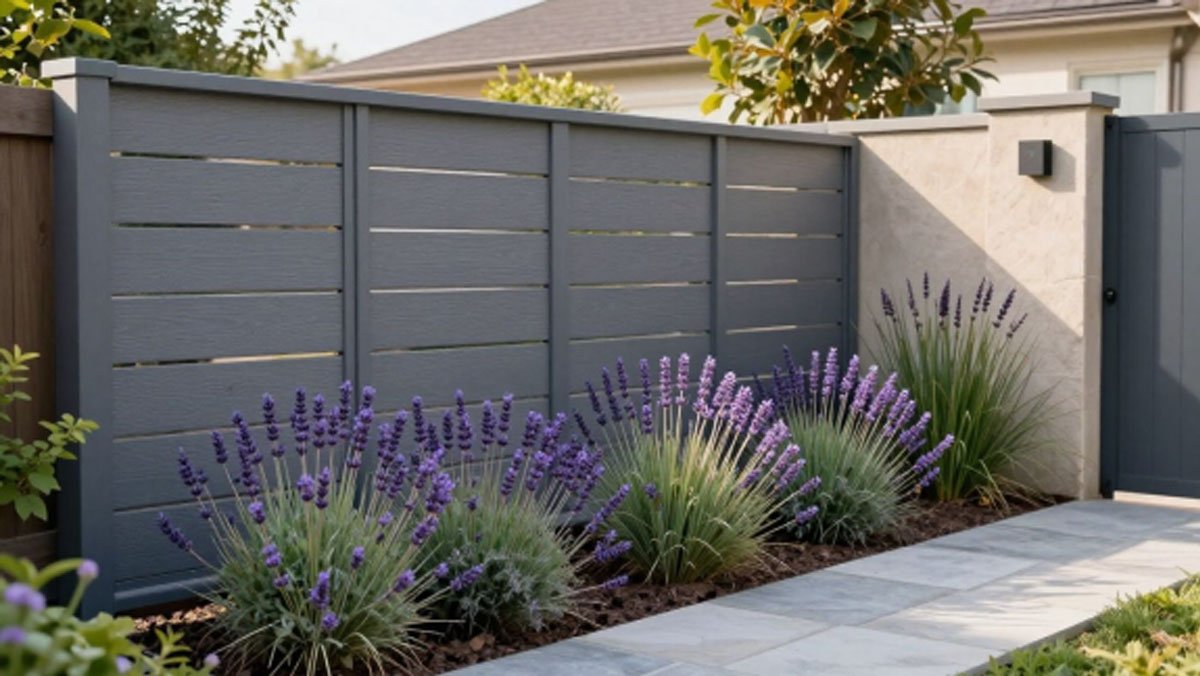
Selecting tones such as earthen bronze, forest green, or charcoal matte keeps your screening relevant throughout the color shifts of the year. Consider how your chosen panel color interacts with the autumn leaves or the bright spring flowers nearby. A neutral base allows the palette of your garden to take center stage, while the screen provides a sophisticated and steady backdrop.
Combining diverse materials for a textured, architectural appearance
Mixing metals with wood or natural stone textures introduces an architectural complexity that feels custom-built for your specific site. You can attach metal frames to composite inner panels to provide both high-end structure and durable fill. This approach ensures your backyard design feels cohesive, providing several layers of interest for both intimate and open spaces.
Conclusion
Selecting the right outdoor garden screening adds long-term value to your property by combining weather-resistant materials with thoughtful placement. By prioritizing structural integrity while exploring creative design patterns, you can turn any yard into a secure and beautiful year-round living space that stands up to the elements.





 Biography7 months ago
 News6 months ago
 Blog4 months ago
 Biography7 months ago