Have you ever seen a small green herb on your food and wondered what it is? That fresh and bright herb is often called koriandri. Many people use it every day, but they don’t always know how useful it really is.
Koriandri, also known as coriander, is more than just a simple garnish. It is used in homes, street food, and big kitchens all around the world. From spicy curries to fresh salads, this herb adds life to food.
You might be thinking, “Is it just for taste?” The answer is no. Koriandri also has health benefits, a long history, and many uses that people still follow in 2026. It connects food, culture, and simple living in a very natural way.
In this article, we will explore everything about koriandri in a very easy way. You will learn what it is, how it tastes, where it comes from, and how you can use it in your daily life. Let’s start step by step.
What Is Koriandri?
Koriandri is a green herb that people use in cooking and simple home habits. Its scientific name is Coriandrum sativum. It belongs to the same plant family as parsley, carrot, and celery, which means it is safe, natural, and easy to use.
One special thing about koriandri is that the whole plant is useful. You can use the leaves, stems, seeds, and even the roots. This makes it different from many other herbs that only have one main use.
Think of it like this. One plant gives you many options. The fresh green leaves are used for light and fresh taste. The seeds are used as a warm spice. This makes koriandri very flexible in the kitchen.
Because of this, koriandri is used in both simple meals and rich dishes. Whether you are cooking at home or eating outside, you will often find it adding flavor and freshness.
Different Names of Koriandri
Koriandri has many names, and this is where many people feel confused. But don’t worry, it is actually very simple once you understand it.
In North America, people use the word cilantro for the fresh leaves. They use the word coriander for the seeds. So even though it is the same plant, the name changes based on the part being used.
In South Asia, it is called dhania or dhaniya. In some Asian countries, it is known as Chinese parsley. These names come from local languages and food traditions.
So, all these names point to the same plant. The difference is just in how people speak and cook. Once you understand this, everything becomes much easier.
Where Koriandri Comes From
Koriandri has a very long and interesting history. It is believed to have started in the Mediterranean region and North Africa many years ago.
In ancient Egypt, people used coriander in daily life and even placed it in tombs. This shows how important it was to them. It was not just food, but part of their culture.
Later, the Greeks and Romans also used koriandri. They used it in cooking and even to keep food fresh. This helped the herb spread to more places.
As trade routes grew, koriandri traveled to Asia, the Middle East, and Europe. Over time, it became part of many cultures and kitchens around the world.
How Koriandri Plant Looks
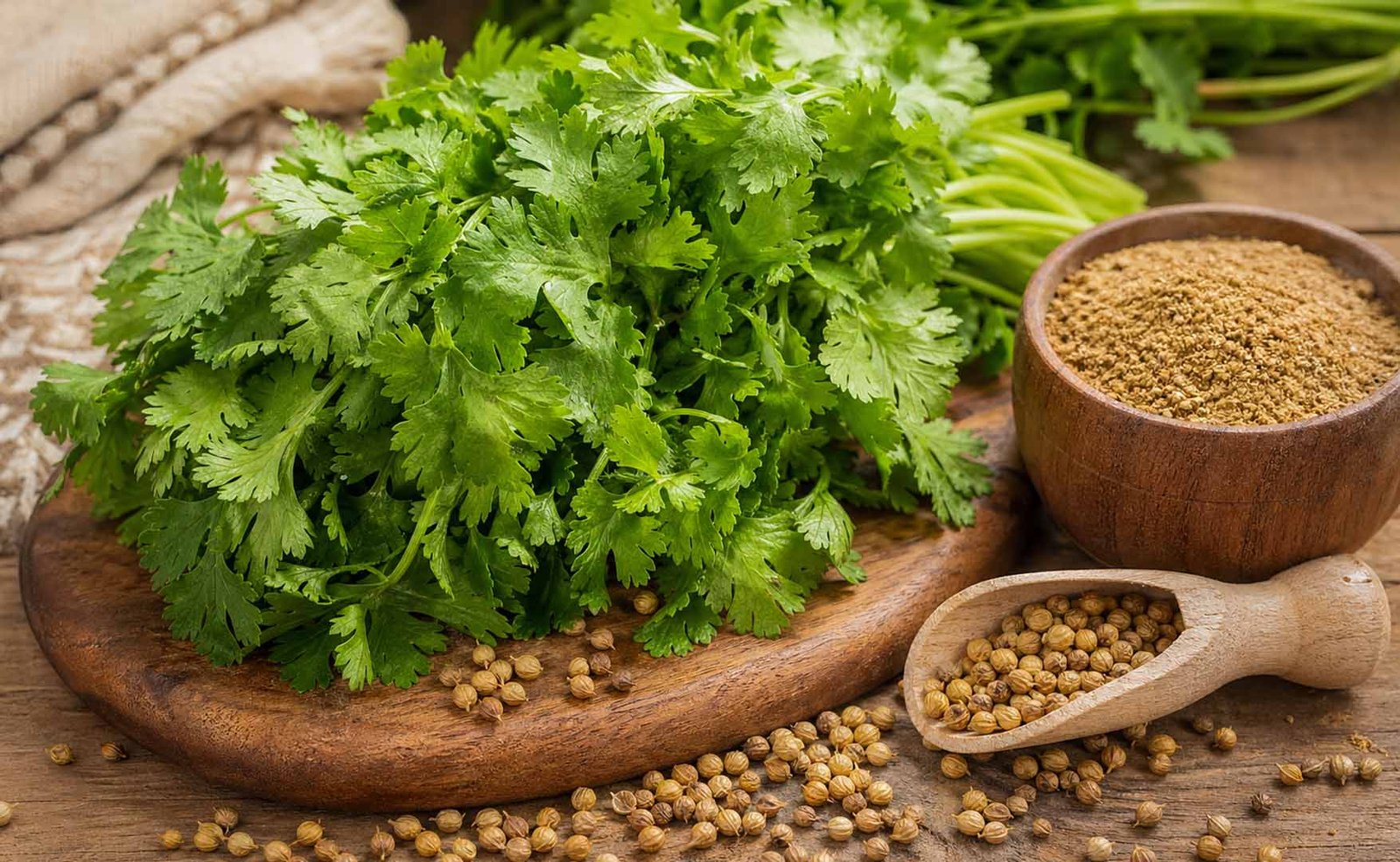
Koriandri is easy to recognize once you see it closely. The leaves are bright green and soft. They look light and slightly feathery, which makes them stand out.
The stems are thin and tender. Many people throw them away, but they are full of flavor and can be used in cooking too. They add a deeper taste to sauces and soups.
When the plant grows more, it produces small white or pink flowers. These flowers later turn into seeds. These seeds are round, light brown, and used as a spice.
The plant grows fast and does not need much care. This is why many people like to grow it at home. It gives fresh leaves quickly and later gives seeds too.
Parts of Koriandri and Their Uses
Koriandri is very special because every part of it can be used. This makes it more useful than many other herbs.
The leaves are the most common part. People chop them and add them on top of food like rice, soups, and salads. They make food look fresh and taste better.
The stems are also full of flavor. Many people use them in sauces, chutneys, and soups. They blend well and give a strong taste.
The seeds are used as a spice. You can use them whole or grind them into powder. In some Asian dishes, even the roots are used to add a deep and rich flavor.
What Does Koriandri Taste Like?
The taste of koriandri depends on which part you are using. The leaves and seeds taste very different, and this is what makes the plant interesting.
The leaves taste fresh, light, and a little citrusy. They feel cool and clean in the mouth. That is why people add them at the end of cooking to keep the fresh taste.
The seeds taste warm and slightly sweet. They have a nutty and mild spicy flavor. When you toast them, the taste becomes stronger and richer.
There is also something surprising. Some people say koriandri tastes like soap. This happens because of a natural difference in how their body senses taste. It is not the herb’s fault.How Koriandri Is Used in Food
Koriandri is used in many types of food around the world. It fits into different styles of cooking very easily.
In South Asia, it is used in curries, chutneys, and rice dishes. In the Middle East, it is used in spice mixes and grilled food. In Latin America, it is added to salsa and tacos.
In Asian dishes, it is used in soups and noodles. In Mediterranean food, it is used in roasted vegetables and bread. This shows how global this herb really is.
The leavs are used fresh for a bright taste. The seeds are used in cooking for a deeper flavor. This gives cooks two options from one plant.
Koriandri Nutrition You Should Know
Koriandri is not just about taste. It also gives your body useful nutrients. The best part is that it is low in calories, so you can use it freely.
The fresh leaves are rich in vitamins like A, C, and K. These vitamins help your body stay strong. They support your skin, bones, and immune system.
The seeds are rich in minerals like iron, magnesium, and manganese. They also contain fiber, which helps your digestion stay smooth.
Koriandri also has natural compounds and antioxidants. These help protect your body and keep it healthy over time.
Health Benefits of Koriandri
Many people use koriandri not just for food, but also for health. It has been used in homes for many years for simple support.
Koriandri may help digestion. It can reduce gas and bloating and make your stomach feel lighter. This is why it is often added to heavy meals.
It may also support heart health. Some studies suggest it can help balance cholesterol and blood pressure. It also helps the body remove extra salt.
Koriandri may help with blood sugar balance too. But it is important to remember that it is not a medicine. It is just a helpful part of a healthy diet.Koriandri in Old Traditions
Koriandri has been used in simple home life for a very long time. In many old systems like Ayurveda, people saw it as a cooling herb. They believed it helped the body feel calm and light, especially in hot weather.
In many homes, people used koriandri in small daily habits. For example, after a heavy meal, they would drink coriander seed water. This was a simple way to help the stomach feel better and more relaxed.
In Middle Eastern and Asian homes, koriandri was also part of natural healing. It was not used as a strong medicine, but as a gentle helper. People trusted it because it was simple and easy to use.
Even today in 2026, many families still follow these habits. This shows how koriandri connects old traditions with modern life in a very natural way.
Easy Ways to Use Koriandri Daily
Adding koriandri to your daily food is very easy. You do not need to change your meals in a big way. Just small steps can make your food more fresh and tasty.
Start by adding fresh koriandri leaves on top of your food. You can use it on rice, soups, eggs, or even snacks. It adds color, smell, and a light fresh taste.
You can also make simple chutney at home. Mix koriandri with garlic, lemon, and a little chili. This quick mix can turn simple food into something exciting.
Another easy idea is coriander water. Soak a small spoon of seeds in warm water, then drink it later. Many people enjoy this simple drink, especially in warm weather.
How to Grow Koriandri at Home
Growing koriandri at home is simple and fun. You do not need a big garden. Even a small pot on a window or balcony can work well.
Start by putting seeds in soft soil. Make sure the place gets some sunlight. Water it lightly so the soil stays a little moist but not too wet.
After a few days, small green leaves will start to grow. This is the best part because you can see your plant growing quickly. It feels nice and fresh.
When the plant grows bigger, you can cut the outer leaves and use them. If you wait longer, the plant will give seeds. So one plant can give you both leaves and spice.
How to Store Koriandri Properly
Fresh koriandri can dry quickly if you do not store it well. But with a few easy steps, you can keep it fresh for a longer time.
One simple way is to place the stems in a glass of water. Just like flowers, this helps the leaves stay fresh. You can keep it in the fridge for better results.
Another way is to wrap the leaves in a damp paper towel. Then place them in a box or bag. This keeps the right amount of moisture.
For seeds, storage is even easier. Keep them in a dry jar and away from heat. This helps keep their smell and taste strong for many weeks.
Safety Tips and Side Effects
Koriandri is safe for most people when used in normal food amounts. It is a natural herb and has been used safely for many years.
But in rare cases, some people may have an allergy. They may feel itching or see a skin rash. If this happens, it is better to stop using it.
Koriandri may also affect blood sugar and blood pressure. This can be helpful for some people, but risky for others who take medicine.
So if you want to use large amounts or daily drinks, it is always safe to ask a doctor. In normal cooking, it is gentle and safe.
Why Koriandri Is Still Popular Today
In 2026, many people want simple and natural food. Koriandri fits perfectly into this idea. It is fresh, easy, and full of light flavor.
Many people are now cooking at home more often. They like fresh herbs, and koriandri is one of the easiest to use. It works in many types of food.
It is also popular in plant-based diets. It adds taste to simple vegetable dishes and makes them more exciting without extra effort.
Koriandri is also used in modern mixed-style cooking. People mix foods from different cultures, and this herb fits easily in all of them.
Final Thoughts
Koriandri may look like a simple herb, but it has many uses. It adds fresh taste to food and also gives small health benefits in daily life.
It is easy to use, easy to grow, and easy to enjoy. You do not need special skills or tools. Just a small amount can make your food better.
From old traditions to modern kitchens, koriandri still holds its place. It connects food, culture, and simple living in a natural way.
So next time you see koriandri, try adding it to your meal. You may be surprised how such a small herb can make a big difference.
(FAQs)
What is koriandri in simple words?
Koriandri is a green herb used in cooking. It is also known as coriander or cilantro. The leaves are fresh, and the seeds are used as a spice.
Is koriandri the same as coriander and cilantro?
Yes, they are the same plant. The difference is only in the name. Some people call the leaves cilantro and the seeds coriander.
Why do some people not like koriandri?
Some people feel that koriandri tastes like soap. This happens because of how their body senses taste. It is a natural thing and not a problem.
Is koriandri good for health?
Yes, koriandri has vitamins and helpful plant compounds. It may help digestion and support the body. But it is not a medicine.
Can I use koriandri every day?
Yes, you can use it daily in small amounts. It is safe and easy to add to food like rice, soup, and salads.
Can I grow koriandri at home?
Yes, it is very easy to grow. You just need seeds, sunlight, and a little water. It grows fast and gives fresh leaves quickly.
How do I store koriandri for longer?
Keep fresh leaves in water or wrap them in a damp towel and store in the fridge. Keep seeds in a dry jar away from heat.
Don’t miss these:
Schedow Guide 2026: A Simple Way to Stay Organized and Focused
Wa69utp Explained: Why Everyone Is Talking About It Right Now





 Biography6 months ago
 News6 months ago
 Blog3 months ago
 Biography6 months ago