A home’s roof is one of its most important structural components because it provides constant protection against harsh weather, moisture, temperature changes, and environmental wear. While many homeowners focus on upgrading kitchens, bathrooms, or landscaping, the roof often receives attention only after visible problems begin to appear. Unfortunately, waiting until leaks develop or shingles start falling away can result in costly repairs that affect much more than the roof itself. Water entering through damaged roofing materials can weaken wooden framing, ruin insulation, stain ceilings, promote mold growth, and even damage electrical systems. Investing in professional roofing services is one of the smartest decisions homeowners can make because a properly installed and well-maintained roof protects the entire property while improving comfort, energy efficiency, and long-term value.
Modern roofing systems are designed to do much more than simply keep rain out of a house. They are complete systems made up of multiple layers and components that work together to create a strong barrier against weather and moisture. Roofing materials, underlayment, roof decking, flashing, ventilation systems, insulation, gutters, and drainage channels each play an important role in maintaining the structural integrity of the building. When every component functions correctly, the roof provides dependable protection throughout every season. However, if even one part begins to fail, the entire system becomes vulnerable to water intrusion, structural deterioration, and expensive repairs. Professional roofing contractors understand how every component works together and ensure each installation or repair meets industry standards for quality and durability.
Understanding How a Roofing System Protects Your Home
Many people think a roof consists only of the shingles they see from the ground, but a complete roofing system includes several layers that all contribute to protecting the home. The roof deck forms the structural base, while the underlayment creates an additional moisture barrier beneath the visible roofing material. Flashing installed around chimneys, skylights, valleys, and roof penetrations prevents water from entering the most vulnerable areas. Proper attic ventilation allows heat and humidity to escape, reducing condensation that can damage insulation and wooden framing. Gutters and downspouts complete the system by directing rainwater safely away from the home’s foundation.
Each of these components must function together to provide maximum protection. If flashing becomes damaged or improperly installed, water can seep beneath roofing materials and slowly damage the structure without immediately becoming visible inside the home. Poor ventilation can trap excessive heat in the attic during summer months while increasing moisture during colder seasons. These hidden problems gradually shorten the lifespan of roofing materials and increase energy costs. Professional roofing contractors inspect every component to ensure the entire system performs efficiently rather than focusing only on visible surface damage.
Common Causes of Roof Damage
Roofs remain exposed to changing weather conditions every day of the year, making gradual deterioration unavoidable. High winds may loosen shingles, heavy rainfall can expose weak areas where leaks develop, and hail often damages roofing materials by creating cracks or dents that reduce their protective capabilities. Even prolonged exposure to ultraviolet sunlight slowly weakens roofing materials, causing them to lose flexibility and weather resistance over time.
Storm debris presents another major risk. Falling tree branches can puncture roofing materials, while leaves accumulating inside gutters prevent proper drainage. When water cannot flow away efficiently, it begins backing up beneath shingles, increasing the likelihood of moisture damage. Ice accumulation during winter months may also create conditions where melting water becomes trapped beneath roofing materials, resulting in leaks and structural deterioration. Routine inspections help identify these problems before they develop into larger repair projects.
Signs That Your Roof Requires Immediate Attention
Many roofing problems begin with subtle warning signs that homeowners often overlook. Missing, cracked, curled, or loose shingles indicate that weather exposure has weakened the roof’s protective surface. Granules collecting inside gutters suggest asphalt shingles are deteriorating and approaching the end of their service life. Damaged flashing around roof penetrations or visible sagging sections may indicate structural concerns that require immediate professional evaluation.
Interior warning signs should never be ignored. Water stains appearing on ceilings or walls often indicate hidden roof leaks that have already penetrated beneath the roofing materials. Damp attic insulation, peeling paint, mold growth, musty odors, or unexplained increases in heating and cooling costs may also point toward roofing problems. Addressing these issues quickly prevents further structural damage while reducing overall repair expenses.
The Value of Professional Roof Inspections
Regular roof inspections are among the most effective ways to extend the lifespan of a roofing system. Experienced contractors evaluate every component of the roof, including shingles, flashing, ventilation, gutters, roof decking, insulation, and structural framing. Their goal is not simply to identify existing damage but also to detect developing problems before they become major repairs.
Annual inspections allow homeowners to correct small issues while repair costs remain manageable. Inspections performed after severe storms are particularly valuable because weather-related damage is not always visible from the ground. By identifying hidden weaknesses early, professional contractors help homeowners avoid emergency repairs while maintaining the roof’s long-term durability and performance.
Roof Repair or Complete Roof Replacement
One of the most important decisions homeowners face after discovering roofing problems is determining whether simple repairs will solve the issue or whether investing in a complete roof replacement is the better option. The correct solution depends on the overall condition of the roof, its age, the extent of visible and hidden damage, and the long-term goals of the homeowner. Minor problems such as a few missing shingles, damaged flashing, or isolated leaks can usually be repaired effectively without replacing the entire roof. Prompt repairs restore the roof’s protective barrier while preventing moisture from spreading into the decking and structural framework.
However, when a roof has exceeded its expected lifespan or has suffered extensive storm damage, repeated repairs may become more expensive than installing a completely new system. Multiple leaks, widespread shingle deterioration, sagging roof sections, and significant structural damage often indicate that replacement offers the greatest long-term value. A new roof provides stronger protection against future weather conditions, improves insulation, increases energy efficiency, and enhances the property’s overall appearance. Professional contractors carefully inspect the existing structure before recommending either repair or replacement, ensuring homeowners receive solutions that balance immediate costs with long-term performance.
Selecting the Right Roofing Materials
Choosing the right roofing material has a significant impact on durability, maintenance requirements, appearance, and overall value. Today’s homeowners have access to numerous materials, each offering different benefits depending on budget, climate, architectural style, and long-term expectations.
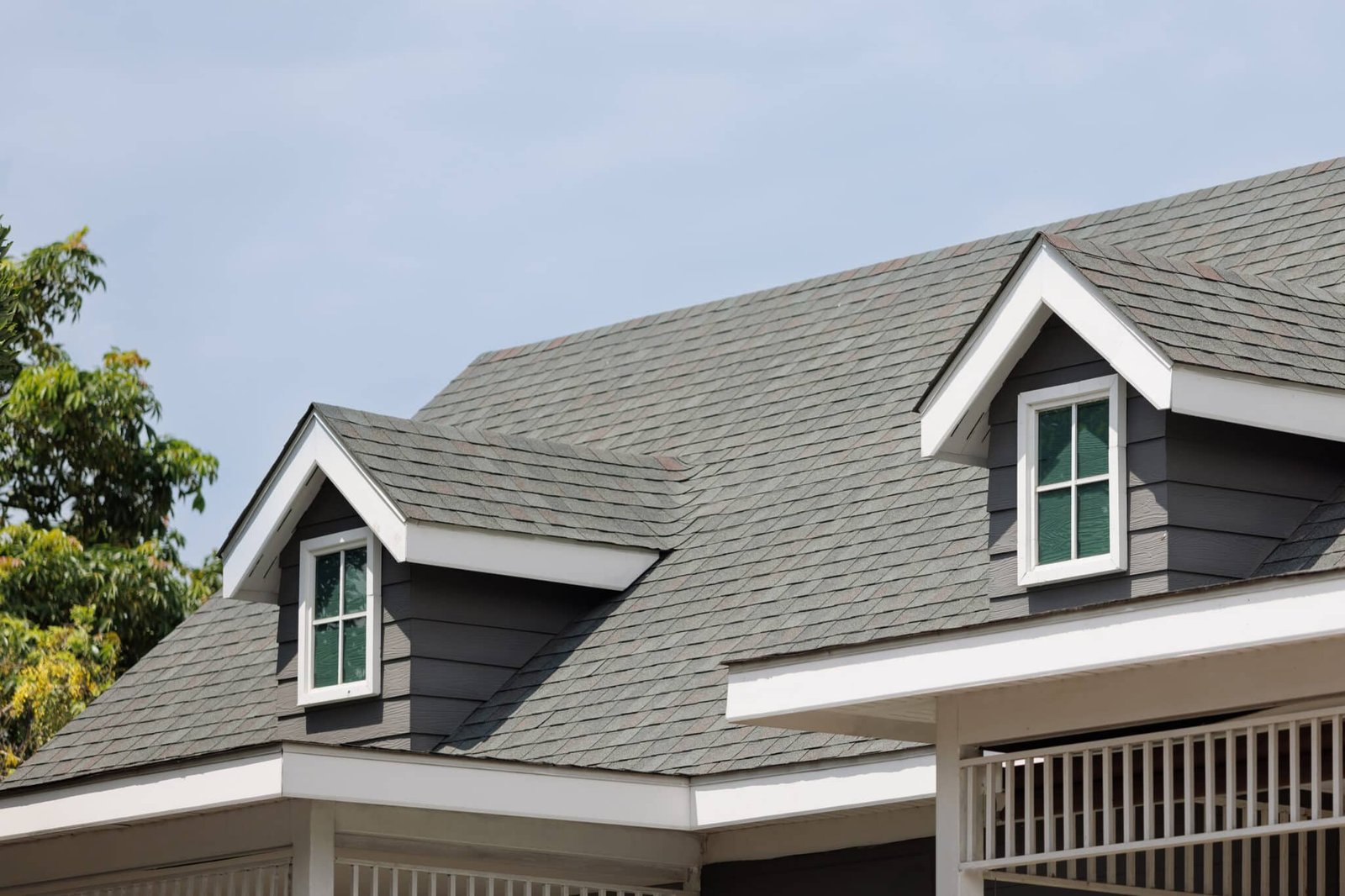
Asphalt shingles remain one of the most widely installed roofing materials because they combine affordability, attractive appearance, and dependable performance. Modern architectural shingles offer improved durability and stronger resistance to high winds while providing enhanced visual appeal compared to traditional three-tab shingles.
Metal roofing has become increasingly popular because of its exceptional lifespan, resistance to severe weather, and energy-saving capabilities. Reflective metal surfaces reduce heat absorption during warmer months, lowering cooling costs while requiring relatively little maintenance over several decades.Tile roofing offers classic beauty and remarkable durability. Clay and concrete tiles resist fire, insects, moisture, and harsh weather while providing excellent insulation. Although tile systems require stronger structural support because of their weight, they often last much longer than conventional roofing materials.
Natural slate remains one of the most durable premium roofing options available. Its elegant appearance, exceptional longevity, and outstanding resistance to weather make it an excellent investment for homeowners seeking maximum long-term performance. Although slate installation requires specialized expertise, its lifespan often exceeds many other roofing materials.Professional contractors evaluate each home’s structure, budget, maintenance expectations, and architectural design before recommending the most appropriate roofing material.
Improving Energy Efficiency Through Modern Roofing
Energy efficiency has become one of the primary considerations for homeowners planning roofing projects. Modern roofing technology allows homeowners to reduce heating and cooling costs while improving indoor comfort throughout every season.
Reflective roofing materials minimize solar heat absorption by directing a significant portion of sunlight away from the roof surface. This reduces attic temperatures during summer months, allowing air conditioning systems to operate more efficiently while lowering electricity consumption.
Proper attic ventilation plays an equally important role. Ventilation systems remove trapped heat and excess moisture that would otherwise accelerate roofing deterioration and reduce insulation performance. Combined with quality insulation, effective ventilation creates balanced indoor temperatures while extending the lifespan of roofing materials.
Energy-efficient roofing systems also contribute to environmental sustainability by reducing overall energy demand. Homeowners enjoy lower monthly utility bills while decreasing their environmental impact, making modern roofing upgrades beneficial for both financial savings and long-term environmental responsibility.
Preventative Maintenance Extends Roof Life
Routine maintenance is one of the most effective ways to maximize the lifespan of any roofing system. Even premium materials require periodic inspections and preventative care to maintain peak performance. Neglecting routine maintenance often allows small issues to develop into expensive structural repairs that could have been avoided.
Homeowners should regularly remove leaves, branches, and debris from the roof surface to prevent moisture accumulation. Gutters and downspouts should remain clean so rainwater flows efficiently away from the roof and foundation. Overhanging tree branches should also be trimmed to reduce storm damage and minimize debris buildup throughout the year.Professional maintenance inspections identify worn sealants, damaged flashing, loose fasteners, deteriorating shingles, ventilation concerns, and hidden moisture before these issues become major problems. Completing minor repairs during routine maintenance significantly reduces long-term ownership costs while preserving the roof’s structural integrity.
Choosing a Reliable Roofing Contractor
Selecting the right contractor is just as important as choosing quality roofing materials. An experienced roofing company provides valuable expertise, professional workmanship, and dependable customer service throughout every stage of the project.
Homeowners should choose contractors with proven experience, appropriate licensing, insurance coverage, and positive customer reviews. Reliable professionals conduct detailed roof inspections, provide written estimates, explain available material options, and communicate clearly throughout the project. They follow manufacturer installation guidelines, comply with local building regulations, and prioritize job-site safety while maintaining high standards of craftsmanship.
Experienced contractors also stand behind their work by offering workmanship warranties and honoring manufacturer product warranties. Their commitment to quality reduces the likelihood of future problems while giving homeowners confidence that their investment is protected for many years.
The Long-Term Value of Professional Roofing Services
Investing in professional roofing services provides benefits that extend far beyond immediate repairs or new installations. A properly constructed roof protects every structural component beneath it while improving curb appeal, increasing property value, reducing maintenance costs, and enhancing indoor comfort.
Modern roofing systems contribute to improved insulation, lower utility bills, stronger weather resistance, and greater long-term durability. Professional installation ensures every layer of the roofing system performs exactly as designed, reducing the risk of leaks, structural deterioration, and premature material failure. Whether addressing storm damage, replacing an aging roof, or constructing a new home, professional roofing services deliver dependable results that protect homeowners for decades.
Conclusion
A roof serves as far more than the upper covering of a house. It is a complete protective system that safeguards the home’s structure, preserves indoor comfort, improves energy efficiency, and enhances long-term property value. Every component, from the roof deck and underlayment to flashing, ventilation, gutters, and exterior materials, contributes to overall performance and durability. Routine inspections, preventative maintenance, timely repairs, and quality installation all play essential roles in extending the life of the roof while minimizing unexpected expenses. Investing in professional roofing solutions allows homeowners to protect one of their most valuable assets with confidence. By choosing experienced contractors, selecting high-quality materials, and maintaining the roof regularly, homeowners can enjoy dependable protection, greater energy efficiency, and lasting peace of mind for many years to come.





 Biography7 months ago
 News7 months ago
 Blog4 months ago
 Biography7 months ago