Lifestyle
Easy Ways to Practice Self Care
Published
2 weeks agoon
By
IQ Newswire
What does a typical day look like for you? For many people, the answer involves rushing from one task to another, checking emails between meetings, and collapsing into bed exhausted. Over time, this relentless pace can leave you feeling drained, overwhelmed, and disconnected from your own well-being. Self care is not a luxury reserved for spa days or vacations. Instead, it encompasses the everyday choices you make to support your physical, emotional, and mental health. The good news is that meaningful self care does not require elaborate plans or significant expense. Simple, consistent practices can profoundly improve how you feel and function in daily life.
Table of Contents
Toggle1. Create a Morning Routine That Centers You
Starting your day with intention sets the tone for everything that follows. A morning routine does not need to be complicated or time-consuming. Even fifteen to thirty minutes dedicated to yourself before the demands of the day take over can make a significant difference. Consider waking up slightly earlier to enjoy a quiet cup of tea or coffee without distractions. This small act of solitude allows your mind to settle and prepares you mentally for the hours ahead. You might also use this time for gentle stretching, journaling, or simply sitting in silence.
A consistent morning routine creates a sense of predictability and control that many people find calming. When you establish a pattern your body and mind recognize, you experience less stress as the day unfolds. For example, someone might spend their first twenty minutes reading, meditating, or listening to music that makes them feel peaceful. Others prefer to move their bodies through yoga or a brief walk. The specific activity matters far less than the commitment to begin your day with something that nourishes you rather than depletes you.
2. Move Your Body in Ways That Bring You Joy
Physical activity is widely recognized as essential for both body and mind, yet many people approach exercise as another obligation on their to-do list. Self care movement is different. It means finding forms of physical activity that you genuinely enjoy rather than activities you force yourself to endure. If running feels punishing, that is not your movement. If dancing in your living room makes you smile, that absolutely is. The goal is consistency and pleasure, not punishment or performance.
Movement might look different on different days depending on your energy and circumstances. On a stressful day, a gentle thirty-minute walk might be exactly what your nervous system needs. On a day when you feel energized, a more vigorous activity could provide the outlet you seek. You might swim, garden, play a sport, practice martial arts, or follow along with an online class from your home. The key is removing judgment about what counts as real exercise and instead honoring what your body is asking for. When you genuinely enjoy your movement practice, you are far more likely to sustain it over time.
3. Set Boundaries Around Your Time and Energy
Self care includes protecting your time and energy from activities and people that drain you unnecessarily. Many people struggle with this aspect because boundary setting can feel selfish or uncomfortable. In reality, boundaries are essential tools for maintaining your well-being and showing up authentically in your relationships. Setting a boundary might mean declining social invitations when you need rest, limiting work emails after a certain hour, or reducing time spent with people who consistently leave you feeling worse. These choices honor your needs and are not unkind to others.
Practical boundary setting looks different for everyone based on their specific circumstances and challenges. Someone might limit their news consumption to protect their mental health during stressful times. Another person might establish a rule that phones stay out of the bedroom to protect sleep quality. You might communicate to your family that you need thirty minutes of uninterrupted time in the evening, or you might stop answering work emails on weekends. These boundaries reflect a realistic assessment of your capacity and a commitment to your own well-being. When you protect your energy, you have more of yourself to give to what actually matters.
4. Prioritize Restorative Sleep as a Non-Negotiable Practice
Sleep is not indulgence or laziness. It is a fundamental biological requirement that directly impacts everything from your immune function to your emotional regulation to your decision-making ability. Many people treat sleep as something to squeeze in when all other tasks are complete, but this approach undermines your well-being. Self care includes making sleep a genuine priority and creating the conditions that support quality rest.
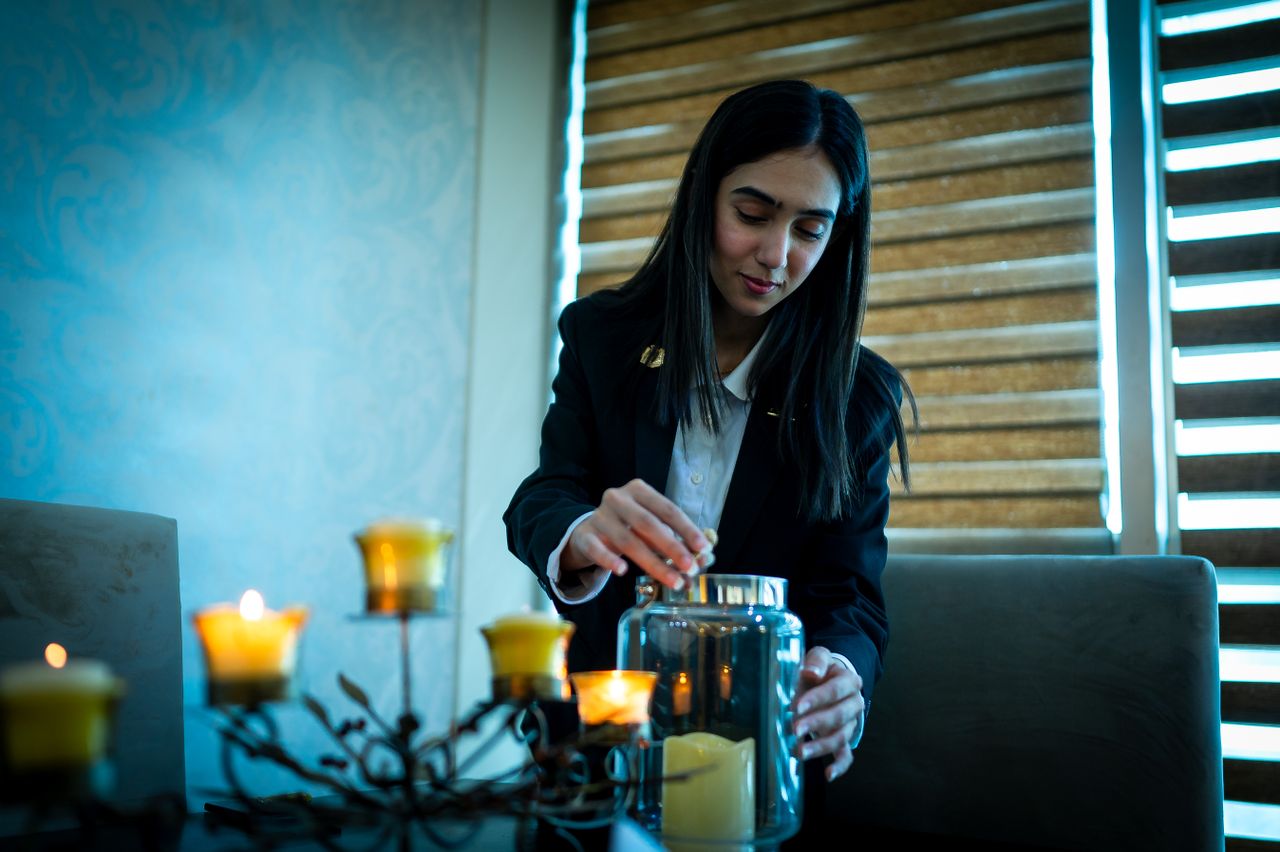
Cultivating good sleep habits requires both consistency and environmental adjustment. This might mean going to bed and waking up at similar times each day, even on weekends. It could involve dimming lights in the evening, keeping your bedroom cool and dark, and removing screens from your sleeping space. Some people find that a warm bath, reading, or gentle breathing exercises help them transition into sleep more easily. Those who enjoy a calming atmosphere while winding down often rely on premium scented candles to create a soothing sensory environment that signals to the mind and body that it is time to rest. If racing thoughts keep you awake, keeping a journal by your bed allows you to capture concerns and release them until morning.
5. Engage in Activities That Bring You Genuine Pleasure
Self care includes making time for things you love simply because you love them, not because they serve some other purpose or lead to productivity. This might be reading, cooking, gardening, painting, playing music, writing, or anything else that brings you joy and engagement. These activities are not frivolous additions to your schedule. They are essential nutrients for your spirit and contribute meaningfully to your overall well-being. When you regularly engage in pleasure, your mood improves, your stress decreases, and your resilience increases.
Consider which activities truly absorb your attention and leave you feeling refreshed rather than drained. For some people, this is creative work. For others, it is time in nature, connection with animals, or engaging in a favorite hobby. You do not need permission to spend time on what brings you happiness. Regularly scheduling time for joy is an act of powerful self care, and even twenty minutes of doing something you love can shift your entire day. When you make these activities non-negotiable parts of your schedule, you send yourself a clear message that your well-being matters.
Conclusion
Self care is not a single grand gesture but rather a collection of small, consistent choices that prioritize your well-being. Each of the practices described here offers a different pathway to supporting yourself across physical, mental, and emotional dimensions. You do not need to implement all of these approaches simultaneously. Consider starting with one or two areas that resonate most deeply with your current situation, and as those practices become habits, you can gradually add others. The most important aspect of self care is consistency and a genuine commitment to honoring your own needs. When you build these practices into your regular life, you create a foundation of well-being that supports everything else you do.
When Does a Tree Need Professional Attention?
Havrenn & Co. Brings the Rich Texture of Suede Back Into Focus
What the Diagnostic Process for Recurrent Pregnancy Loss Involves and Why It Matters to Work with a Specialist
IFRS vs Ind AS 20: Key Differences Every Indian Accountant Should Know
Why Semi-Detached Homes Are Performing Differently Across the Bexley Property Market
Easy Ways to Practice Self Care
6 Ways to Keep Your Car Running When Moneys Tight
Madeira in Autumn: A Slower, Warmer Way to Experience the Island
What You Actually Hand Over When You Book a Trip Online
Exploring the Online Beauty Marketplace
What You Actually Hand Over When You Book a Trip Online
5 AI Pixel Art Software Tools Compared For Photoshop Integration (2026)
Exploring the Online Beauty Marketplace
Madeira in Autumn: A Slower, Warmer Way to Experience the Island
Easy Ways to Practice Self Care
Why Semi-Detached Homes Are Performing Differently Across the Bexley Property Market
6 Ways to Keep Your Car Running When Moneys Tight
IFRS vs Ind AS 20: Key Differences Every Indian Accountant Should Know
What the Diagnostic Process for Recurrent Pregnancy Loss Involves and Why It Matters to Work with a Specialist
Havrenn & Co. Brings the Rich Texture of Suede Back Into Focus
When Does a Tree Need Professional Attention?
Havrenn & Co. Brings the Rich Texture of Suede Back Into Focus
What the Diagnostic Process for Recurrent Pregnancy Loss Involves and Why It Matters to Work with a Specialist
IFRS vs Ind AS 20: Key Differences Every Indian Accountant Should Know
Why Semi-Detached Homes Are Performing Differently Across the Bexley Property Market
Easy Ways to Practice Self Care
6 Ways to Keep Your Car Running When Moneys Tight
Madeira in Autumn: A Slower, Warmer Way to Experience the Island
What You Actually Hand Over When You Book a Trip Online
Exploring the Online Beauty Marketplace
Trending
-
Biography7 months agoThe Emotional Journey of Joanne Schieble Simpson, Steve Jobs’ Biological Mother
-

News6 months agoJamal Adeen Thomas – Everything You Should Know About Clarence Thomas’ Son
-

Blog4 months agoWhat Is Sotwe? Everything You Need to Know Before Using It
-

Biography7 months agoMeet Theo Ressler: Everything You Know About Jami Gertz’s son