
Business
Your AC Isn’t Keeping Up—Here’s What to Do Next

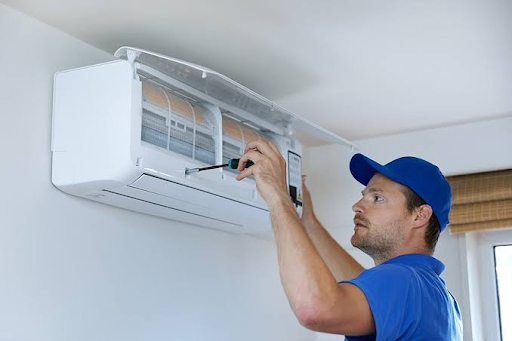
Summer heat doesn’t negotiate. When your air conditioner starts struggling—cycling on and off, blowing warm air, or running your electricity bill through the roof—it’s sending a clear message. The question is whether you’re ready to listen.
Most homeowners put off AC replacement until the unit completely breaks down, often in the middle of a heat wave. That approach costs more, stresses more, and leaves your home at the mercy of brutal temperatures. Knowing when to act—and who to trust—makes all the difference.
How Do You Know Your AC Has Reached Its Limit?
Air conditioners don’t last forever. The average unit has a lifespan of 10 to 15 years, and once it crosses that threshold, problems tend to multiply fast.
Here are the signs that your system is past its prime:
- Frequent breakdowns: If you’re calling for repairs every season, the cumulative cost often exceeds the price of a new unit.
- Rising energy bills: Older systems lose efficiency over time. An aging AC can consume significantly more electricity than a modern, high-efficiency model doing the same job.
- Uneven cooling: Some rooms feel like a freezer while others stay stuffy and warm—a classic sign the system can no longer distribute air properly.
- Unusual noises or odors: Banging, rattling, or musty smells point to internal mechanical issues or mold growth that replacement—not repair—will solve.
- R-22 refrigerant use: Systems that run on R-22 (Freon) are outdated. This refrigerant was phased out due to environmental concerns and is now expensive and difficult to source.
If two or more of these apply to your unit, replacement is almost certainly the smarter financial decision.
What Makes a Modern AC System Worth the Investment?
Upgrading your air conditioner isn’t just about staying cool—it’s about gaining real, measurable advantages that older systems simply can’t offer.
Dramatically Lower Energy Costs
New air conditioning units are built to meet higher efficiency standards. Systems rated 16 SEER or above use considerably less energy than older models rated at 10 SEER or lower. That efficiency gap translates directly into monthly savings on your utility bill—savings that add up quickly over the life of the unit.
Consistent, Whole-Home Comfort
Modern systems are engineered to maintain steady temperatures throughout every room. Variable-speed compressors adjust output based on demand, eliminating the hot and cold spots that make older systems frustrating to live with.
Quieter Operation
Older units can be disruptively loud. Today’s air conditioners operate at significantly lower decibel levels, meaning you’ll barely notice the system running—even when it’s working hard.
Smarter Technology
Many new AC systems are compatible with smart thermostats, allowing you to control your home’s temperature remotely, set schedules, and monitor energy usage from your phone. Some systems even learn your habits and adjust automatically.
Better Indoor Air Quality
Newer units come equipped with improved filtration and humidity control, which reduces allergens, dust, and excess moisture—a meaningful benefit for households with allergy sufferers or respiratory conditions.
What Happens During an AC Replacement?
Understanding the process takes the guesswork out of the experience. A professional replacement typically involves:
- Assessment and sizing: A technician evaluates your home’s square footage, insulation, and ductwork to determine the correct unit size. An oversized or undersized AC creates efficiency problems from day one.
- Safe removal of the old unit: The existing system is shut down and removed responsibly, including proper handling of any refrigerant.
- Installation of the new system: The new unit is installed, connected to existing ductwork (or new ductwork if needed), and tested for proper operation.
- System calibration: The technician runs the system through a full cycle, checking airflow, refrigerant levels, and thermostat accuracy before signing off.
A professional installation done right the first time protects your investment and ensures the manufacturer’s warranty remains valid.
Why Timing Your Replacement Matters
Most homeowners replace their AC when it fails completely—during peak summer demand. That creates two problems: longer wait times for service, and fewer choices when selecting a new unit.
Scheduling a replacement in spring or early fall gives you more flexibility. You’ll have time to explore options, avoid emergency pricing, and ensure installation is completed before the next heat season begins.
Bennett Air Makes Air Conditioning Replacement Simple and Stress-Free
When the time comes to upgrade your cooling system, you want a team that treats your home with care and your time with respect. Air Conditioning Replacement done by a skilled, experienced team means walking away with a high-performance system installed correctly—giving your home reliable, efficient cooling for years to come, without the headaches of repeated repairs or sky-high energy bills.
That’s exactly what Bennett Air delivers. From the initial assessment to final system testing, Bennett Air’s technicians bring precision, professionalism, and genuine commitment to every job. No shortcuts. No overselling. Just quality work that stands behind itself.
Bennett Air serves homeowners who expect more from their HVAC provider—and delivers on that expectation every time.
Take the Next Step Before the Heat Gets Worse
Holding onto a failing air conditioner costs more than most homeowners realize—in wasted energy, repeated repair bills, and the very real discomfort of unreliable cooling. Replacement isn’t a setback; it’s an upgrade that pays for itself.
Contact Bennett Air today to schedule your air conditioning replacement assessment and find out exactly what your home needs to stay cool, efficient, and comfortable all season long.

Shower Door Installation: The Results Speak for Themselves

Your AC Isn’t Keeping Up—Here’s What to Do Next

How Waterfront Living Influences Property Demand in Kirkcaldy

Britain Without AC: How Climate and Old Buildings Shaped the Problem

How to Battery-Proof a Cashless Day Out

Permanent Christmas Lighting: The Upgrade Your Home Deserves

CFA Course Duration vs Career Advancement: Long-Term Perspective

When Your AC Breaks Down, Every Hour Counts

Why Power Washing Is the Best Thing You Can Do for Your Property This Season

When Your Furnace Fails, Fast Help Makes All the Difference

Best Video Doorbell Without Subscription Storage Guide

How to Build and Scale an SEO Agency Without Spending Thousands on Tools

How Dissertation Writer AI Assists Students From Topic Selection to Completed Dissertation

Men’s Western Shirts Ideas: 3 Styling Formulas for a Cool Summer

Desktop Essentials: Why Custom Printed Notepads Never Go Out of Style

MacBook Air Computer Charger: Features, Performance, and Computer Charger MacBook Compatibility Guide

How to Get the Best Price for Your Used Car Without Guessing Its Value

When Connectivity Counts, Telecommunications Contractors Deliver

The Ultimate Dog Walker’s Safety Net: Why Public Liability Matters for Your Business

Why Students Prefer Expert TEAS Exam Assistance Over Solo Prep
Shower Door Installation: The Results Speak for Themselves
Your AC Isn’t Keeping Up—Here’s What to Do Next
How Waterfront Living Influences Property Demand in Kirkcaldy
Britain Without AC: How Climate and Old Buildings Shaped the Problem
How to Battery-Proof a Cashless Day Out
Permanent Christmas Lighting: The Upgrade Your Home Deserves
CFA Course Duration vs Career Advancement: Long-Term Perspective
When Your AC Breaks Down, Every Hour Counts
Why Power Washing Is the Best Thing You Can Do for Your Property This Season
When Your Furnace Fails, Fast Help Makes All the Difference
-

 Biography5 months ago
The Emotional Journey of Joanne Schieble Simpson, Steve Jobs’ Biological Mother
-

 News4 months ago
Jamal Adeen Thomas – Everything You Should Know About Clarence Thomas’ Son
-

 Biography5 months ago
Meet Theo Ressler: Everything You Know About Jami Gertz’s son
-

 Blog1 month ago
What Is Sotwe? Everything You Need to Know Before Using It