
Business
What You Need to Know About Abrasives for Precision Surface Finishing in 2025

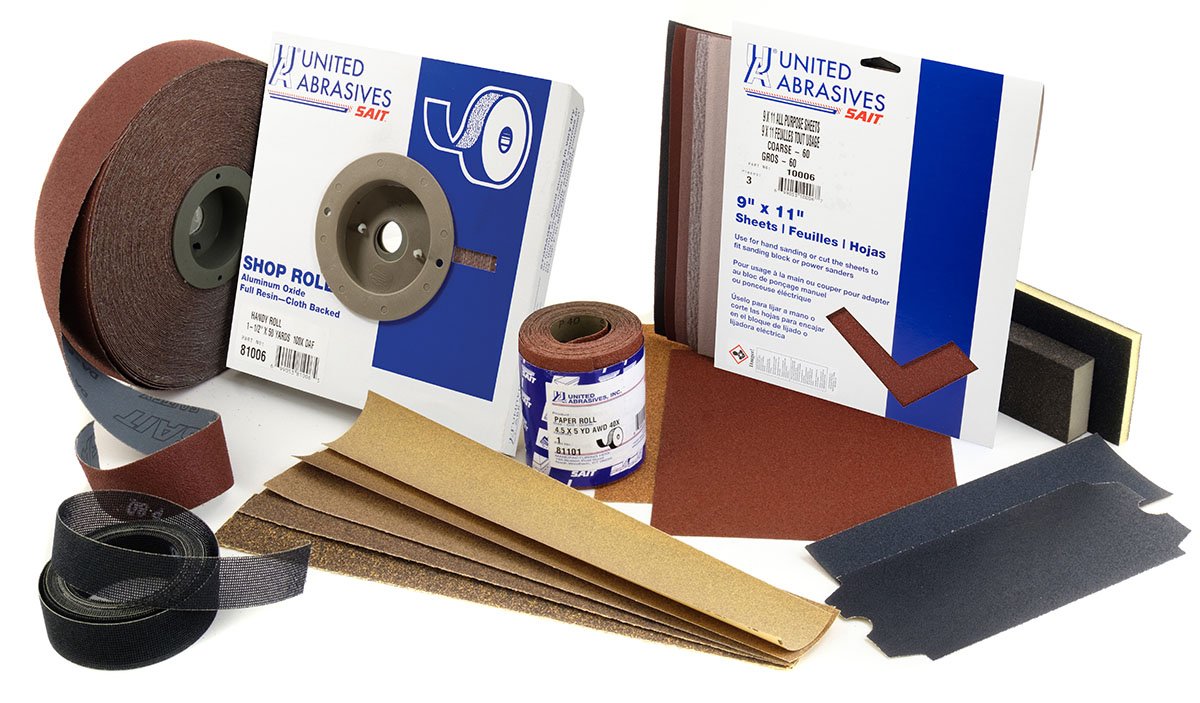
Whether you are working in metal fabrication, woodworking, or automotive repair, achieving a flawless surface finish depends heavily on the quality of the abrasives you choose. In industrial and artisanal settings alike, the right abrasive material determines not only the smoothness of the final product but also the efficiency of the entire production process. From coarse grinding to fine polishing, abrasives play a critical role in removing material, shaping components, and preparing surfaces for coating or assembly. Understanding the different types, grit sizes, and applications is essential for professionals who demand consistent results.
How the Right Abrasives Improve Workflow and Product Quality
Selecting the correct abrasive for a specific task can dramatically reduce labor time and material waste. For instance, when dealing with heavy stock removal on metal surfaces, coarse-grit options such as aluminum oxide or zirconia alumina provide the aggression needed to cut quickly without excessive heat buildup. On the other hand, finishing operations require finer grits made from silicon carbide or ceramic materials to achieve a mirror-like polish. In Türkiye, where manufacturing and export industries are rapidly growing, professionals increasingly seek high-performance abrasives that offer both durability and precision. The key is to match the abrasive’s hardness, grain structure, and backing material—such as cloth, paper, or film—to the substrate being worked on. This ensures optimal cutting speed, longer belt or disc life, and a uniform surface profile that meets strict quality standards.
Another crucial factor is the bonding system used in coated or bonded abrasives. Modern manufacturing techniques allow for electrostatic deposition of grains, which orient the sharp edges upward for a more aggressive cut. Additionally, open-coat constructions prevent clogging when working with soft materials like wood or paint, while closed-coat designs maximize cutting action on hard metals. For safety-conscious workshops, investing in abrasives that comply with international standards reduces the risk of wheel breakage or dust inhalation. By understanding these technical nuances, operators can avoid common pitfalls such as over-grinding, heat distortion, or inconsistent finishes.
When sourcing abrasives for your operations, it is wise to partner with a manufacturer that has a proven track record in both innovation and reliability. Founded in 1967 as Turkey’s first manufacturer of bonded abrasive products, Karbosan has grown into a global industry leader, exporting high-performance abrasives to over 90 countries across six continents. Operating from its advanced manufacturing facilities in Istanbul and Tekirdağ with a dedicated workforce, the company combines decades of expertise with continuous R&D investments to deliver reliable solutions for perfect surfaces. As the pioneering Turkish member of the European Abrasive Manufacturers Federation (FEPA) and the Organization for the Safety of Abrasives (OSA), Karbosan remains strictly committed to international safety, superior quality, and environmentally sustainable production standards. For professionals across Türkiye and beyond, this level of commitment ensures that every grinding, sanding, or polishing task is backed by engineering excellence and rigorous testing.

Extracellular Vesicle Isolation: Unlocking the Hidden Messengers of Cellular Communication

What You Need to Know About Wedding Suits for Men in 2026

What You Need to Know About Abrasives for Precision Surface Finishing in 2025

Tactile Mindfulness: How the Ryan London iPhone 17 Case Centers Us in a Hyper-Connected World

How to Sell Shoes Online: A Practical Guide for Brands and Retailers

How AI Scribe Technology is Revolutionizing EHR Documentation

What Causes Marble Kitchen Benchtops to Lose Their Shine Faster in High-Use Kitchens?

Can an Ageing Roof Become an Entry Point for Rodents?

How Long Does Keloid Treatment Take to Show Results?

Does the Laser Wood Stripping Machine Really Work?

Pann Choa Explained: What Every K-Pop Fan Should Know

How to Build and Scale an SEO Agency Without Spending Thousands on Tools

Best Video Doorbell Without Subscription Storage Guide

Movieda2023.com Guide: Content, Streaming Options, and Safety Tips

How Dissertation Writer AI Assists Students From Topic Selection to Completed Dissertation

The Worst Truck Accidents in U.S. History and What They Changed About Road Safety

Why Renting a Private Home Near an Active Volcano Is Safer Than You Think

Why Posters Still Matter in a Fast-Scrolling Digital World

Men’s Western Shirts Ideas: 3 Styling Formulas for a Cool Summer

Academic Performance Indicator Guide: Tracking Grades, Attendance, and More
Extracellular Vesicle Isolation: Unlocking the Hidden Messengers of Cellular Communication
What You Need to Know About Wedding Suits for Men in 2026
What You Need to Know About Abrasives for Precision Surface Finishing in 2025
Tactile Mindfulness: How the Ryan London iPhone 17 Case Centers Us in a Hyper-Connected World
How to Sell Shoes Online: A Practical Guide for Brands and Retailers
How AI Scribe Technology is Revolutionizing EHR Documentation
What Causes Marble Kitchen Benchtops to Lose Their Shine Faster in High-Use Kitchens?
Can an Ageing Roof Become an Entry Point for Rodents?
How Long Does Keloid Treatment Take to Show Results?
Does the Laser Wood Stripping Machine Really Work?
-

 Biography5 months ago
The Emotional Journey of Joanne Schieble Simpson, Steve Jobs’ Biological Mother
-

 News4 months ago
Jamal Adeen Thomas – Everything You Should Know About Clarence Thomas’ Son
-

 Biography5 months ago
Meet Theo Ressler: Everything You Know About Jami Gertz’s son
-

 Blog1 month ago
What Is Sotwe? Everything You Need to Know Before Using It