Have you ever seen Kouskousi on a plate and thought it was rice? You are not alone. Many people see it for the first time and feel confused. It looks like tiny grains, but the truth is very different and quite interesting.
Kouskousi is not rice at all. It is actually a type of pasta made from wheat. Yes, pasta! This small food has been around for hundreds of years and is still loved today. It may look simple, but it has a deep story behind it.
This amazing food comes from North Africa, where families have been cooking and sharing it for generations. It is not just about eating. It is about sitting together, talking, and enjoying time with loved ones. That is what makes Kouskousi very special.
In this article, we will talk about everything you need to know about Kouskousi. We will explain what it is, where it comes from, why people love it, and how you can use it in your own kitchen. By the end, you will understand it clearly and maybe even want to try it.
What Is Kouskousi?
Kouskousi is a small type of pasta made from semolina. Semolina comes from durum wheat, which is a kind of wheat used to make pasta. Even though it looks like grains, it is not a grain food.
The way Kouskousi is made is very simple. Semolina is mixed with water and then rolled into tiny round pieces. These small pieces are dried and later cooked. This is how those little soft grains are formed.
Many people think Kouskousi is like rice or quinoa. But that is not true. Rice is a grain, and quinoa is a seed. Kouskousi is pasta. This small difference changes how it cooks and how it tastes.
When you cook Kouskousi, it becomes soft, light, and fluffy. It does not have a strong taste on its own. This is actually a good thing because it can take the flavor of whatever you add to it.
Why People Love Kouskousi
There are many reasons why people love Kouskousi. One big reason is how easy it is to cook. You do not need many steps, and it can be ready in just a few minutes in modern kitchens.
Another reason is its texture. Kouskousi is soft and fluffy. It feels light when you eat it, not heavy. This makes it perfect for both lunch and dinner. You can enjoy it without feeling too full.
People also love Kouskousi because it works with many foods. You can eat it with meat, vegetables, or even sweet things. It changes its taste based on what you mix with it.
Think of Kouskousi like a blank plate. You can make it simple or fancy. You can make it quick or special. That is why it fits into so many different meals around the world.
Where Kouskousi Comes From
Kouskousi comes from North Africa. It has been part of daily life there for a very long time. People in this region have been making it for hundreds of years.
It is believed that Berber communities were the first to make Kouskousi. They used simple things like wheat and water. Even with simple ingredients, they created something very useful and filling.
In the past, making Kouskousi was not fast. Families would sit together and roll the semolina by hand. It took time and patience, but it was also a moment to connect and share stories.
As time passed, Kouskousi spread to other places. Traders and travelers took it to new lands. Today, people all over the world enjoy it, but it still keeps its roots in North African culture.
Kouskousi and Couscous
Many people ask if Kouskousi and couscous are the same. The simple answer is yes. In most cases, they are the same food.
The word “couscous” is more common around the world. It is the name you see in shops and recipes. The word “Kouskousi” is often used in traditional or local settings.
The difference is mostly about language. Some people use one word, and others use another. But they both talk about the same small semolina pasta.
Sometimes, there can be small differences in size or style. But the base is always the same. So if you see couscous or Kouskousi, you are looking at the same kind of food.
Why Kouskousi Is Special
Kouskousi is not just food. It has a deeper meaning in many cultures. It is a symbol of sharing, care, and togetherness.
In many homes, Kouskousi is served during special times. This includes weddings, family gatherings, and religious days. It is made in large amounts so everyone can eat together.
In places like Morocco, families often eat Kouskousi on Fridays. After prayers, they sit together and share a big plate. This creates a strong feeling of connection.
When people serve Kouskousi to guests, it shows respect and kindness. It is a way of saying, “You are welcome here.” That is why this simple food holds such a big place in people’s hearts.
Types of Kouskousi
Kouskousi comes in different types, and each type has its own use. Knowing these types can help you choose the best one for your meal.
The most common type is Moroccan Kouskousi. It is very small and cooks quickly. It becomes soft and fluffy, which makes it perfect for traditional dishes.
Another type is Israeli or pearl Kouskousi. This one is bigger and round. It has a slightly chewy feel and is great for salads and modern meals.
There is also Lebanese Kouskousi, which is even larger. It is often used in slow-cooked dishes. Greek-style versions are also used in soups to add texture and thickness.
Taste and Texture of Kouskousi
One of the best things about Kouskousi is its taste. It is very mild and gentle. It does not have a strong flavor on its own.
This soft taste makes it very useful. It easily takes the flavor of whatever you add. If you add spices, it becomes rich. If you keep it simple, it stays light and fresh.
When cooked well, Kouskousi is soft and fluffy. Each small piece stays separate. It does not stick together if you cook it properly.
Some types, like pearl Kouskousi, have a little chew. This gives a nice mix of soft and firm texture. This balance makes it enjoyable in many kinds of dishes.
Is Kouskousi Healthy?
Kouskousi can be a healthy food when you eat it the right way. It gives your body energy because it is rich in carbohydrates.
It also has some protein, which helps your body stay strong. If you choose whole wheat Kouskousi, you get more fiber. Fiber helps your digestion and keeps your stomach happy.
Kouskousi also has useful nutrients like iron, magnesium, and B vitamins. These help your body work well every day. Even though the amounts are not very high, they still help.
However, Kouskousi contains gluten because it is made from wheat. This means people with gluten problems should not eat it. For others, it can be a good part of a balanced meal.
How to Cook Kouskousi
Now let’s talk about how to cook Kouskousi in a simple way. There are two main ways to cook it. One is the old traditional way, and the other is the quick modern way that most people use today.
In the traditional way, Kouskousi is steamed, not boiled. It is placed above a pot of stew and cooked slowly. The steam rises and cooks the grains gently. This method takes time, but it gives a very soft and fluffy result.
People who use the traditional way often steam it more than once. They also fluff it between each step. This helps keep the grains light and separate. It also lets the Kouskousi take in the flavor from the stew below.
The modern way is much faster and easier. Most Kouskousi you buy today is already pre-steamed. You just need to add hot water or broth, cover it, and wait about five minutes. After that, fluff it with a fork and it is ready to eat.
Best Ways to Eat Kouskousi
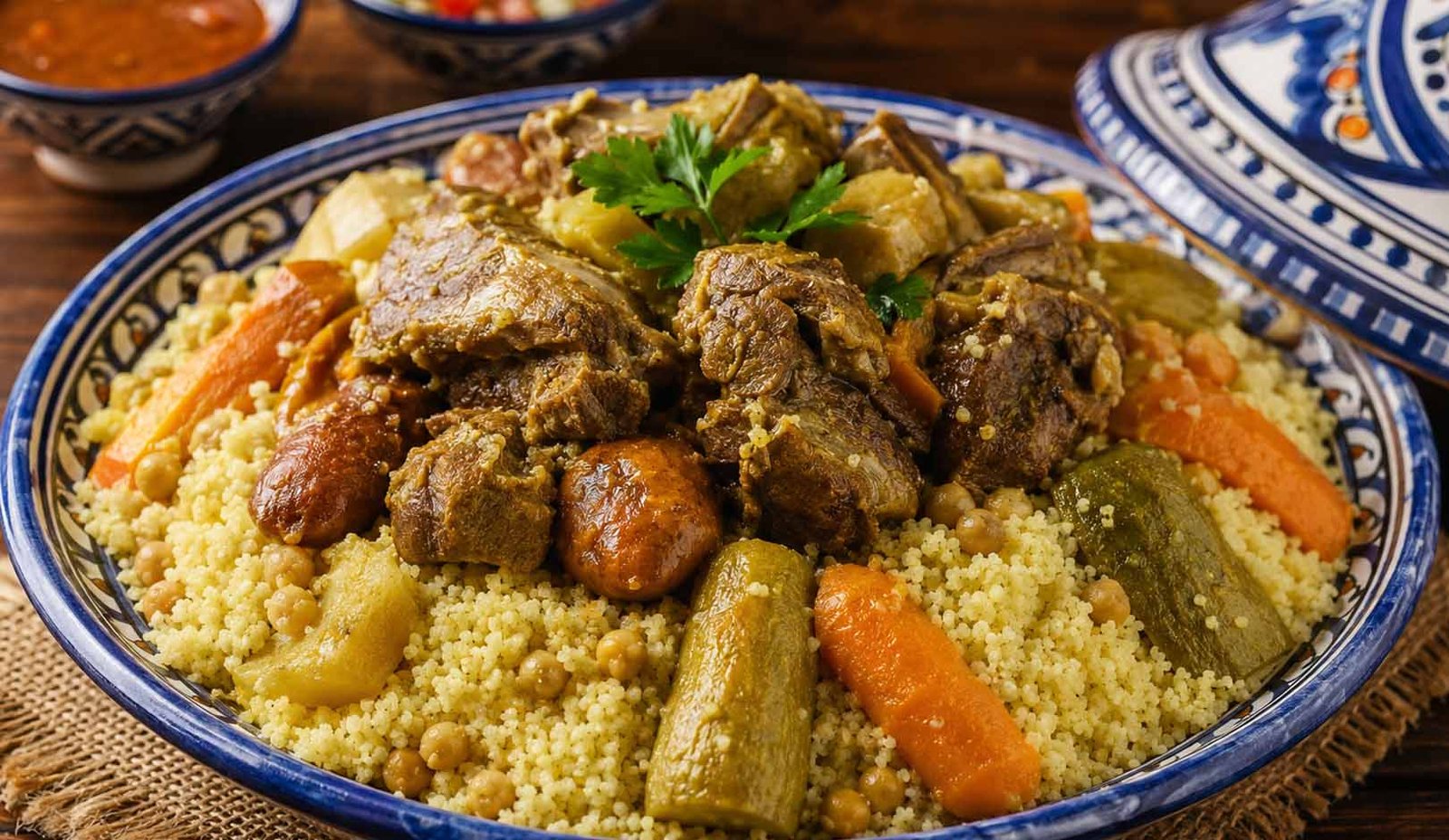
Kouskousi is very flexible, and you can eat it in many ways. One of the most common ways is with meat. People often serve it with chicken, lamb, or beef along with a rich sauce.
When Kouskousi is placed under meat and sauce, it absorbs all the flavor. This makes every bite tasty and full of flavor. It becomes soft and rich without being too heavy.
You can also eat Kouskousi with vegetables. Many people mix it with carrots, zucchini, onions, and chickpeas. This makes a simple and healthy meal that still feels full and satisfying.
Another popular way is to make a fresh Kouskousi salad. After cooking, let it cool and mix it with tomatoes, cucumber, lemon juice, and herbs. It becomes a light and refreshing dish, perfect for warm days.
Popular Kouskousi Dishes
There are many famous dishes made with Kouskousi. One well-known dish is Moroccan Kouskousi with lamb and vegetables. It includes soft grains, tender meat, and a rich broth with spices.
Another tasty dish is chicken Kouskousi with raisins. This dish mixes sweet and savory flavors. The chicken gives richness, while the raisins add a soft sweetness that feels very pleasant.
Vegetarian Kouskousi is also very popular. It uses vegetables like carrots, chickpeas, and herbs. This dish is light, healthy, and full of natural taste without needing meat.
There are also sweet dishes made with Kouskousi. Some people add honey, cinnamon, dates, and nuts. This creates a soft and sweet meal that can be eaten as dessert or even breakfast.
Common Kouskousi Mistakes
Even though Kouskousi is easy to cook, small mistakes can change the result. One common mistake is adding too much water. This makes the grains wet and sticky instead of light and fluffy.
Another mistake is not fluffing the Kouskousi after cooking. If you leave it packed, it becomes dense and clumpy. Using a fork to gently separate the grains makes a big difference.
Overcooking is also a problem, especially with quick Kouskousi. It only needs a few minutes. If you leave it too long, it becomes too soft and loses its nice texture.
Some people also forget to add flavor. Kouskousi has a mild taste, so it needs salt, oil, herbs, or spices. Without these, it can taste plain and boring.
Simple Tips to Make Kouskousi Better
If you want your Kouskousi to taste even better, a few simple tips can help a lot. First, use broth instead of water. This adds flavor right from the start and makes the dish more tasty.
You can also add a little olive oil or butter after cooking. This makes the texture smoother and gives a soft rich feel. It also helps keep the grains from sticking together.
Fresh herbs like parsley or mint can make a big difference. They add a fresh and light taste that makes the dish feel more special and bright.
Spices are also very helpful. You can try cumin, cinnamon, or a little paprika. Even a small amount can change the whole taste and make your Kouskousi feel new and exciting.
Why Kouskousi Is Popular Today
In 2026, Kouskousi is still loved by many people around the world. One big reason is how fast and easy it is to cook. Many people want quick meals, and Kouskousi fits perfectly.
It is also affordable and easy to store. You can keep it in your kitchen for a long time. Whenever you need a quick meal, you can use it without any trouble.
Kouskousi also fits into healthy eating. You can mix it with vegetables, beans, and lean meat to make a balanced meal. It works well for people who plan meals for the week.
Another reason is its flexibility. It can be used in many styles of cooking. From North African dishes to simple home meals, Kouskousi fits everywhere without any problem.
Final Thoughts
Kouskousi may look simple, but it is full of history, culture, and flavor. It is a small pasta made from semolina that has been loved for many years and is still popular today.
It is easy to cook, healthy, and very flexible. You can enjoy it in many ways, from rich meals to light salads and even sweet dishes. It fits into both traditional and modern cooking.
What makes Kouskousi special is how it brings people together. It is not just food. It is a way to share time, stories, and moments with others.
If you have not tried Kouskousi yet, this might be the perfect time. It is simple, tasty, and worth adding to your kitchen.
(FAQs)
What is Kouskousi made from?
Kouskousi is made from semolina, which comes from durum wheat. The semolina is mixed with water and rolled into tiny grains. These grains are then dried or steamed before cooking.
Is Kouskousi the same as couscous?
Yes, in most cases, Kouskousi and couscous are the same food. The difference is mainly the name. Couscous is the common global name, while Kouskousi is often used in traditional settings.
How long does it take to cook Kouskousi?
Modern Kouskousi cooks very fast. It usually takes about five minutes with hot water or broth. Traditional cooking takes longer because it uses steaming, but it gives a better texture.
Is Kouskousi healthy to eat?
Kouskousi can be healthy when eaten with a balanced meal. It gives energy, some protein, and useful nutrients. Adding vegetables and lean meat makes it even better for your body.
Does Kouskousi contain gluten?
Yes, Kouskousi contains gluten because it is made from wheat. People with gluten problems should avoid it, but others can enjoy it as part of a normal diet.
Can you eat Kouskousi cold?
Yes, you can eat Kouskousi both hot and cold. It works well in warm meals with stew and also in cold salads with fresh vegetables and lemon.
Why does Kouskousi become sticky?
Kouskousi becomes sticky if you use too much water or do not fluff it. Always use the right amount of liquid and gently separate the grains with a fork after cooking.
Don’t miss these:
Vitilinox Explained: Benefits, Ingredients, Uses, and What to Expect
Cellulogia Explained: Your Simple Road to Smoother Skin





 Biography6 months ago
 News6 months ago
 Blog3 months ago
 Biography6 months ago