A low phone battery used to be inconvenient. Today, it can bring an entire day to a halt.
Your phone may hold your train ticket, bank cards, event entry pass, hotel booking, maps and messages from the people you are meeting. When so many everyday tasks depend on one device, keeping it powered is no longer just about staying entertained. It is part of being prepared.
This is especially relevant during a full day away from home. You might leave early for a train, use maps to reach an unfamiliar area, pay for lunch with your phone and scan a digital ticket in the evening. Even when each activity only uses a little energy, the combined demand can leave your battery uncomfortably low before the day is over.
A Slim Power Bank can provide a practical backup without adding the bulk of a larger portable charger to your everyday bag. The key is to treat it as part of your day-out planning rather than waiting until your phone is nearly empty.
Why a Cashless Day Uses More Battery Than Expected
A day out can involve far more phone activity than an ordinary day at home.
Before leaving, you may check train times and save your tickets. During the journey, you might listen to music, browse social media or message friends. Once you arrive, your phone may remain active for navigation, photography, payments and booking confirmations.
Typical battery demands include:
- Displaying digital rail or event tickets
- Following walking directions
- Checking live travel updates
- Making contactless payments
- Taking photos and recording videos
- Searching for nearby cafés or attractions
- Sharing your location with friends
- Using mobile data in areas with weak reception
- Ordering transport for the journey home
The issue is rarely one particularly demanding task. Battery use builds gradually across the day.
By the time you need to show an evening ticket or find the final train home, the phone may be at its lowest level. That makes portable power most valuable at the exact point when access to a wall socket is least predictable.
Identify the Moments When Your Phone Is Essential
Not every part of the day carries the same risk.
If your phone switches off while you are sitting in a café, the problem may be manageable. If it switches off while your ticket is being checked or while you are trying to navigate back to a station, the consequences are more frustrating.
Before leaving home, identify the tasks that absolutely require your phone. These might include:
- Entering a venue
- Paying for transport
- Accessing a hotel reservation
- Contacting the person you are meeting
- Navigating an unfamiliar route
- Confirming a return journey
This helps you decide when to recharge.
Rather than using your remaining power freely until the low-battery warning appears, aim to top up before an important part of the day. For example, charging during lunch may give you enough flexibility for an afternoon of maps, photos and payments.
Do Not Wait Until the Battery Reaches 5%
Portable charging is often treated as a last resort. People continue using their phone until the battery reaches a critical level, then start looking for a cable or power bank.
A better habit is to recharge during a natural pause.
Good opportunities include:
- While travelling by train
- During a coffee break
- While eating lunch
- Before entering an event
- While waiting for friends
- During a longer bus journey
Charging earlier reduces pressure later. It means you are less likely to arrive at an important moment with only a few percentage points remaining.
You also do not need to complete a full recharge every time. A timely top-up can be enough to keep essential features available for the rest of the day.
Why a Slim Design Works Well for Day Trips
The usefulness of a power bank depends on whether you are willing to carry it.
A larger model may offer plenty of capacity, but it can feel excessive when you only have a small shoulder bag, compact backpack or coat pocket. If portable charging requires a separate bag or takes up space needed for other essentials, it is more likely to be left at home.
A slim format is easier to include in a simple day-out setup. It can sit alongside a phone, wallet, keys and earbuds without dominating the available space.
The UGREEN MagFlow Air Magnetic Power Bank combines a slim design with a 10,000mAh capacity. This gives users a practical amount of backup power in a form intended to fit more naturally into everyday routines.
The benefit is not simply having a thinner device. It is reducing the effort required to bring backup power with you.
Use Magnetic Charging During Busy Moments
Handling a loose cable is not always convenient when you are standing on a platform, walking between locations or trying to use your phone at the same time.
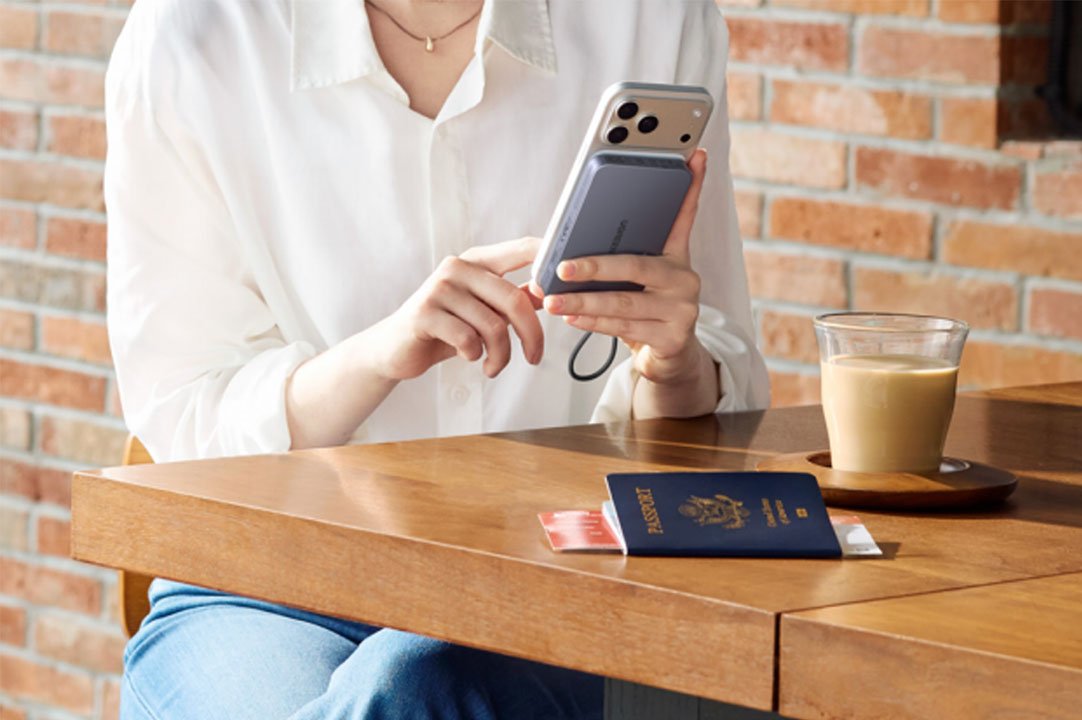
Magnetic charging can simplify these moments. A compatible phone can attach directly to the power bank, keeping the two devices together rather than connected by a hanging cable.
The UGREEN UK model supports Qi2 15W magnetic charging. This can be useful when you need to continue checking travel information, reading messages or following directions while adding power.
You may still want to keep one cable in your bag for other charging needs. However, having a magnetic option can make quick phone top-ups easier when you are moving through a busy day.
Pack a Minimal Battery-Safety Kit
Preparing for a full day does not require carrying a bag full of technology.
A simple battery-safety kit may include:
- One slim power bank
- One suitable charging cable
- Your main wall charger when staying overnight
- A small pouch or dedicated bag compartment
Keeping these items together makes them easier to find and reduces the chance of forgetting one part of the setup.
The power bank should not be stored loose among coins, keys or other hard objects. A separate pocket can help keep your accessories organised and prevent unnecessary surface damage.
Accessibility also matters. If the power bank is buried underneath clothing, shopping or a laptop, you may delay using it. Store it somewhere you can reach during a train journey or short break.
Prepare for Signal Problems
Weak mobile reception can increase battery use because a phone may work harder to maintain a connection.
This is common during train journeys, in crowded venues and in areas where coverage changes frequently. If you also have maps, music and messaging apps active, the battery may decline faster than expected.
A few preparations can reduce unnecessary demand:
- Download tickets before leaving home.
- Save important booking details offline.
- Take screenshots of essential information.
- Download maps for unfamiliar areas.
- Reduce screen brightness when possible.
- Close apps that you are no longer using.
These actions do not remove the need for backup power, but they can help your phone and power bank last longer.
Think About the Journey Home
Most people plan the first half of a day more carefully than the last.
You may know which train to take in the morning, where you are meeting and how to enter the venue. The return journey is often less certain, particularly if plans change or an event ends later than expected.
Preserving enough battery for the journey home is therefore important.
You may need to:
- Check the final train time
- Find an alternative route
- Book a taxi
- Contact someone about a delay
- Use maps after leaving a venue
- Show another digital ticket
Try to keep some backup capacity available rather than using all of it early in the day. A 10,000mAh power bank can support multiple charging needs, but sensible timing still helps you make better use of the available power.
Choose Based on How You Actually Travel
There is no single portable charger that suits every situation.
Someone travelling for several days with multiple devices may prefer a larger model. Someone preparing for commuting, shopping, sightseeing or an evening event may value a slimmer option that is easier to carry.
Understanding the differences between slim and regular power banks can help you decide whether portability, capacity or everyday convenience should take priority.
The right choice is not always the model with the largest number on the specification sheet. A power bank that fits comfortably into your usual bag and accompanies you regularly may be more useful than a larger one that stays at home.
Make Recharging Part of Your Return Routine
A power bank should be ready before the next busy day.
When you return home, recharge it alongside your phone or place it near the charger you already use. Linking the task to an existing habit makes it easier to remember.
You could also adopt a simple routine:
- Charge it after every long day out.
- Check it the evening before an event.
- Return it to the same bag compartment.
- Keep the charging cable stored beside it.
UGREEN UK provides a portable charging option designed around slimness, magnetic convenience and a 10,000mAh capacity, but regular preparation is what turns those features into a reliable everyday solution.
Conclusion
A cashless day depends heavily on your phone. Tickets, transport information, payments, maps and messages may all become inaccessible when the battery runs out.
The best way to avoid this is not to wait for an emergency. Identify when your phone will be essential, recharge during natural breaks and preserve enough power for the journey home.
A slim power bank can support this routine without requiring you to carry an oversized charging setup. A slim form, 10,000mAh capacity and Qi2 15W magnetic charging make it well suited to days when portability and convenient phone access matter.
Being battery-prepared does not mean carrying more than necessary. It means carrying one practical backup and using it before a low battery disrupts your plans.





 Biography6 months ago
 News6 months ago
 Blog3 months ago
 Biography6 months ago