Foenegriek is a small seed, but it has a very big story. Many people know it as fenugreek. It has been used for thousands of years in food and natural healing. From old times to today, people trust it for both taste and health.
You may have seen foenegriek in spices, tea, or even hair masks. But what exactly is it? Why do so many people use it? And is it really helpful for the body? These are common questions many people have today.
n this article, we will talk about everything. You will learn what foenegriek is, where it comes from, how it looks, and why people have used it for so long. We will also look at its nutrition and health benefits.
By the end, you will clearly understand why foenegriek is still popular in 2026. Let’s start step by step and explore this amazing natural herb together.
What Is Foenegriek?
Foenegriek is the Dutch name for fenugreek. It is a plant that people use as both a spice and a natural remedy. Its scientific name is Trigonella foenum-graecum. It belongs to the legume family, just like beans and lentils.
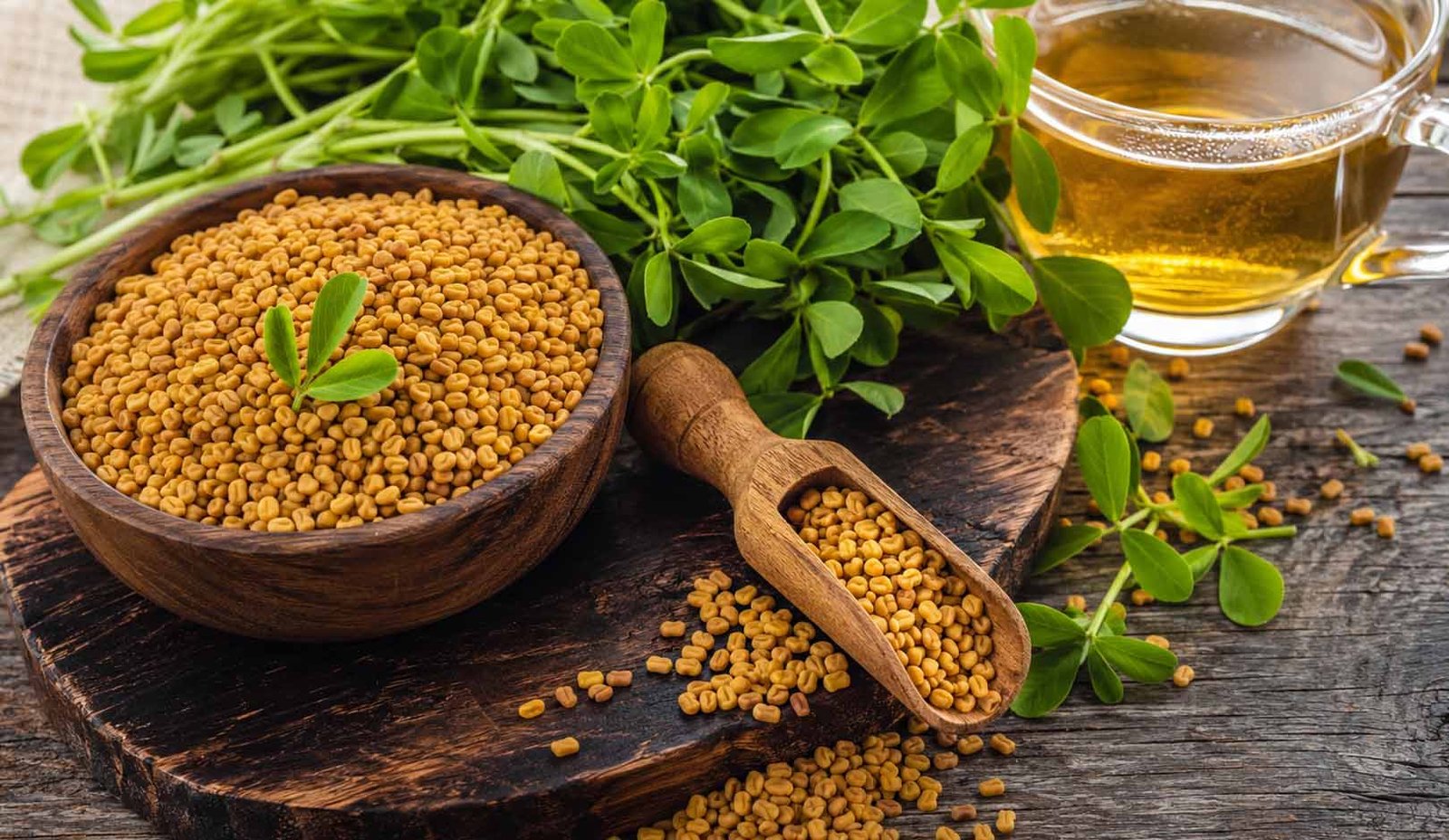
The most used part of foenegriek is its seeds. These seeds are small, hard, and yellow-brown in color. They have a slightly bitter taste, but when you roast them, they become more nutty and pleasant.
The leaves of foenegriek are also very useful. People use fresh or dried leaves in cooking, especially in dishes like curries and breads. In many homes, both the seeds and leaves are part of daily meals.
Today, foenegriek is popular all over the world. Some people use it for cooking, while others use it for health reasons. This makes it both a food ingredient and a natural support for the body.
Where Does Foenegriek Come From?
Foenegriek comes from very old regions of the world. It is native to the Mediterranean area, South Asia, and North Africa. These places have used it for food and healing for many years.
In countries like India, it is still a common part of everyday cooking. In North Africa and the Middle East, it is also used in traditional dishes. Over time, it spread to Europe and other parts of the world.
Today, foenegriek is grown in many countries. Farmers grow it because there is high demand for its seeds and leaves. It is easy to grow and useful in many ways.
Because of this, foenegriek is now a global herb. You can find it in local markets, online stores, and even in health products around the world.
How Does Foenegriek Look?
Foenegriek is a small plant, but it has a clear and simple look. It usually grows between 60 to 90 centimeters tall. The plant has soft green leaves that grow in small groups of three.
The plant also produces small flowers. These flowers are usually white or light yellow in color. After some time, the flowers turn into thin pods.
Inside these pods, there are small seeds. Each pod can hold around 10 to 20 seeds. These seeds are hard and slightly shiny. They are the most used part of the plant.
People mostly use the seeds, but the leaves are also important. Fresh leaves are used in cooking, while dried leaves are used for flavor and aroma.
Why Has Foenegriek Been Used for So Long?
Foenegriek has a very long history. It has been used for thousands of years in different cultures. People trusted it not only for food but also for health.
In Ancient Egypt, foenegriek was used in special rituals. It was even used in the process of preserving bodies. This shows how important it was in their culture.
In Ancient Greece and Rome, doctors used foenegriek to help with breathing and digestion. They believed it could support the body in natural ways.
In Ayurveda and Traditional Chinese Medicine, foenegriek is still used today. It is seen as a warming herb that helps balance the body and improve overall health.
What Is Inside Foenegriek?
Foenegriek is not just a spice. It is full of nutrients that help the body in many ways. This is one reason why people have used it for so long.
First, it is rich in fiber. Fiber helps the stomach work better and keeps digestion smooth. It can also help you feel full for a longer time.
It also contains protein and amino acids. These help the body grow and repair itself. This is useful for muscles and overall strength.
Foenegriek also has important vitamins like Vitamin A, Vitamin C, and B vitamins. These vitamins help support the immune system and overall health.
In addition, it contains minerals like iron, magnesium, manganese, and copper. These are important for blood, bones, and energy levels.
It also has natural plant compounds like saponins and flavonoids. These are known for their health-supporting effects in the body.
Foenegriek Benefits for Digestion
One of the most common uses of foenegriek is for digestion. Many people use it to support their stomach and gut health.
The seeds are rich in soluble fiber. This type of fiber helps soften stool and makes it easier to pass. This can help people who deal with constipation.
Foenegriek may also help reduce bloating and discomfort. Some people drink foenegriek tea after meals to feel more relaxed and comfortable.
It may also help with acid reflux. The fiber and natural compounds can support a calm and balanced stomach.
Because of these benefits, foenegriek has been used in traditional medicine for many years as a natural way to support digestion.
Foenegriek and Blood Sugar
Foenegriek is also known for helping with blood sugar control. This is one of the most studied benefits of this herb.
The seeds contain a special compound called 4-hydroxyisoleucine. This compound may help the body use insulin better. Insulin is important for controlling blood sugar levels.
Some studies have shown that foenegriek may help people with type 2 diabetes. It may improve insulin sensitivity and support better sugar balance.
Because of this, many people add foenegriek to their daily routine. Some use the seeds, while others use powder or supplements.
However, it is important to be careful. People who already take medicine for diabetes should check their sugar levels regularly when using foenegriek.
Foenegriek Benefits for Heart Health
Foenegriek may also support heart health. Many people use it as part of a healthy lifestyle to care for their heart.
Studies suggest that foenegriek may help lower bad cholesterol (LDL). It may also reduce triglycerides, which are fats in the blood.
At the same time, it may help increase good cholesterol (HDL). This balance is important for keeping the heart healthy.
Foenegriek also contains antioxidants. These help protect the body from damage and support overall health.
Because of these effects, foenegriek is often seen as a helpful natural option for supporting heart health.
Foenegriek for Women and Men
Foenegriek has been used for both women and men for many years. It is known for its possible effects on hormones and body balance.
For women, it is often used to support breastfeeding. It is called a galactagogue, which means it may help increase milk production. Many mothers use it as a natural option.
It may also support hormonal balance in women. This is why it is used in some traditional practices.
For men, some people believe foenegriek may help improve energy and vitality. Some supplements also claim it may support testosterone levels.
However, it is important to remember that more research is still needed. While many people use it, results can be different for each person.
Foenegriek for Hair, Skin, and Weight Goals
Foenegriek is often used for hair care at home. Many people soak the seeds and make a soft paste. They apply it to the scalp to help make hair feel stronger and smoother. It is also used to help reduce dandruff.
Some people say foenegriek helps reduce hair fall. The natural nutrients in the seeds can support healthy hair roots. Many hair oils and masks today include foenegriek as a key ingredient for better hair care.
For skin, foenegriek is used in simple face masks. People mix the powder with water or yogurt and apply it gently. It may help calm the skin and reduce small spots or dryness over time.
Foenegriek also has fiber, which helps you feel full. This can help people who are trying to manage their weight. It does not work like magic, but it can support a healthy eating routine.
How People Use Foenegriek in Food
Foenegriek is very popular in cooking, especially in Indian food. The seeds are often roasted before use. This helps reduce the bitter taste and brings out a warm, nutty flavor.
In dishes like curry, dal methi, and methi paratha, foenegriek adds a special taste. The leaves are also used fresh or dried to give a rich smell and flavor to food.
In Middle Eastern and African cooking, foenegriek is also used in sauces and stews. In places like Yemen and Ethiopia, people grind the seeds into pastes.
In Europe, including the Netherlands, foenegriek is sometimes added to bread, cheese, and tea. This shows how this small seed is used in many different ways around the world.
Easy Ways to Use Foenegriek Every Day
You can use foenegriek in many simple ways at home. One easy way is to add a small amount of roasted seeds to your meals. This works well in soups, curries, and even rice dishes.
Another simple way is to use foenegriek powder. You can mix it into smoothies or warm water. Some people take it daily as a small health boost.
You can also make foenegriek tea. Just crush the seeds and boil them in water. This tea is often used after meals to help with digestion.
Some people like to sprout foenegriek seeds. Sprouts can be added to salads or sandwiches. They are fresh, healthy, and easy to make at home.
Are There Any Side Effects?
Foenegriek is natural, but it can still cause some side effects in some people. Most side effects are mild and do not last long.
Some people may feel slight stomach upset. This can include gas or a heavy feeling in the stomach. It usually happens if you take too much at once.
One very interesting side effect is a sweet smell in sweat or urine. It may smell like maple syrup. This is harmless but can surprise people who are not aware of it.
In rare cases, some people may have an allergy. If you notice itching, swelling, or discomfort, it is best to stop using it and speak to a doctor.
Who Should Be Careful with Foenegriek?
Some people should be more careful when using foenegriek. Pregnant women should avoid high amounts. It may affect the body in ways that are not safe during pregnancy.
People with diabetes should also be careful. Foenegriek can lower blood sugar levels. If you already take medicine, it is important to check your levels regularly.
People who take blood-thinning medicine should also ask a doctor before using it. Foenegriek may affect how the blood flows in the body.
If you have any health condition or take regular medicine, it is always a good idea to ask a healthcare expert before adding foenegriek to your routine.
Final Thoughts
Foenegriek is a simple seed, but it has many uses. It is used in food, home remedies, and daily health routines. People have trusted it for many years, and it is still popular today.
It can help with digestion, blood sugar, and even hair care. It is also easy to add to your daily life in small ways. From tea to cooking, it fits into many routines.
At the same time, it is important to use foenegriek carefully. Not everyone should take it in large amounts. Listening to your body and using it in balance is always the best choice.
In the end, foenegriek is a helpful and natural option. When used the right way, it can be a simple part of a healthy and balanced lifestyle.
(FAQs)
What is foenegriek used for?
Foenegriek is used for cooking and health. People use it in food, tea, and natural remedies. It is popular for digestion, blood sugar, and general wellness support.
Can foenegriek help with weight loss?
Foenegriek may help you feel full because of its fiber. This can support weight control, but it is not a quick solution. A healthy diet and routine are still important.
Is foenegriek good for hair growth?
Many people use foenegriek in hair masks. It may help make hair feel stronger and reduce dandruff. Results can be different for each person.
How do you use foenegriek seeds?
You can roast them, boil them for tea, grind them into powder, or sprout them. Each method is simple and useful in daily life.
Can foenegriek help breastfeeding mothers?
Foenegriek is often used to support milk production. Many mothers use it, but it is best to ask a doctor before starting.
Is foenegriek safe every day?
In small amounts, it is usually safe for most people. But using too much can cause side effects. It is always better to use it in balance.
Don’t miss these:
Tumbons The Comfort Trend Changing Outdoor Living in 2026
Nahttypen Made Easy Learn the Best Seams for Every Fabric





 Biography6 months ago
 News6 months ago
 Blog3 months ago
 Biography6 months ago