Treating skin cancer may require the removal of affected tissue and an appropriate margin determined by the treating clinical team. Once the cancer has been addressed, some patients need reconstruction to help a wound heal, protect exposed structures or restore function. This can be especially important around the nose, eyelids, lips, ears and other areas where even a small defect may affect everyday activities. Reconstruction is part of a wider care pathway rather than a replacement for cancer treatment.
Anyone considering skin cancer reconstruction surgeon should first seek a qualified assessment of the underlying condition. The discussion should focus on genuine corrective or medical indications, rather than elective appearance enhancement alone.
Understanding the Specific Condition
The choice of reconstructive technique depends on the size and depth of the defect, its location, the condition of nearby tissue and the patient’s overall health. Some wounds can close directly; others may need a local flap, skin graft or a staged approach. The surgeon must consider function, wound healing and the need for further cancer-related treatment or surveillance.
An Illustrative Patient Scenario
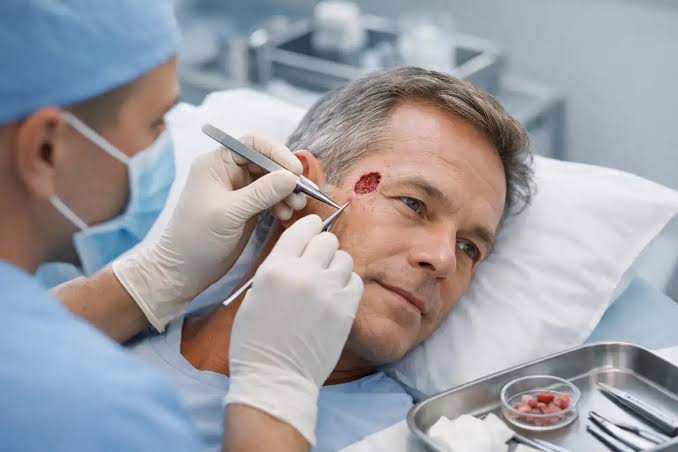
A patient has a skin cancer removed from an area near the eyelid. The treating team confirms the next steps for tumour management and asks a reconstructive specialist to assess the defect. The plan prioritises eyelid position and eye protection, while explaining that scarring and follow-up care are unavoidable considerations. The patient receives clear information about healing and ongoing surveillance.
Start With a Clinical Assessment
An appropriate assessment begins with the patient’s history, current symptoms and reasons for seeking help. The clinician should ask about previous treatment, relevant medical conditions and medicines that may affect healing. Examination helps identify the nature of the problem and whether a procedure is likely to provide a meaningful benefit. An online description alone cannot establish suitability for surgery.
Define the Treatment Goal
A useful plan states what the operation is intended to correct and which outcomes are uncertain. Reconstructive surgery may aim to protect tissue, improve function or address a genuine deformity. It should not be presented as a guarantee of perfect symmetry or invisible scars. Clear goals make it easier to compare options and understand whether the likely benefit justifies the risks.
Consider Non-Surgical Options
Some conditions can be managed with observation, wound care, rehabilitation or treatment of associated symptoms. The availability of alternatives depends on the diagnosis. Patients should ask whether waiting, conservative management or a different specialist assessment would be reasonable. Choosing not to have surgery can be an informed decision when the anticipated benefit is limited.
Understand the Proposed Technique
The surgeon should explain in plain language what tissue will be treated, where incisions may be placed and how the wound will be closed. Some operations involve reshaping existing tissue, while others require removal or movement of skin. The approach must reflect the specific anatomy and medical indication. A general procedure name does not fully describe an individual treatment plan.
Discuss Anaesthesia and Preparation
Procedures may be performed under local or general anaesthesia depending on their complexity and the patient’s circumstances. A clinical team should review medical history, allergies and medicines before deciding. Patients need clear instructions about eating, drinking and medication management where relevant. They should never stop prescribed treatment solely because of generic advice found online.
Know the Risks
Surgery carries potential complications including bleeding, infection, poor wound healing, scarring and changes in sensation. Particular procedures may have additional risks related to the structures involved. The likelihood and consequences vary by patient and technique. A meaningful consent discussion should address both common problems and less frequent but serious complications relevant to the operation.
Set Realistic Expectations
Healing is gradual, and swelling can temporarily affect appearance and comfort. Scars often change over months, but they do not disappear completely. Some patients need further assessment or additional treatment. Photographs of other patients cannot guarantee an individual outcome. Realistic expectations are especially important when a procedure addresses a visible part of the body.
Plan the Recovery Period
The length of recovery depends on the procedure, the patient’s health and the demands of everyday activities. Dressings, wound checks and restrictions on strenuous movement may be needed. Patients should ask who to contact if a dressing becomes displaced or symptoms worsen. Following the treating team’s instructions is more reliable than applying a generic recovery schedule.
Recognise Warning Signs
Increasing redness, worsening pain, fever, unexpected bleeding or a wound that begins to separate can require prompt clinical review. Sudden or severe symptoms may require urgent medical attention. Patients should receive specific instructions on when to contact their team and where to seek out-of-hours help. Early reporting can reduce the risk of complications becoming more serious.
Consider Individual Health Factors
Smoking, diabetes, poor circulation, nutritional problems and some medicines can affect wound healing. These issues should be discussed with the treating team without assuming they automatically prevent surgery. An individual risk assessment can identify practical steps before treatment. The balance between urgency and optimisation differs between elective reconstruction and cancer-related care.
Ask About Scars and Sensation
Every incision can leave a scar, and changes in skin sensation may occur around the treated area. The location, size and healing of scars depend on anatomy, technique and individual factors. A surgeon should explain the likely scar pattern before consent. Patients should be cautious about claims that an invasive operation will leave no visible evidence.
Understand Follow-Up
Postoperative review helps clinicians assess healing, remove sutures when appropriate and identify complications. Some patients require longer-term monitoring or rehabilitation. The schedule depends on the operation and the underlying condition. Before discharge, patients should know who is responsible for follow-up and how they will receive important results.
Choose a Qualified Specialist
Patients should check the clinician’s relevant training, professional registration and experience with the specific condition. It is reasonable to ask how frequently a procedure is performed and what happens if complications arise. A reputable consultation allows questions and does not pressure the patient into an immediate decision. The appropriate specialist may vary with the diagnosis.
Make Informed Consent Meaningful
Consent requires understanding the purpose, expected benefit, material risks and reasonable alternatives. The patient should have time to consider the information and raise concerns. Consent is not merely a signed form. If the proposed operation changes, the clinical team should explain why and revisit the decision as appropriate.
Coordinate With Other Care
Reconstructive treatment may involve other clinicians, such as dermatologists, oncologists, rehabilitation professionals or primary-care teams. Communication helps ensure that the underlying condition is managed alongside wound healing. Patients should know which team handles each part of care. Fragmented follow-up can create avoidable confusion and delays.
Balance Benefits and Burdens
A procedure can offer meaningful improvement yet still involve discomfort, downtime and uncertainty. The decision should consider how much the condition affects health or function, the likely degree of improvement and the person’s circumstances. A balanced consultation avoids minimising risks or exaggerating benefits. Patient preferences matter within the boundaries of sound clinical judgement.
Questions to Ask at Consultation
When learning about skin cancer reconstruction, ask why the procedure is being recommended, which alternatives are reasonable, what recovery involves and which complications are relevant. Patients should receive an individual explanation rather than relying on generic promotional claims.
Conclusion
The purpose of reconstruction is to support healing and preserve or restore function after necessary cancer treatment. Coordination between the treating teams and realistic follow-up plans are essential.





 Biography9 months ago

 Blog5 months ago

 News8 months ago

 Biography9 months ago