
Health
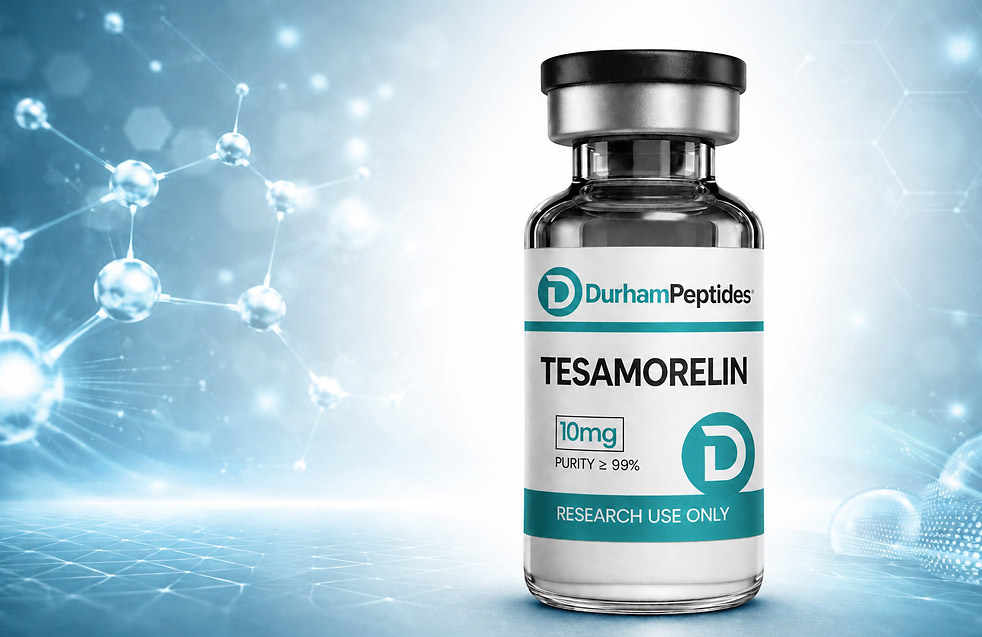
Tesamorelin: The GHRH Analogue Researchers Keep Studying


Health1 day ago
Skin Cancer Reconstruction: Restoring Function After Tumour Removal

Health4 days ago
Tesamorelin: The GHRH Analogue Researchers Keep Studying

Blog2 weeks ago
How to keep a week of work shirts sharp: 4 habits that beat the dry cleaner

Blog3 weeks ago
What Makes QILEE Containerized Wastewater Treatment Systems Highly Efficient?

Tech3 weeks ago
FastTurn PCBA Quick Turn Flex Circuits for Rapid Prototyping and Production

Tech4 weeks ago
Customs Clearance in the UK: Complete Importer Guide

Blog1 month ago
Online Quiz Maker For Students In Intensive Study Programs: Feedback To Highlight Key Concepts

Blog1 month ago
The OrcaRouter Model Catalogue: 200+ Models Behind One OpenAI-Compatible Key

Tech1 month ago
When Does a Tree Need Professional Attention?

Fashion2 months ago
Havrenn & Co. Brings the Rich Texture of Suede Back Into Focus
Tech4 weeks ago
Customs Clearance in the UK: Complete Importer Guide
Tech3 weeks ago
FastTurn PCBA Quick Turn Flex Circuits for Rapid Prototyping and Production
Blog3 weeks ago
What Makes QILEE Containerized Wastewater Treatment Systems Highly Efficient?
Blog2 weeks ago
How to keep a week of work shirts sharp: 4 habits that beat the dry cleaner
Health4 days ago
Tesamorelin: The GHRH Analogue Researchers Keep Studying
Health1 day ago
Skin Cancer Reconstruction: Restoring Function After Tumour Removal
Health1 day ago
Skin Cancer Reconstruction: Restoring Function After Tumour Removal
Health4 days ago
Tesamorelin: The GHRH Analogue Researchers Keep Studying
Blog2 weeks ago
How to keep a week of work shirts sharp: 4 habits that beat the dry cleaner
Blog3 weeks ago
What Makes QILEE Containerized Wastewater Treatment Systems Highly Efficient?
Tech3 weeks ago
FastTurn PCBA Quick Turn Flex Circuits for Rapid Prototyping and Production
Tech4 weeks ago
Customs Clearance in the UK: Complete Importer Guide
Blog1 month ago
Online Quiz Maker For Students In Intensive Study Programs: Feedback To Highlight Key Concepts
Blog1 month ago
The OrcaRouter Model Catalogue: 200+ Models Behind One OpenAI-Compatible Key
Tech1 month ago
When Does a Tree Need Professional Attention?
Fashion2 months ago
Havrenn & Co. Brings the Rich Texture of Suede Back Into Focus
-

 Biography9 months ago
The Emotional Journey of Joanne Schieble Simpson, Steve Jobs’ Biological Mother
-
 Blog5 months ago
What Is Sotwe? Everything You Need to Know Before Using It
-

 News8 months ago
Jamal Adeen Thomas – Everything You Should Know About Clarence Thomas’ Son
-

 Biography9 months ago
Meet Theo Ressler: Everything You Know About Jami Gertz’s son