Health
How Long Does Keloid Treatment Take to Show Results?
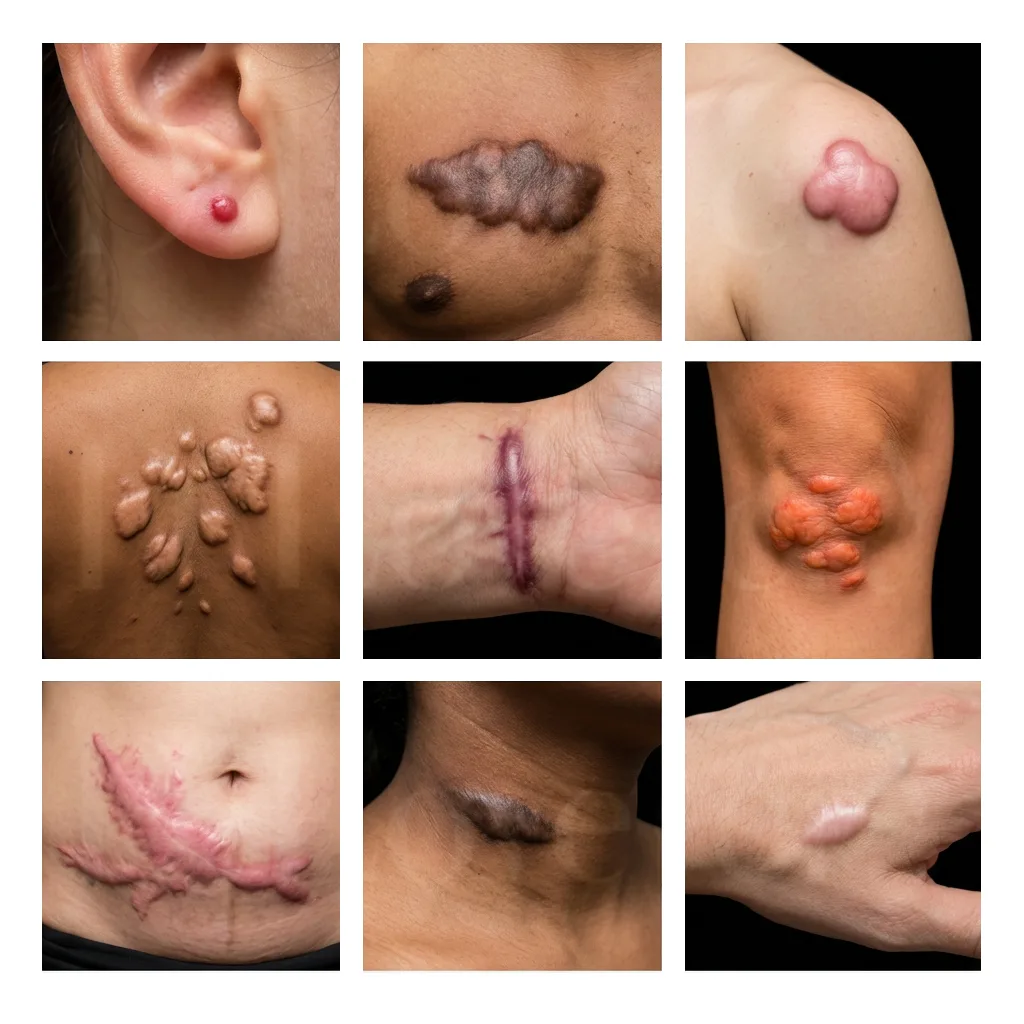
Scars heal at different speeds, and keloid treatment follows a timeline that varies from person to person. Visible improvement often depends on the type of treatment, the size of the scar, and how the skin responds.
Understanding what to expect helps patients stay patient throughout the process. Knowing the typical treatment timeline also makes it easier to recognise steady progress rather than expecting immediate changes.
What to Expect During the Early Stages of Keloid Treatment
Most keloid treatments improve scars gradually rather than producing immediate changes. Patients often ask whether the NHS can treat keloids, but the available treatment options and eligibility may depend on the severity of the scar and local NHS guidelines. Treatment plans are typically tailored to the scar’s size, location, symptoms, and previous treatment history.
- Initial Assessment:The scar is examined to determine its size, thickness, symptoms, and previous treatment history.
- Personalised Planning:Treatment is selected based on individual healing patterns rather than using a single approach for everyone.
- Gradual Improvement:Many patients notice changes developing over several weeks instead of after one appointment.
- Regular Monitoring:Follow up visits help assess progress and guide future treatment decisions.
- Treatment Adjustments:The treatment plan may change depending on how the scar responds over time.
- Long Term Management:Some keloids require ongoing care to reduce the likelihood of recurrence.
Why Treatment Timelines Differ Between Patients
No two keloids behave exactly alike. Several factors influence how quickly improvement becomes visible, making individual assessment an important part of successful treatment.
Larger Keloids Usually Need More Time
Small scars often respond sooner than larger ones because there is less abnormal tissue to manage. Scar size plays an important role when estimating treatment timelines.
A thick keloid that has developed over several years usually requires more appointments than a recently formed scar. Gradual improvement is often a realistic expectation.
The Type of Treatment Makes a Difference
Different treatments work in different ways, so visible improvement may develop at varying speeds. Treatment method influences both the timeline and the expected outcome.
Steroid injections, surgery, pressure therapy, and silicone products all have different goals. Some reduce symptoms first, while others focus on improving appearance.
Healing Differs From One Person to Another
Every person’s skin responds differently after treatment because healing is influenced by several biological factors. Individual healing remains difficult to predict with precision.
Two patients receiving the same treatment may experience different recovery times. Personal healing patterns often explain why progress varies between individuals.
Scar Location Can Affect Progress
Keloids located in areas that move frequently may take longer to settle after treatment. Skin movement continues to influence the healing process each day.
Scars on the chest, shoulders, or joints experience repeated stretching during normal activities. This may slow visible improvement compared with less mobile areas.
Consistent Follow Up Supports Better Results
Regular review appointments allow clinicians to monitor changes before problems develop. Ongoing assessment helps ensure treatment continues moving in the right direction.
Small adjustments made during follow up visits may improve long term outcomes. Monitoring also helps identify whether additional treatment sessions are appropriate.
Symptoms Often Improve Before Appearance
Many patients notice less itching or discomfort before seeing visible changes in the scar itself. Symptom relief can be an early sign that treatment is working.
Reduced irritation may occur weeks before significant flattening develops. Understanding this sequence helps patients maintain realistic expectations throughout treatment.
Factors That Can Influence Treatment Success
Visible improvement depends on more than the treatment itself. The way a scar heals, how closely aftercare is followed, and individual skin characteristics all contribute to the overall outcome.
1. Early Treatment Often Improves Planning
Seeking advice before a keloid becomes larger gives clinicians more options to manage it. Early intervention also makes it easier to monitor changes from the beginning.
For example, a newly developing ear keloid may respond differently from a scar that has continued growing for several years without treatment.
2. Following Aftercare Makes a Difference
Aftercare instructions are designed to support healing between appointments. Consistent aftercare helps reduce unnecessary irritation while the treated area continues recovering.
Missing follow up visits or stopping recommended care too early may affect progress. Following professional advice gives the skin the best opportunity to heal steadily.
3. Some Keloids Need More Than One Treatment
A single treatment method is not always enough to achieve the desired outcome. Combination therapy is commonly considered for larger or recurring keloids.
For instance, surgery may be combined with steroid injections or pressure therapy. Each treatment supports a different stage of scar management.
4. Existing Health Conditions Can Influence Healing
General health also affects how the body repairs damaged tissue after treatment. Overall wellbeing plays an important role throughout the healing process.
Conditions affecting circulation or immune function may alter recovery times. Clinicians approved by CQC consider medical history when planning individual treatment schedules.
5. Patience Leads to Better Expectations
Many patients hope for immediate improvement after their first appointment. Realistic expectations help reduce disappointment while the scar continues responding to treatment.
Photographs taken over several months often reveal gradual changes that are difficult to notice from day to day. Small improvements usually become clearer over time.
6. Communication Supports Better Decisions
Open discussion allows patients to understand how treatment is progressing at every stage. Regular communication helps build confidence throughout the treatment journey.
Sharing concerns about symptoms, healing, or expectations allows clinicians to adjust the treatment plan whenever appropriate.
Making the Most of Your Treatment Journey
Keloid treatment works best when patients understand that progress is measured over time rather than after a single appointment. Staying engaged throughout the process helps support better long term outcomes.
- Attend Every Follow Up:Regular reviews help clinicians monitor healing and identify changes as early as possible.
- Protect the Treated Area:Avoid unnecessary friction or pressure while the scar continues healing.
- Follow Aftercare Advice:Use prescribed products and follow recommendations exactly as instructed.
- Monitor Changes:Keep photographs or notes to compare gradual improvements over several months.
- Report New Symptoms:Tell your clinician if the scar becomes more painful, itchy, or starts growing again.
- Be Patient:Most meaningful improvements develop gradually rather than immediately.
- Keep Realistic Expectations:Every scar responds differently, so treatment timelines naturally vary between individuals.
Conclusion
Keloid treatment is a gradual process that depends on the scar, the treatment method, and your body’s natural healing response. Staying patient, following aftercare advice, and attending regular reviews help you understand your progress and make informed decisions throughout your treatment journey.
-
Biography4 months agoThe Emotional Journey of Joanne Schieble Simpson, Steve Jobs’ Biological Mother
-

News4 months agoJamal Adeen Thomas – Everything You Should Know About Clarence Thomas’ Son
-

Biography4 months agoMeet Theo Ressler: Everything You Know About Jami Gertz’s son
-
Blog1 month agoWhat Is Sotwe? Everything You Need to Know Before Using It